Skip to content
Focal & Frame

Cameras · Mirrorless Cameras

The Best Alternatives to the Sony a6400

The a6400 earned its reputation and still holds it. These are the six cameras in our rankings that beat it on a specific thing - burst speed, stabilization, a screen that faces you, or price - and what each one costs you in return.

By Stephen V.Updated How we research
#ad

We earn a commission when you buy through our Amazon links, at no extra cost to you. It never decides our rankings — we say so when the cheaper pick is the better buy. How this works.

Canon Canon EOS R10

Our #1 pick

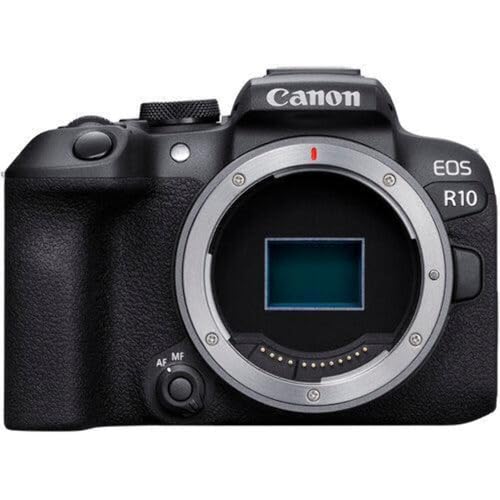
Canon EOS R10

The fast one. If you shoot kids, pets or sport, the R10's burst speed and tracking punch well above its price.

Don't buy it if you mainly shoot static subjects and video. You'd be paying for burst speed you won't use — the R50 covers everything else for less.

#ad · Live Amazon price as of November 21, 2026. No verified price → we show none.

The strongest alternative to a Sony a6400 is the Canon EOS R10. It matches the a6400 on sensor resolution and viewfinder, then beats it on the two things people most often leave the a6400 over: burst speed — up to 23fps with the electronic shutter against the a6400's 11fps — and a fully articulating screen that faces forward instead of only tilting up. If what you want is the a6400 with the missing pieces added, that is the Sony a6700: in-body stabilization, AI subject recognition and a screen that flips out, on the same lens mount. Our budget pick is the Canon EOS R100, which is the cheapest way into a real interchangeable-lens camera and honest about what it gives up. Prices come from the live price layer with an "as of" date; where there is no verified price, we show none.

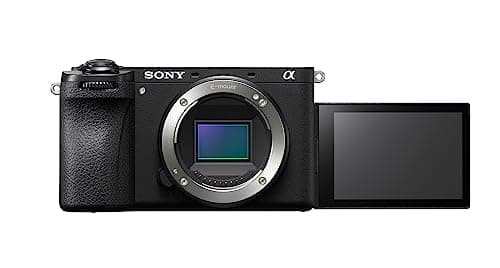
First, what the a6400 is actually known for, because it is not a camera anyone needs to be talked out of. Sony published a 24.2MP APS-C sensor, 4K30 video and real-time tracking with eye autofocus that was genuinely ahead of the field when it launched and is still competitive years later. DPReview's specification table records an environmentally sealed body at 403g, a 2.36M-dot viewfinder with 100% coverage and a 410-shot CIPA battery rating. That is a small, weather-sealed, long-lasting camera with professional-grade subject tracking and the deepest affordable lens catalog in the industry behind it. Our Sony a6400 review goes through all of it, and it still wins several of our category pages on the strength of that autofocus.

So why do people search for something else? Three honest reasons, and they are all structural rather than matters of taste. The screen tilts up but does not articulate out, so a shotgun microphone or a tripod head blocks your view of yourself — a daily problem if you film yourself. There is no in-body stabilization, so handheld video depends on the lens or a gimbal. And the menus are dated and dense. Each camera below fixes at least one of those, and each one charges you something for it. The table further down states the trade in a single line per camera.

The short answer

Quick picks

#ProductBest forScorePrice
01
Canon Canon EOS R10
Canon EOS R10

The fast one. If you shoot kids, pets or sport, the R10's burst speed and tracking punch well above its price.

Action, sport and pets
8.2
$1,099.00Amazon
02
Sony Sony a6700
Sony a6700

Sony's flagship APS-C body finally adds in-body stabilization and AI-driven autofocus to the crop line — the a6400 grown up, at a step-up price.

The step-up APS-C Sony
8.6
$1,498.00Amazon
03
Fujifilm Fujifilm X-M5
Fujifilm X-M5

A tiny, cheap creator camera with Fujifilm's colors and surprisingly serious video for the money.

Style-conscious budget creators
7.8
$899.00Amazon
04
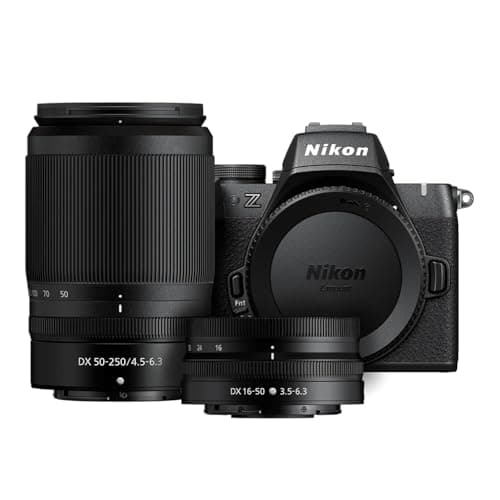
Nikon Nikon Z50 II
Nikon Z50 II

Flagship-grade autofocus in a beginner body — the Z50 II borrows the EXPEED 7 brain from Nikon's flagship cameras.

The best autofocus for the money
8.6
$1,346.95Amazon
05
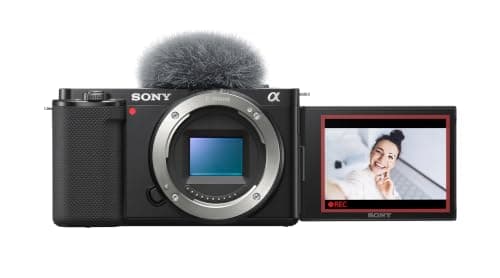
Sony Sony ZV-E10
Sony ZV-E10

The safe first camera if you shoot mostly video — flip-out screen, clean autofocus, and the cheapest lens system to grow into.

Video-first beginners
8.0
$698.00Amazon
06
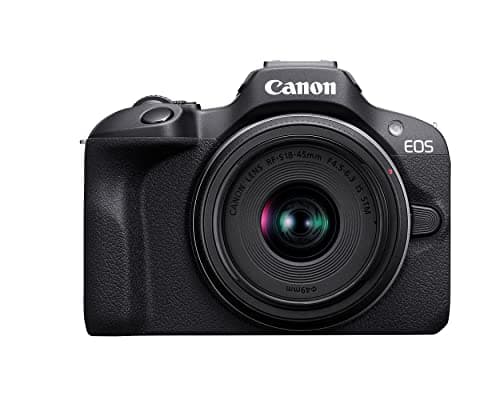
Canon Canon EOS R100
Canon EOS R100

The cheapest way into a real interchangeable-lens camera — and honest about what it gives up to get there.

The lowest price of entry
6.4
Check price →

#ad · Live prices from the Amazon Product API, as of November 21, 2026. Where we have no verified live price, we show none — we would rather leave a gap than print a number that has rotted.

In detail

The picks, in full

01
Canon Canon EOS R10

Action, sport and pets

Canon EOS R10

24MP APS-C15fps mechanical / 23fps electronicUncropped 4K30EVF + articulating screen
8.2/10

The fast one. If you shoot kids, pets or sport, the R10's burst speed and tracking punch well above its price.

Image quality
8
Autofocus
9
Video
8
Handling
8
Value
8

Pros

  • Burst speeds (up to 23fps electronic) that used to cost three times as much — it nails moving subjects
  • Same excellent Dual Pixel AF II and subject tracking as its pricier RF siblings
  • Uncropped 4K30 oversampled from 6K, plus a cropped 4K60 for slow motion

Cons

  • No in-body stabilization, so handheld video leans on the lens or a gimbal
  • Shares the R50's thin native RF-S lens problem

Don't buy this if…

…you mainly shoot static subjects and video. You'd be paying for burst speed you won't use — the R50 covers everything else for less.

$1,099.00View on Amazon

Price as of November 21, 2026. Prices change — Amazon's is the one that counts.

#ad · we may earn a commission from this link to Canon EOS R10

02
Sony Sony a6700

The step-up APS-C Sony

Sony a6700

26MP APS-C sensorIn-body 5-axis stabilization4K60 oversampled videoAI-based subject autofocusSony E mount (APS-C)
8.6/10

Sony's flagship APS-C body finally adds in-body stabilization and AI-driven autofocus to the crop line — the a6400 grown up, at a step-up price.

Image quality
9
Autofocus
10
Video
9
Handling
8
Value
7

Pros

  • AI-based subject recognition tracks people, animals and birds with a tenacity that outclasses every cheaper body in this class
  • In-body 5-axis stabilization steadies handheld stills and smooths walking video — the piece the a6400 never had
  • A fully articulating screen and a modernized menu fix the two things owners complained about most on older Sony APS-C bodies

Cons

  • Costs meaningfully more than the a6400 and the entry-level bodies — this is the premium APS-C option, not a budget pick
  • The deep, enthusiast-grade feature set is more camera than an absolute first-timer needs on day one

Don't buy this if…

…you are a first-time buyer on a tight budget, or you shoot mostly stills in good light. Much of what you pay for — IBIS, 4K60, AI tracking — goes untouched at that level, and the a6400 covers the basics for far less.

$1,498.00View on Amazon

Price as of November 21, 2026. Prices change — Amazon's is the one that counts.

#ad · we may earn a commission from this link to Sony a6700

03
Fujifilm Fujifilm X-M5

Style-conscious budget creators

Fujifilm X-M5

26MP APS-C6K open-gate / 4KFilm simulations dialNo IBIS / no EVF
7.8/10

A tiny, cheap creator camera with Fujifilm's colors and surprisingly serious video for the money.

Image quality
8
Autofocus
8
Video
8
Handling
7
Value
8

Pros

  • Fujifilm's film simulations plus a dedicated dial make lovely color effortless — no editing required
  • Punches above its price on video, including 6K open-gate capture and a proper vlogging flip screen
  • Genuinely pocketable and one of the best-value routes into the Fujifilm X system

Cons

  • No in-body stabilization and no viewfinder
  • Small grip and battery — it's a camera you accessorize for a long shoot

Don't buy this if…

…you need stabilized handheld video or a viewfinder. The X-M5 trims both to hit its size and price; the X-S20 adds IBIS and an EVF if you want them.

$899.00View on Amazon

Price as of November 21, 2026. Prices change — Amazon's is the one that counts.

#ad · we may earn a commission from this link to Fujifilm X-M5

04
Nikon Nikon Z50 II

The best autofocus for the money

Nikon Z50 II

21MP APS-CEXPEED 7 processorUncropped 4K30Deep grip + EVF
8.6/10

Flagship-grade autofocus in a beginner body — the Z50 II borrows the EXPEED 7 brain from Nikon's flagship cameras.

Image quality
8
Autofocus
10
Video
8
Handling
9
Value
8

Pros

  • The EXPEED 7 processor brings subject-detection autofocus straight from the Z8/Z9 — genuinely a class above at this price
  • The chunkiest, most confident grip of any camera here; it feels like a bigger camera than it is
  • Bright, large viewfinder and a dedicated Picture Control button for quick color looks

Cons

  • 21MP is the lowest resolution in this group — fine for almost everyone, but less cropping room than the 24–26MP rivals
  • Nikon's Z DX native lens lineup is small, though FTZ-adapted F-mount glass fills the gap cheaply

Don't buy this if…

…you want the deepest choice of tiny, cheap native lenses. Nikon's Z DX range is the thinnest of the big four; you'll lean on adapters sooner.

$1,346.95View on Amazon

Price as of November 21, 2026. Prices change — Amazon's is the one that counts.

#ad · we may earn a commission from this link to Nikon Z50 II

05
Sony Sony ZV-E10

Video-first beginners

Sony ZV-E10

24MP APS-C4K30 (with crop)Fully articulating screenSony E-mount
8.0/10

The safe first camera if you shoot mostly video — flip-out screen, clean autofocus, and the cheapest lens system to grow into.

Image quality
8
Autofocus
9
Video
7
Handling
7
Value
9

Pros

  • Fully articulating screen and a dedicated background-defocus button make it genuinely built for talking to the lens
  • Sony's real-time eye autofocus is the best in this price class and holds your face while you move
  • The E-mount has more affordable third-party lenses (Sigma, Viltrox, Tamron) than any rival system

Cons

  • No electronic viewfinder, so bright-daylight stills are a squint
  • 4K is taken from a cropped, downsampled region and rolling shutter (jello on fast pans) is noticeable

Don't buy this if…

…you shoot a lot of stills outdoors or want to learn with a viewfinder. The missing EVF is the one thing you can't add later — the Canon R50 gives you one for similar money.

$698.00View on Amazon

$799.9913% off

Price as of November 21, 2026. Prices change — Amazon's is the one that counts.

#ad · we may earn a commission from this link to Sony ZV-E10

06
Canon Canon EOS R100

The lowest price of entry

Canon EOS R100

24MP APS-C4K24 (cropped)Fixed screenCanon RF-mount
6.4/10

The cheapest way into a real interchangeable-lens camera — and honest about what it gives up to get there.

Image quality
7
Autofocus
6
Video
5
Handling
6
Value
8

Pros

  • Usually the least expensive new mirrorless body with a kit lens — a genuine on-ramp
  • The 24MP sensor and viewfinder take lovely stills in good light, same as pricier Canons
  • Small, light and dead simple to point and shoot

Cons

  • The screen is fixed — it doesn't tilt or flip, which rules it out for filming yourself
  • 4K is cropped and uses slower contrast-detect AF; smooth eye tracking is limited to 1080p

Don't buy this if…

…you want to vlog or shoot serious 4K. The fixed screen and cropped, slow-focusing 4K are exactly the corners cut to hit the price. Stretch to the R50 if video matters at all.

Check price on Amazon →

No buyable offer at the last price check (November 21, 2026). We show nothing rather than a stale number.

#ad · we may earn a commission from this link to Canon EOS R100

How each alternative matches up

AlternativeMatches the a6400 onBeats the a6400 onGives up
Canon EOS R1024MP APS-C, viewfinder, 2.36M-dot 100% EVFBurst speed (up to 23fps electronic), a fully articulating screen, uncropped 4K30 oversampled from 6KWeather sealing, and the breadth of the lens catalog
Sony a6700Same E mount, same sealed build, same lens catalogIn-body 5-axis stabilization, AI subject autofocus, 4K60, a 570-shot battery rating and an articulating screenPrice - it is the premium APS-C Sony, not a like-for-like swap
Fujifilm X-M5APS-C sensor, interchangeable lenses, compact size26MP, 6K open-gate capture, a film-simulation dial, a fully articulating screen - and it costs lessThe viewfinder, weather sealing, and autofocus tracking
Nikon Z50 IIAPS-C sensor, sealed body, viewfinder with 100% coverageEXPEED 7 subject-detection autofocus, the deepest grip here, uncropped 4K30Resolution (20.9MP), battery rating (250 shots), weight (550g), and native lens choice
Sony ZV-E1024MP APS-C, the same E mount and lens catalogA fully articulating screen plus a headphone jack - and it costs lessThe viewfinder, weather sealing, and uncropped 4K
Canon EOS R10024MP APS-C, interchangeable lenses, a viewfinderNothing on specification - it is here because it is much cheaperA moving screen entirely, uncropped 4K, and fast autofocus above 1080p

What we weighed, and in what order

An alternatives page is only useful if it says what "better" means. We ranked these six on how completely each one answers a real reason for leaving the a6400, then on what it takes back.

  1. Does it fix the screen? The single most-cited a6400 complaint. A fully articulating screen swings out to the side and rotates forward, so it clears a hot-shoe microphone; a tilting screen does not.
  2. Does it fix stabilization? Only one camera here has in-body stabilization. Everything else leaves you with optical stabilization in the lens, a digital mode that crops, or a gimbal.
  3. Does it keep the autofocus standard? Real-time tracking is the reason to own an a6400 in the first place. An alternative that focuses worse is not an alternative, it is a downgrade, and we say so where it applies.
  4. What does it cost, live? Three of these cost less than the a6400 and three cost more, and the live numbers above are the ones to judge by — not launch prices.

If you shoot anything that moves: the Canon EOS R10

The R10 is the closest thing to a straight swap and it wins on the two complaints at once. Its burst speed is in a different class — Canon rates it at 15fps mechanical and up to 23fps electronic, against 11fps on the a6400 — and it pairs that with Dual Pixel CMOS AF II subject tracking inherited from much pricier RF bodies. If you photograph children, dogs or sport, that is not a specification, it is the difference between keeping the frame and missing it. Its 4K30 is uncropped and oversampled from 6K, where the a6400's 4K uses a simpler readout, and the screen articulates fully.

The honest cons: DPReview's specification table lists the R10 as not environmentally sealed, where the a6400 is, so it is the weaker choice for rain and dust. It has no in-body stabilization either, so you have not solved that problem by switching. And the native RF-S lens range is much thinner than E-mount's — the thing you are really giving up is choice, which matters more over five years than any spec on this page. The detail is in our Canon EOS R10 review, and against Sony's step-up body in Canon R10 vs Sony a6700.

If you want the a6400 with the gaps filled: the Sony a6700

This is the alternative that changes nothing you liked. Same mount, same lens catalog, same sealed build, and then every a6400 limitation addressed in turn: in-body 5-axis stabilization, a fully articulating screen, AI-based subject recognition that holds people, animals and birds far more tenaciously, 4K60 oversampled video, a modernized menu, and a 570-shot CIPA rating against the a6400's 410. If you have read this far because the a6400 is nearly right, this is the camera.

What it costs you is money, and a fair amount of it — this is the premium APS-C Sony, not a sideways move, and much of what you pay for goes untouched if you shoot stills in good light. It is also heavier, at 493g against 403g. The two are separated spec by spec in Sony a6400 vs a6700, and the a6700 has its own review here.

If you want to spend less: the Fujifilm X-M5 and the Sony ZV-E10

"Cheaper alternative to the a6400" is one of the most common versions of this search, so here is the direct answer: two cameras in our rankings undercut it while still being real alternatives rather than compromises.

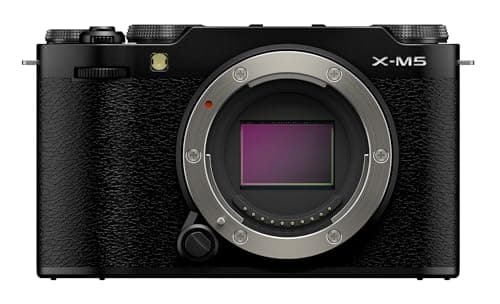
The Fujifilm X-M5is the more interesting of the two. It has a higher- resolution 26MP APS-C sensor, captures 6K open-gate for people who pull a vertical crop out of a horizontal frame, has a fully articulating screen, and puts Fujifilm's film simulations on a dedicated dial so the color arrives finished. What it does not have is a viewfinder, in-body stabilization, weather sealing, or autofocus tracking as reliable as Sony's — and that last point is the one to sit with, because tracking is the a6400's whole reputation. Our Fujifilm X-M5 reviewis the longer version, and the a6400 against Fujifilm's stabilized body is in Fujifilm X-S20 vs Sony a6400.

The Sony ZV-E10 is the lateral move: the same 24MP APS-C class and the exact same lens mount, with the screen problem solved — it articulates fully — plus a headphone jack the a6400 does not have, for less money. The catch is that it is a video-first body: no viewfinder at all, no weather sealing, and its 4K30 comes from a cropped region with noticeable rolling shutter. For filming yourself it is the better tool; for photographing in bright sun without an EVF it is worse. The head-to-head is Sony ZV-E10 vs a6400, and the same question asked from the other direction is alternatives to the Sony ZV-E10.

If you would switch brands for autofocus: the Nikon Z50 II

The Z50 II is the one genuine answer to "which camera focuses as well as a Sony?", because Nikon put the EXPEED 7 processor from its flagship Z8 and Z9 into a beginner body. The subject-detection autofocus that comes with it is a class above its price. It also has the deepest, most confident grip of any camera on this page, a large bright viewfinder with 100% coverage, uncropped 4K30, and a Picture Control button for quick color looks. The body is environmentally sealed, like the a6400.

The trades are real and worth knowing before you commit: at 20.9MP it is the lowest resolution here, so you have less cropping room; DPReview's table puts its CIPA battery rating at 250 shots against the a6400's 410, and its weight at 550g against 403g. Nikon's native Z DX lens range is also the thinnest of the four systems, though adapted F-mount glass fills the gap cheaply. The full picture is in our Nikon Z50 II review.

The budget pick, stated plainly: the Canon EOS R100

The R100 is on this page for one reason: it is usually the least expensive new mirrorless body you can buy with a kit lens, and for someone who was looking at an a6400 and has decided it is too much money, that is the honest option rather than a used gamble. It has the same 24MP APS-C sensor class, a viewfinder, and Canon's RF mount to grow into.

Be clear-eyed about the corners cut. The screen is fixed — it does not tilt or flip at all, so it is the wrong camera for filming yourself, and in that respect it is worse than the a6400, not better. Its 4K is cropped and uses slower contrast-detect autofocus, with smooth eye tracking limited to 1080p. It is a stills camera for good light at a low price, and within that job it is genuinely good — see the Canon EOS R100 review.

Two cameras people ask about that we are not ranking

The Canon EOS R50 is the most obvious missing name, and we are leaving it off deliberately: at our last live price check its listing carried no verified price, and we do not rank a camera we cannot quote an honest number for. If that changes it belongs on this page, because on specification it is a strong a6400 alternative. The Sony a6100 is the other, and it is in the same position — the listing we track returned nothing at all. Both are named here rather than quietly omitted, because a reader comparing a6400 alternatives would reasonably assume we had forgotten them.

What we would actually do

If you already own E-mount lenses, do not switch systems over a screen hinge. Either step up to the a6700 or add the ZV-E10 as a second body — selling glass to change brands costs more than either. If you own nothing yet and shoot action, the R10. If you own nothing and want the color handed to you, the X-M5. If autofocus is the only thing you care about and you are brand-neutral, the Z50 II deserves the look.

And if the a6400 is still the camera you want, buy it — it wins our best cameras for portraits and best for travel pages on merit. Spend the saved money on glass instead: the lenses that suit it are ranked in best lenses for the Sony a6400, the step up from kit glass is in best lens under $1,000, and if your real use is filming yourself, the video-first field at this budget is ranked in best vlogging cameras under $1,000.
How we picked

We do not run a testing lab

We compiled the manufacturers' published specifications and manuals, did the cost math, and scored each product against a published rubric. The scores are judgments from that documented research — they are notmeasurements we took, because we do not have a lab and we are not going to pretend we do. Where a number came from someone else's testing, we name and link them in Sources.

Questions

Frequently asked

What is the best alternative to the Sony a6400?
The Canon EOS R10. It matches the a6400's 24MP APS-C sensor and viewfinder, then beats it where the a6400 is weakest: up to 23fps electronic burst shooting against 11fps, a fully articulating screen, and uncropped 4K30 oversampled from 6K. What you give up is weather sealing, which the a6400 has and the R10 does not, and the far deeper E-mount lens catalog.
Is there a cheaper alternative to the a6400?
Yes - two in our rankings. The Sony ZV-E10 uses the same mount and sensor class and adds a fully articulating screen and a headphone jack, but drops the viewfinder. The Fujifilm X-M5 is higher resolution with 6K open-gate video and film simulations, but has no viewfinder, no stabilization and weaker tracking. The cheapest option of all is the Canon EOS R100, with a fixed screen as the price of entry.
Is the a6400 still worth buying?
For a stills-first shooter who wants a small sealed body with a viewfinder and excellent subject tracking, yes. Sony's real-time tracking has aged remarkably well, the body is 403g and environmentally sealed with a 410-shot battery rating, and the E-mount catalog is the cheapest place to buy good lenses. The reasons to look elsewhere are the tilt-only screen, the absence of in-body stabilization and the dated menus - not image quality.
What is the Canon equivalent of the Sony a6400?
The closest Canon in our rankings is the EOS R10, which sits in the same class with a 24MP APS-C sensor and a 2.36M-dot viewfinder and shoots much faster bursts. The Canon EOS R50 is the closer match on price and size, but at our last live price check it carried no verified price, so we are not ranking it here. Canon's cheapest route in is the R100, which trades away the moving screen entirely.
Which a6400 alternative has in-body stabilization?
Only the Sony a6700 on this page. In-body 5-axis stabilization is the single biggest structural difference between it and the a6400, and it is why handheld video and slow-shutter stills behave differently on the two cameras. Among cameras we rank elsewhere, the Fujifilm X-S20 is the other stabilized APS-C body - see Fujifilm X-S20 vs Sony a6400. Everywhere else, the cheaper fix is a gimbal.
Should I switch systems if I already own Sony lenses?
Usually not. Selling a set of lenses to change brands loses real money on every item, and the gap between any two of these bodies is smaller than the gap between a kit lens and a good prime. If you own E-mount glass, the rational moves are to step up to the a6700, add a ZV-E10 as a second body, or keep the a6400 and buy a better lens.

Keep reading

Receipts

Sources

We do not run a testing lab, and we do not pretend to. Specs come from manufacturer sheets and manuals; where a figure came from someone else's measurement, we name and link them. Where we could not verify something, we say so on the page rather than quietly leaving it out. Read our full method.