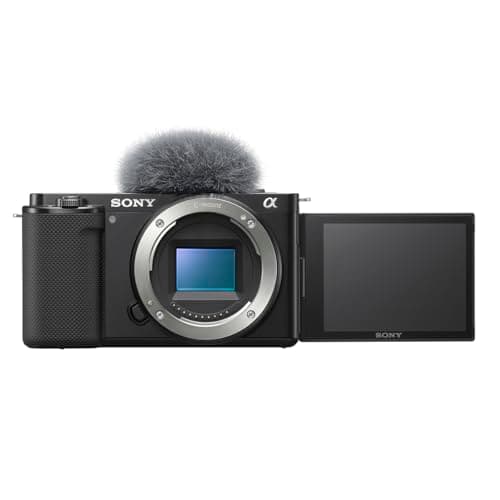
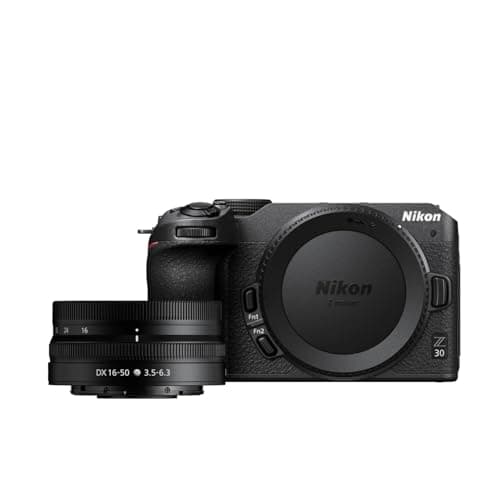
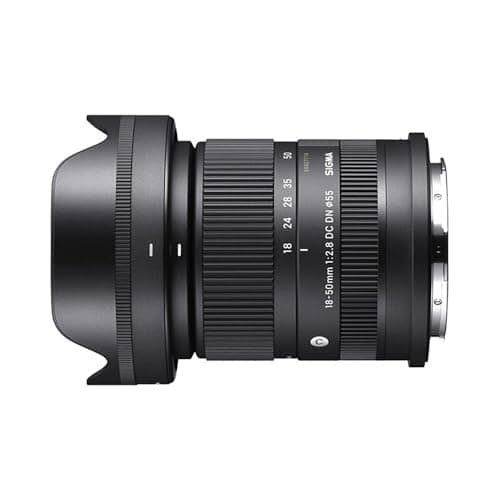
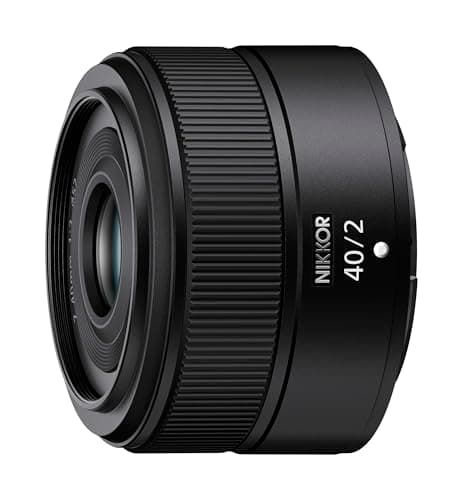
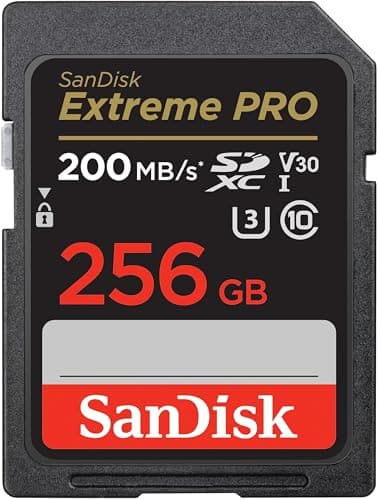
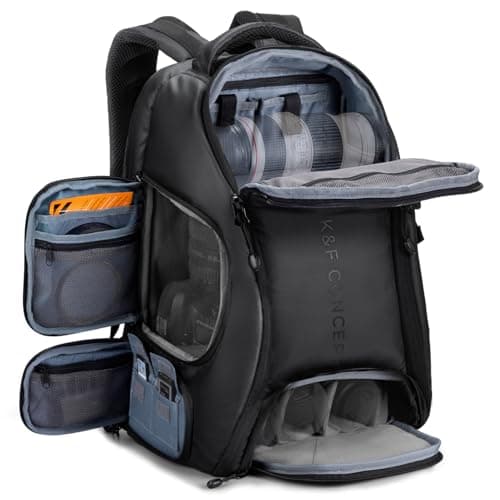
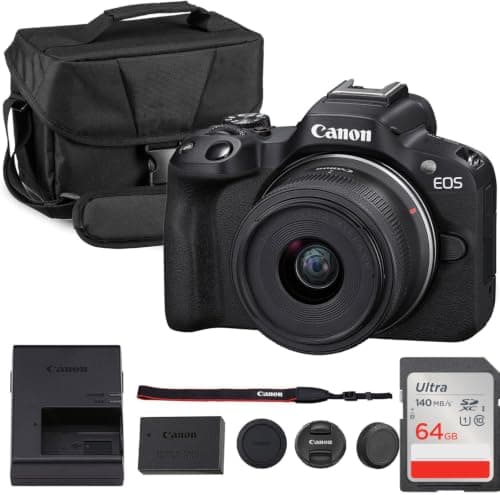
If you are buying a first camera as a gift, buy the Canon EOS R50 with its kit lens, add the SD card, and stop — that is a complete, working present. If they have said they want to make videos, swap in the Sony ZV-E10. Everything else on this page is for the beginner who already has a camera and needs the next thing. None of this is our guess for gift season; these are the same products that top our beginner camera ranking, budget ranking and lens rankings, at the same live prices, re-explained for someone who does not shoot.
How to shop this list
A beginner photographer is at one of three stages, and the right gift depends entirely on which. No camera yet: give a camera — one of the first three picks, bought as a kit — plus the SD card, because no camera ships with one. Has a camera with the lens it came with: give the lens for their brand; it is the single upgrade they will feel most, and the two lenses here cover Sony and Nikon owners (Canon owners are covered in our under-$300 guide). Has a camera and a second lens: give the bag, or move to our under-$150 guide for the accessories a growing kit needs.
The one rule that matters more than any pick: a lens fits one brand's cameras. The camera model is printed on the front of the body; every lens on this page says which cameras it fits in its "don't buy it if" line. Read that line before you buy.
Why these cameras and not the one at the big-box store
The cameras here are mirrorless — the modern kind, where the screen shows you exactly what the photo will look like before you take it, and the autofocus finds a face and holds it. That is what makes a beginner's first month rewarding rather than frustrating. Older DSLR-style cameras are still sold as "beginner bundles" and are usually worse value once you account for the lenses they lock you into; our mirrorless vs DSLR guide explains why in plain English.
Kit or body-only?
For a gift, always the kit. "Body-only" means no lens, and a camera with no lens cannot take a photo — it is the least festive thing you can unwrap. The kit lens is basic but real, and it is what the upgrade lenses on this page eventually replace.
What a first kit really costs
The camera is only part of the price. Our beginner kit cost guide does the math on the card, the spare battery and the lens they will want within a year — useful if several people are chipping in, because the second gift should probably be the lens.
The four checks that stop a gift becoming a return
1. Does it fit every camera, or one camera?
Camera gear splits cleanly into two piles. Universal gear — blowers, pens, wipes, SD cards, straps, bags, small lights, portable drives, most microphones — fits whatever they own. Mount-specificgear — lenses, and anything sized to a lens — fits one brand's cameras and is a guaranteed return on any other. If you cannot name their camera model, stay in the universal pile. Our lens mounts explainer is the two-minute version of why.
2. If it's a lens: match the mount, and the sensor size
A Sony lens does not fit a Canon camera, and even within a brand there are two sensor sizes. The safe way to check: find the camera model (it is printed on the front of the body), search "modellens mount", and confirm the lens listing names that mount. Where a lens on these pages is mount-specific, its "don't buy it if" line says exactly which cameras it fits.
3. If it's a filter: match the thread size
Polarizers and ND filters screw onto the front of a lens and come in sizes (49mm, 55mm, 58mm, 67mm and so on). The size is printed on the lens next to a ⌀ symbol. Buying without it is a coin flip; buying with it takes ten seconds.
4. Check the return window before you check out
Amazon has extended its holiday return window in recent years — for 2025 it said most items bought between November 1 and December 31 could be returned until January 31, 2026 (About Amazon). We do not yet know the 2026 terms, so confirm the window on the product page. For a gift you cannot verify, that window is your safety net: keep the packaging and the receipt.