Glass
Lenses for Every Use
The 'nifty fifty' and the handful of other lenses that change your photos more than any camera body ever will.
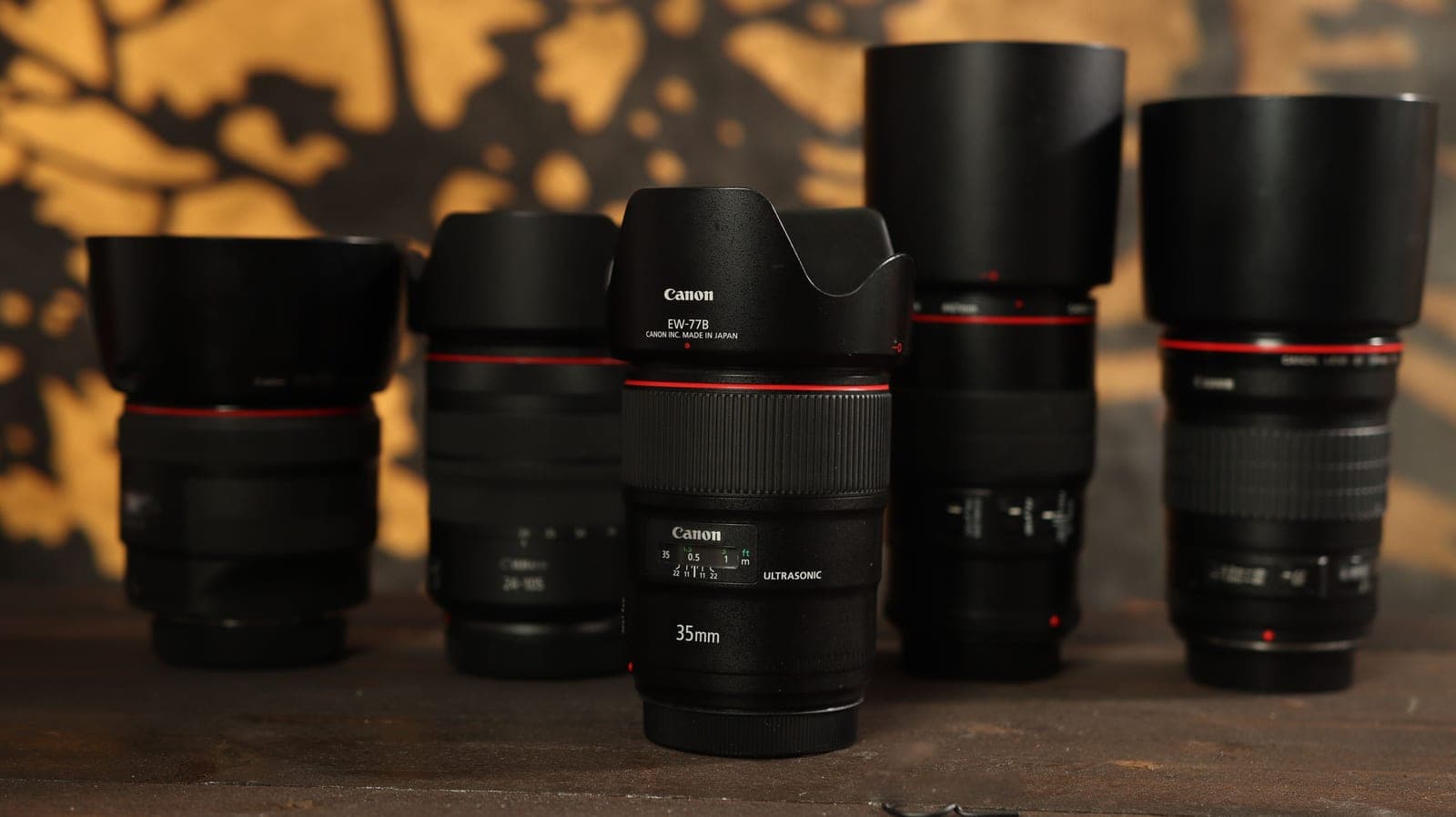
Here is the thing nobody tells beginners: the lens changes your photos more than the body does. A cheap camera with a good prime lens beats an expensive camera with its kit zoom, every time, in the ways you actually notice — background blur, low-light performance, sharpness. The first upgrade almost everyone should make is a fast prime, usually a 50mm f/1.8 'nifty fifty', and it costs less than a night out. This hub ranks lenses by what you want to shoot rather than by focal length alone, because 'best 50mm' means something different to a portrait shooter than to a vlogger who needs to fit in the frame.
We earn a commission when you buy through our Amazon links, at no extra cost to you. It never decides our rankings — we say so when the cheaper pick is the better buy. How this works.
Start here
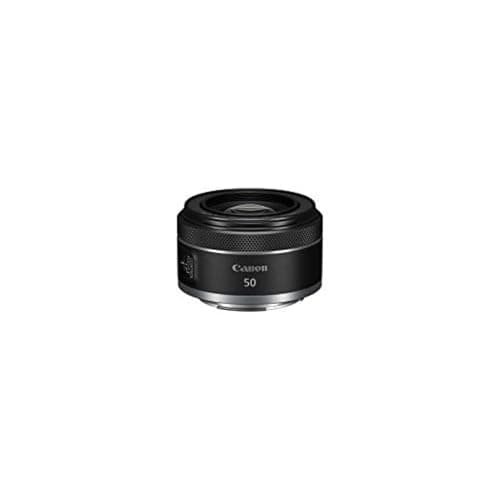
The Best 50mm Prime Lenses
The Canon RF 50mm f/1.8 is the nifty fifty to beat; the Sigma 30mm is the pick for APS-C. Five picks, ranked with live prices.
Read the guide →
Everything in this hub
All lenses
Roundup
The Best 50mm Prime Lenses
The Canon RF 50mm f/1.8 is the nifty fifty to beat; the Sigma 30mm is the pick for APS-C. Five picks, ranked with live prices.
5 picks · 5 with live prices
Top pick: Canon RF 50mm F1.8 STM
$199.00Amazon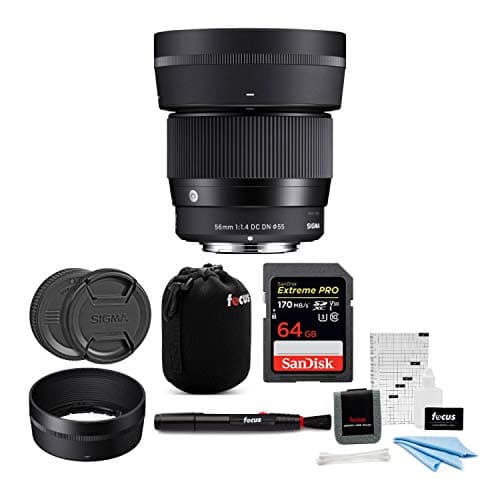
Roundup
The Best Lenses for Portraits
The Sigma 56mm f/1.4 is the budget portrait king; the Sony 85mm f/1.8 is the full-frame classic. Five picks, ranked with live prices.
5 picks · 4 with live prices
Top pick: Sigma 56mm F1.4 DC DN
$469.99Amazon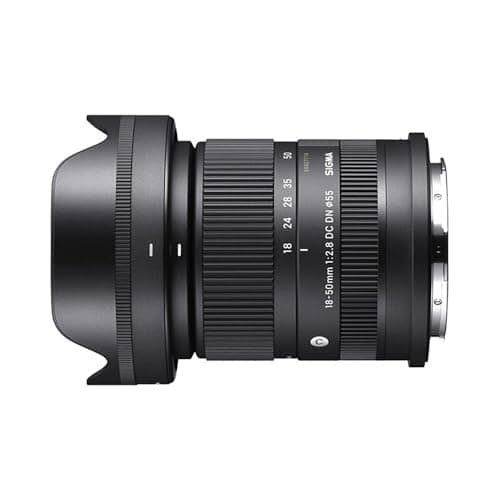
Roundup
The Best Lenses for Video
The Sigma 18-50mm f/2.8 is the best all-round video lens; add a fast prime for low light. Five picks, ranked with live prices.
5 picks · 4 with live prices
Top pick: Sigma 18-50mm F2.8 DC DN
$548.89Amazon- Roundup
Roundup
The Best Lenses for Vlogging
The Sony E 11mm f/1.8 is the ideal selfie-vlog focal length; the Sigma 16mm is the value pick. Five picks, ranked with live prices.
5 picks · 4 with live prices
Top pick: Sony E 11mm F1.8
Check price on Amazon → Roundup
The Best Travel Lenses for Mirrorless Cameras
The Sigma 18-50mm f/2.8 covers the most for the least weight; the Tamron 17-70mm adds reach and stabilization. Five picks, ranked with live prices.
5 picks · 4 with live prices
Top pick: Sigma 18-50mm F2.8 DC DN
$548.89Amazon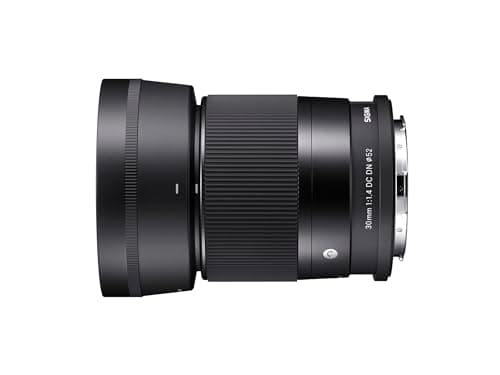
Roundup
The Best Low-Light Lenses for Mirrorless Cameras
The Sigma 30mm f/1.4 is the low-light lens to buy first; the wider Sigma 16mm f/1.4 is the runner-up. Six fast primes, ranked with live prices.
6 picks · 5 with live prices
Top pick: Sigma 30mm F1.4 DC DN
$332.00Amazon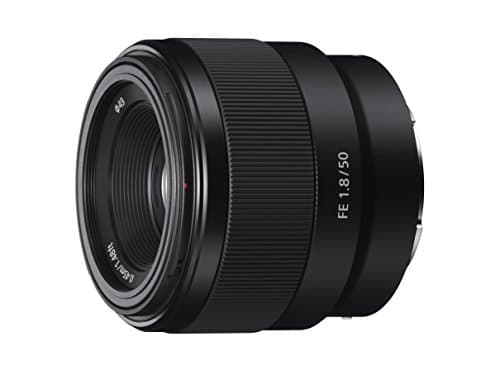
Roundup
The Best Budget Sony E-Mount Lenses
The Sony FE 50mm f/1.8 is the cheapest fast prime on E-mount; the Sigma 30mm f/1.4 is the APS-C runner-up. Five value picks, ranked with live prices.
5 picks · 4 with live prices
Top pick: Sony FE 50mm F1.8
$248.00Amazon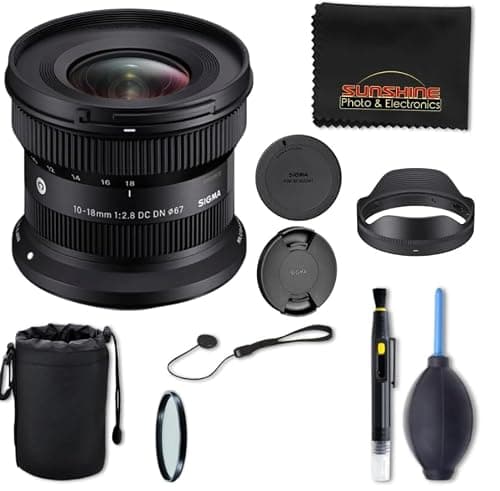
Roundup
The Best Wide-Angle Lenses for Mirrorless Cameras
The Sigma 10-18mm f/2.8 is the best all-round wide-angle zoom; the Sigma 16mm f/1.4 is the fast-prime value pick. Five picks, ranked with live prices.
5 picks · 4 with live prices
Top pick: Sigma 10-18mm F2.8 DC DN
$729.00AmazonRoundup
The Best Canon RF Lenses for Beginners
The Canon RF 50mm f/1.8 is the first lens to add; the RF 35mm f/1.8 Macro is the most versatile prime. Five picks, ranked with live prices.
5 picks · 3 with live prices
Top pick: Canon RF 50mm F1.8 STM
$199.00Amazon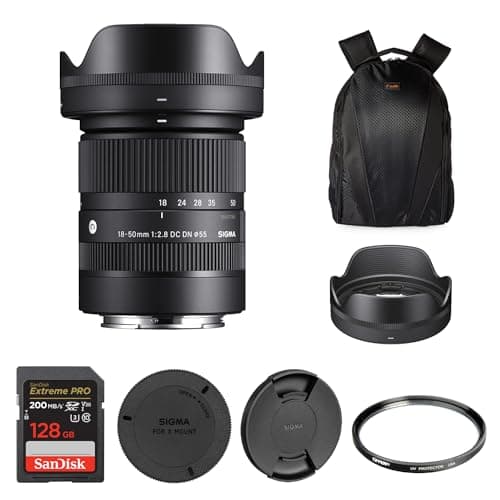
Roundup
The Best Fujifilm Lenses for Beginners
The Sigma 18-50mm f/2.8 is the best all-round Fujifilm lens; the Viltrox 33mm f/1.4 is the value nifty fifty. Five picks, ranked with live prices.
5 picks · 5 with live prices
Top pick: Sigma 18-50mm F2.8 DC DN (X-mount)
$659.00Amazon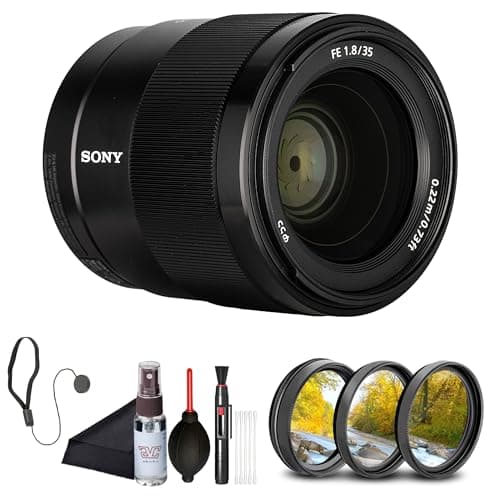
Roundup
The Best 35mm Prime Lenses
The Sony FE 35mm f/1.8 is the best all-round 35mm; the Viltrox 35mm f/1.7 Air is the budget champion. Five picks, ranked with live prices.
5 picks · 5 with live prices
Top pick: Sony FE 35mm F1.8
$798.00Amazon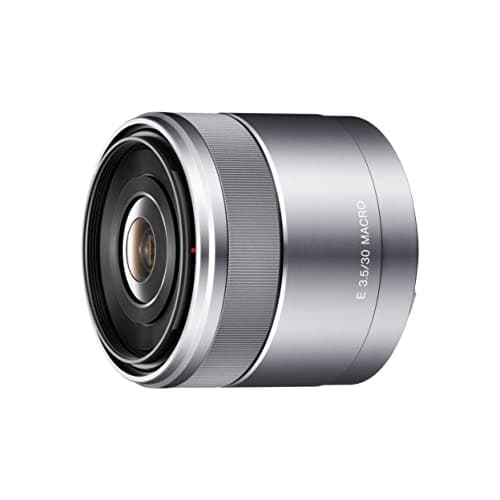
Roundup
The Best Macro Lenses for Beginners
The Sony E 30mm f/3.5 is the cheapest true 1:1 macro; the Tamron 90mm f/2.8 has the working distance to grow into. Five picks, ranked with live prices.
5 picks · 5 with live prices
Top pick: Sony E 30mm F3.5 Macro
$143.00AmazonHead to head
Sigma 18-50mm f/2.8 vs Tamron 17-70mm f/2.8
Buy the Sigma if you want the smallest fast zoom and shoot on a gimbal; buy the Tamron if you want more reach and built-in stabilization on a body without IBIS.
2 picks · 1 with live prices
Top pick: Sigma 18-50mm F2.8 DC DN
$548.89Amazon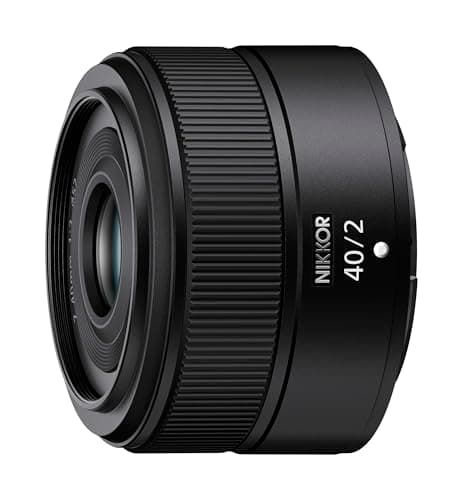
Roundup
The Best Nikon Z Lenses for Beginners
The Z 40mm f/2 is the first lens to buy for almost any Nikon Z body; the Viltrox 35mm f/1.7 is the budget alternative. Five picks ranked with live prices.
5 picks · 5 with live prices
Top pick: Nikon NIKKOR Z 40mm f/2
$226.95Amazon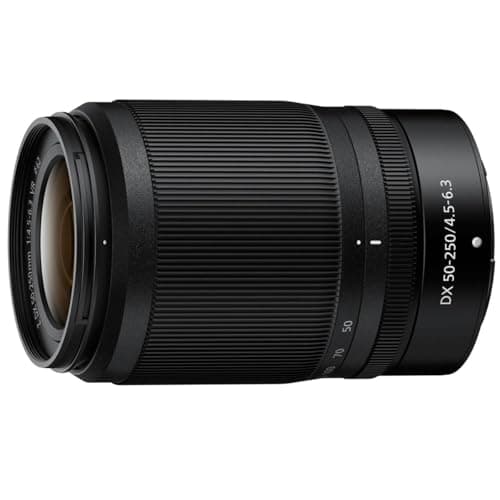
Roundup
The Best Telephoto Lenses for Beginners
The Nikon Z DX 50-250mm is the best cheap telephoto here; the Sony E 55-210mm and Fujifilm XC 50-230mm cover the other systems. Five picks with live prices.
5 picks · 4 with live prices
Top pick: Nikon NIKKOR Z DX 50-250mm VR
$406.95AmazonReview
Sigma 18-50mm F2.8 DC DN Review
The kit-lens upgrade most APS-C owners should make before buying anything else: a constant f/2.8 in a barrel barely bigger than a prime. Sold for Sony E, Canon RF and Fujifilm X — never for Nikon Z.
3 picks · 2 with live prices
Top pick: Sigma 18-50mm F2.8 DC DN
$548.89AmazonHead to head
Sigma 56mm f/1.4 vs Sony FE 50mm f/1.8
On an APS-C Sony like the ZV-E10, a6400 or a6700, buy the Sigma 56mm f/1.4: brighter, blurrier and quieter to focus. Buy the Sony FE 50mm f/1.8 if you shoot full frame or plan to.
3 picks · 3 with live prices
Top pick: Sigma 56mm F1.4 DC DN
$469.99AmazonReview
Sigma 30mm F1.4 DC DN Review
The fast normal prime that fixes dim indoor photos on a crop-sensor camera, and our top low-light pick. Sold in seven mounts — including Canon RF and Nikon Z, which the Sigma 18-50mm zoom never got.
3 picks · 3 with live prices
Top pick: Sigma 30mm F1.4 DC DN
$332.00Amazon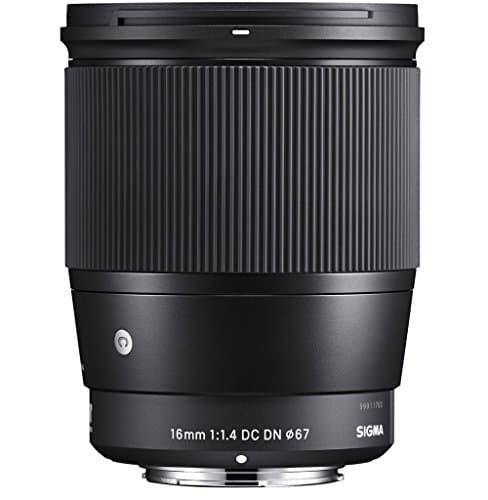
Review
Sigma 16mm F1.4 DC DN Review
The affordable fast wide for APS-C: excellent in the center at f/1.4, soft in the corners until f/2.8, and heavier than the cameras it suits. Sold in seven mounts, four of which you can buy today.
4 picks · 4 with live prices
Top pick: Sigma 16mm F1.4 DC DN
$414.00AmazonRoundup
Best Lenses for the Sony a6400
Buy the Sigma 18-50mm F2.8 first - it replaces the kit lens for good. Then the 56mm for portraits, the 16mm for video and low light. Five lenses with live prices.
5 picks · 5 with live prices
Top pick: Sigma 18-50mm F2.8 DC DN
$548.89AmazonBuyer's guide
Third-Party vs Brand-Name Lenses
Sigma and Tamron are not a downgrade on Sony E-mount - they are often the better buy. Here is what you give up, and why Canon RF owners get a different answer.
4 picks · 4 with live prices
Top pick: Sigma 18-50mm F2.8 DC DN
$548.89Amazon
How we choose
Our method for this category
We rank lenses on the things a beginner sees in the final image: maximum aperture (how much light and blur it gives you), sharpness as reported by the manufacturer and corroborated by published reviews, autofocus type and speed, size and weight, and price per mount. We note which camera systems each lens fits, because a lens is only a bargain if it mounts on your camera.
Questions