Learn
Buying Guides
The concepts behind the purchase, explained in plain English — so the roundups make sense and you buy once instead of twice.
Buying guides that skip the concepts leave you comparing numbers you don't understand. This hub is the plain-English layer under the roundups: what actually separates mirrorless from DSLR, whether the sensor-size debate matters for you, how to choose a camera without a spreadsheet, and — the guide nobody else writes — what a beginner kit really costs once you add the lens, the card and the battery you'll inevitably buy. Every guide answers the question first, then explains the why, then points you at the specific gear that fits. The aim is that you buy the right thing the first time.
We earn a commission when you buy through our Amazon links, at no extra cost to you. It never decides our rankings — we say so when the cheaper pick is the better buy. How this works.
Start here
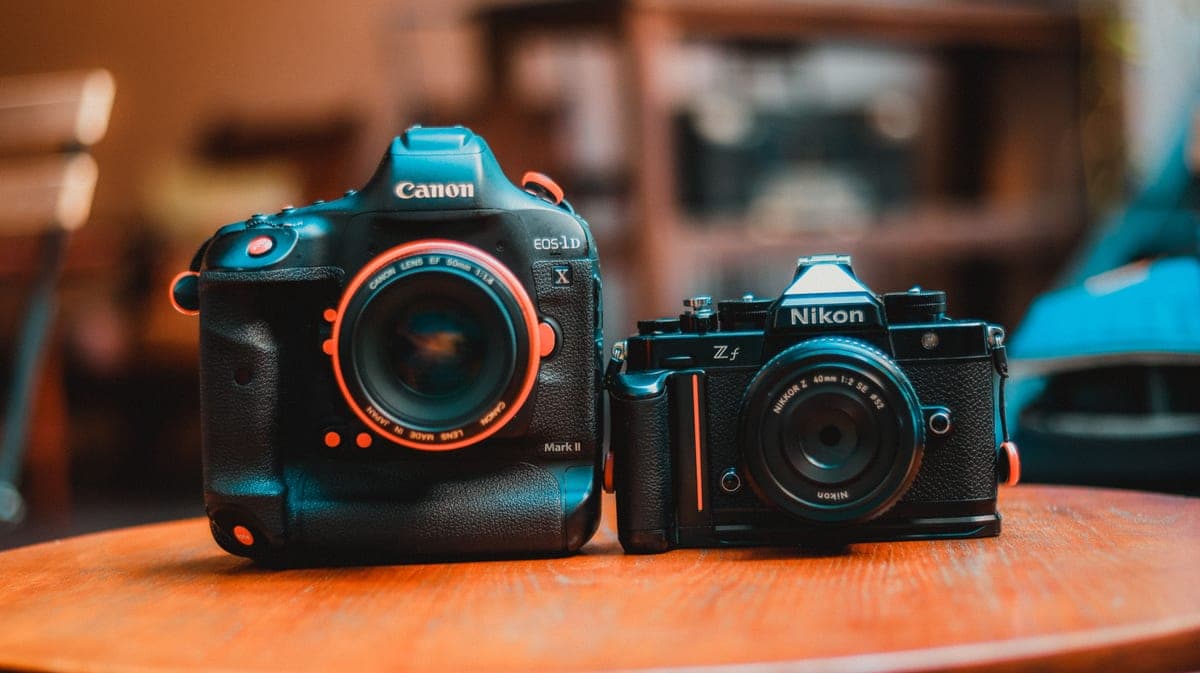
Mirrorless vs DSLR: Which Should a Beginner Buy?
For most beginners in 2026, buy mirrorless — that's where the new cameras, lenses and autofocus are. A used DSLR is only smart if the price is unbeatable.
Read the guide →
Everything in this hub
All guides
Buyer's guide
Mirrorless vs DSLR: Which Should a Beginner Buy?
For most beginners in 2026, buy mirrorless — that's where the new cameras, lenses and autofocus are. A used DSLR is only smart if the price is unbeatable.
Buyer's guide
APS-C vs Full Frame: What a Beginner Actually Needs
APS-C is the smart beginner choice: nearly the same image quality, a fraction of the total cost and weight once you add lenses. Full frame can wait.
Buyer's guide
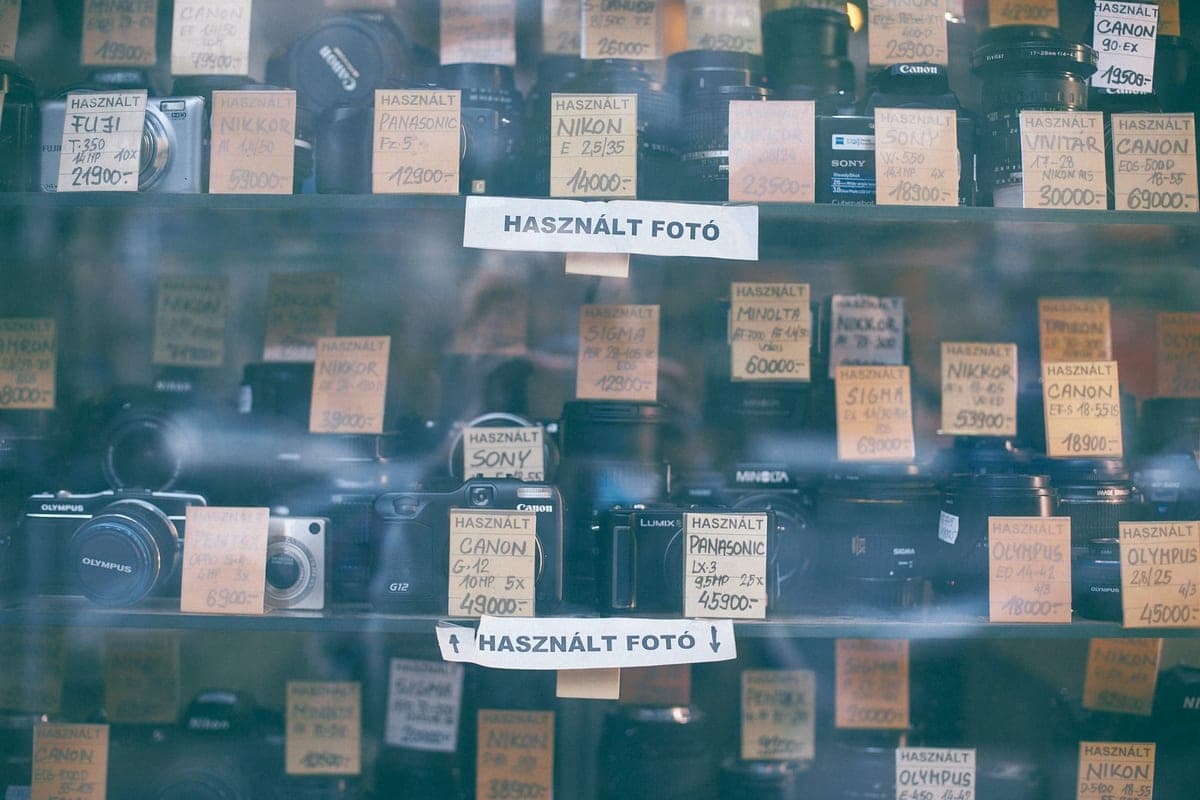
How to Choose a Mirrorless Camera: A 6-Step Guide
Decide stills vs video first, set a total budget, then choose a lens system before you fixate on any one body. A simple six-step method to your first camera.
Buyer's guide
What Camera Should I Buy?
Match the camera to what you'll shoot: a vlogging cam, an all-rounder, an action body, a budget pick, or a color-first Fujifilm. A quick by-use-case guide.
Buyer's guide
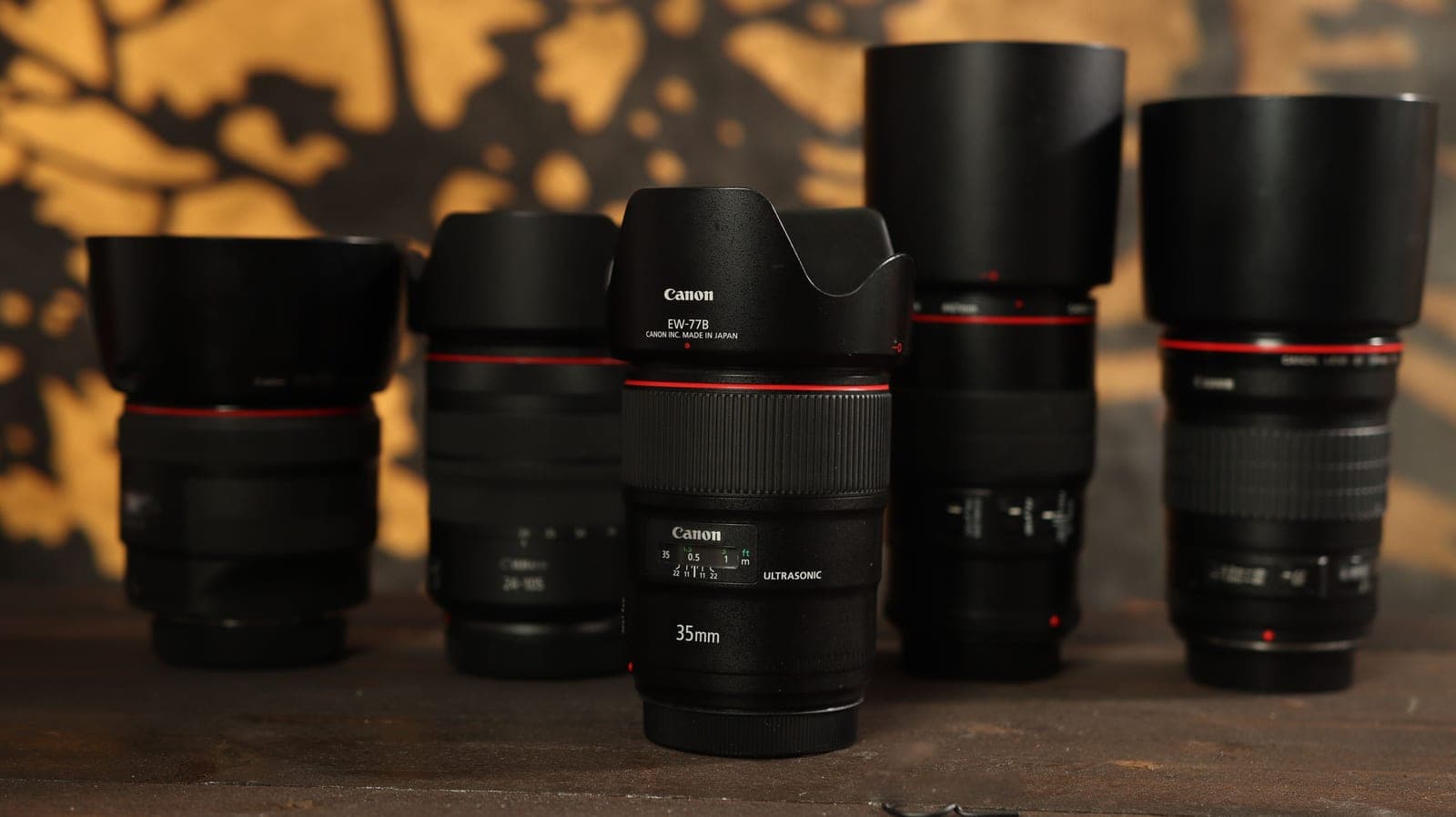
What a Beginner Camera Kit Really Costs
The camera body is only about 50 to 70 percent of a usable kit. Here's the honest, category-by-category breakdown of what to budget and what can wait.
Buyer's guide
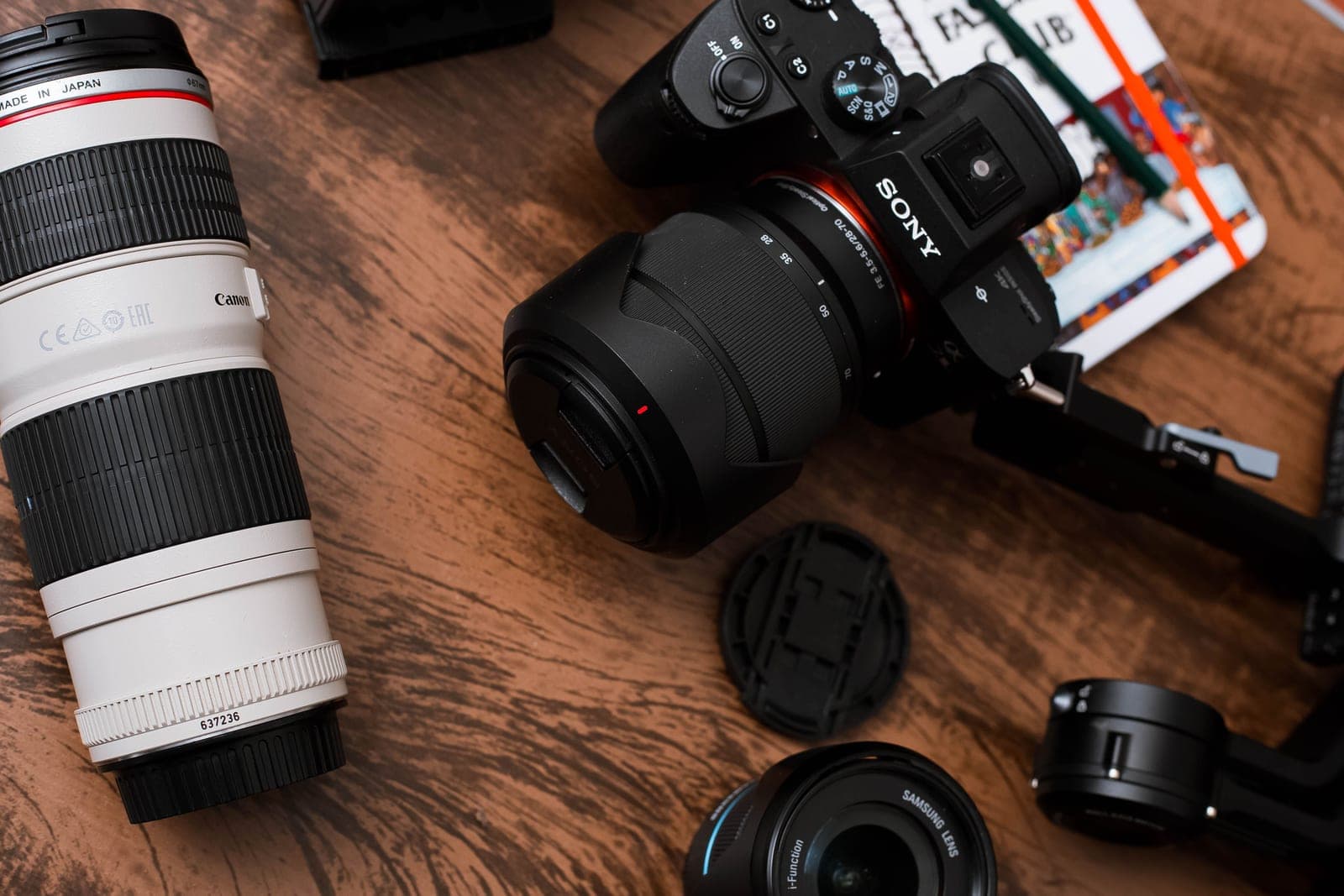
Kit Lens vs Prime Lens: Which Should You Buy First?
Keep the kit zoom for versatility, then add a cheap 35mm or 50mm f/1.8 prime for sharpness, low light and background blur. The two-lens start beats either lens alone.
Buyer's guide
How to Use a Mirrorless Camera: A Beginner's Guide
Start in Aperture mode, learn the exposure triangle one dial at a time, pick the right focus mode, and follow a simple first-week plan. A plain-English intro to actually shooting.
Buyer's guide
Do I Need Full Frame? (Probably Not, and Here's Why)
Most beginners do not need full frame. A modern APS-C body is close in good light, far cheaper and lighter once you add lenses, and full frame only pays off for specific, proven needs.

Buyer's guide
Photography vs Videography: Which Should You Learn First?
Photography and video share gear but demand different skills. Learn photography first for a solid foundation, or start with video if your goal is content — a plain guide to choosing.
Buyer's guide
The Best Photo Editing Software for Beginners (2026)
Lightroom is the easiest all-rounder (subscription); Affinity is now free; Darktable and GIMP are genuinely capable and free too. An honest, price-model-first comparison.
Buyer's guide
The Best Photography Books for Beginners (2026)
An honest beginner reading list: Understanding Exposure for the fundamentals, Read This If You Want to Take Great Photographs to get shooting, and a few classics for the eye behind the camera.
Buyer's guide
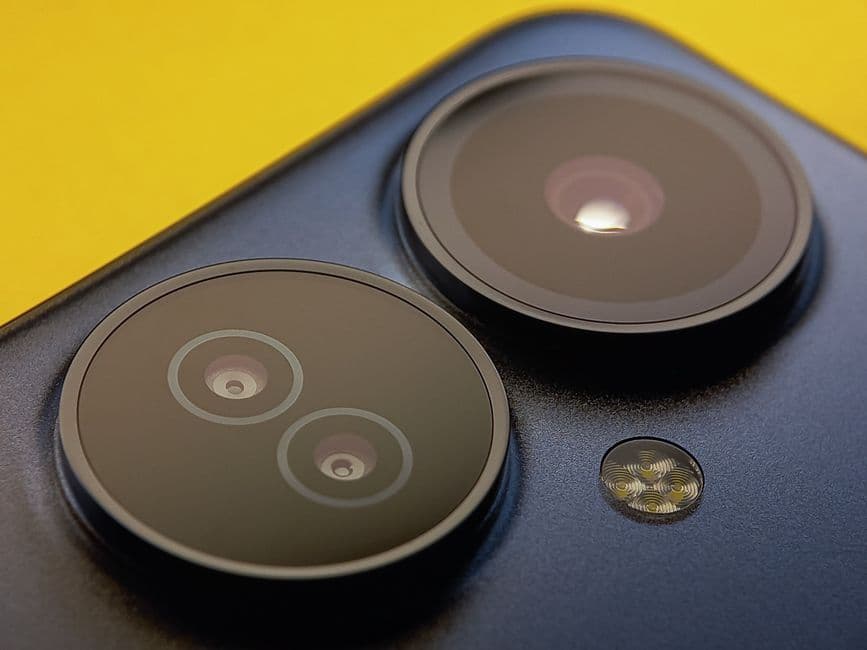
Crop Factor Explained: What It Means for Your Lenses
Crop factor (about 1.5x on APS-C, 1.6x on Canon, 2x on Micro Four Thirds) tells you how a lens frames on a smaller sensor. Multiply the focal length by it to compare lenses fairly.
Buyer's guide
The Exposure Triangle Explained: Aperture, Shutter Speed and ISO
Aperture, shutter speed and ISO together set a photo's brightness — and each has a side effect: blur, motion and grain. Learn how they trade off, plus a simple starting recipe.
Buyer's guide
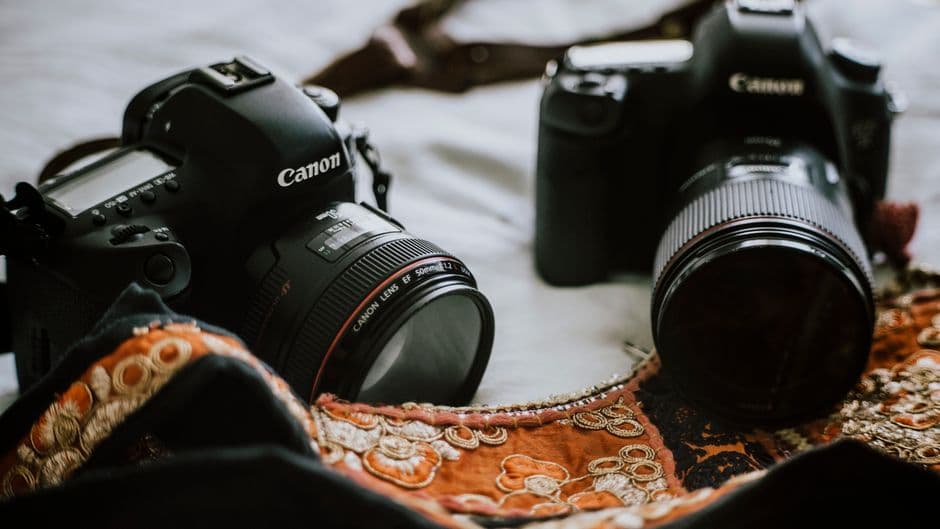
Prime vs Zoom Lens: Which Should You Buy?
Primes are sharper, brighter and cheaper for the speed; zooms are flexible and reframe without a swap. Most beginners want a versatile zoom plus one bright nifty-fifty prime.

Buyer's guide
The Best Camera Settings for Video: A Beginner's Guide
Shoot 24 or 30fps, set shutter to about double the frame rate, use an ND filter in daylight, fix white balance, and turn on eye-tracking AF. Beginner-safe video defaults, explained.

Buyer's guide
JPEG vs RAW: Which Should You Shoot?
RAW keeps all the sensor data for maximum editing latitude and dynamic range; JPEG is a smaller, finished, share-ready file. Shoot RAW if you'll edit, JPEG if you won't, or both.

Buyer's guide
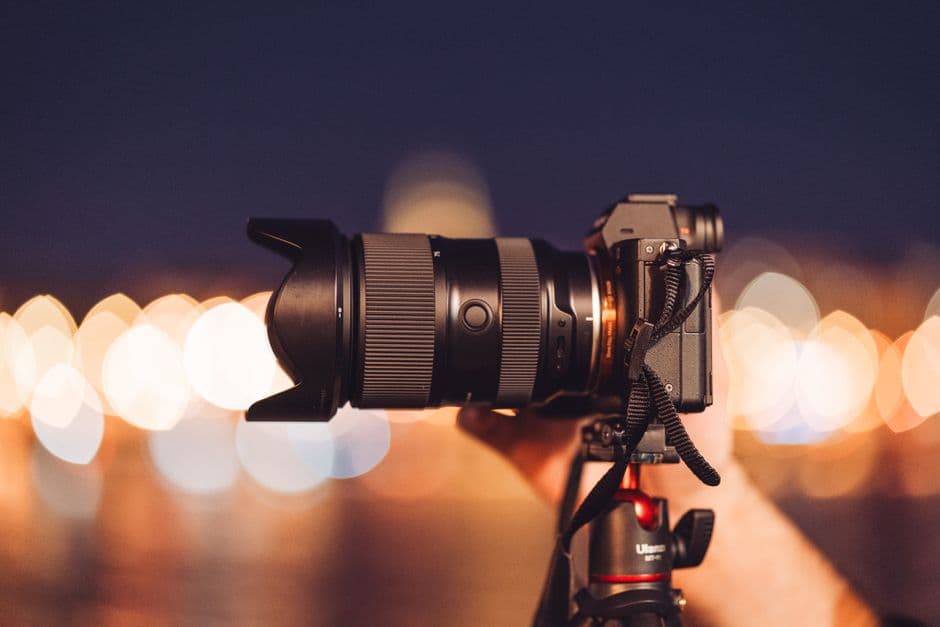
How to Film Yourself: A Solo Creator's Setup Guide
To film yourself well, solve three things: seeing the frame (flip screen or monitor), staying in focus alone (eye AF or a focus mark), and clean audio (a real mic). Then light it and check it.
Buyer's guide
Image Stabilization Explained: IBIS, Lens IS and Digital
IBIS moves the sensor, lens IS moves elements inside the lens, and digital IS crops in software. Stabilization is rated in 'stops' and steadies hand shake — it does not freeze subject motion.
Buyer's guide
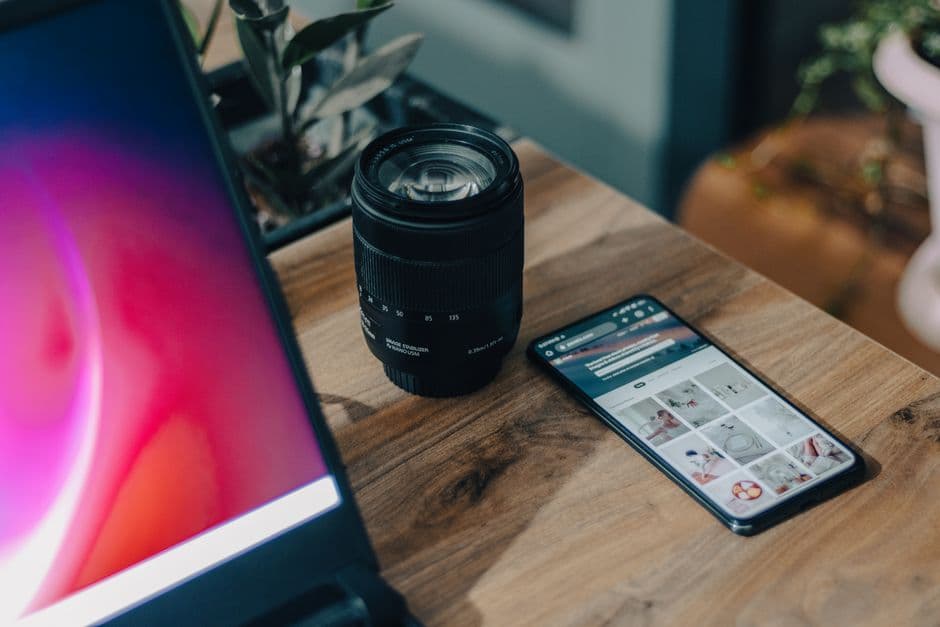
Camera vs Phone: Is a Real Camera Still Worth It?
Phones win on convenience and computational tricks. Cameras win on light gathering, real optical reach, control and how the results hold up when you look closely.
Buyer's guide
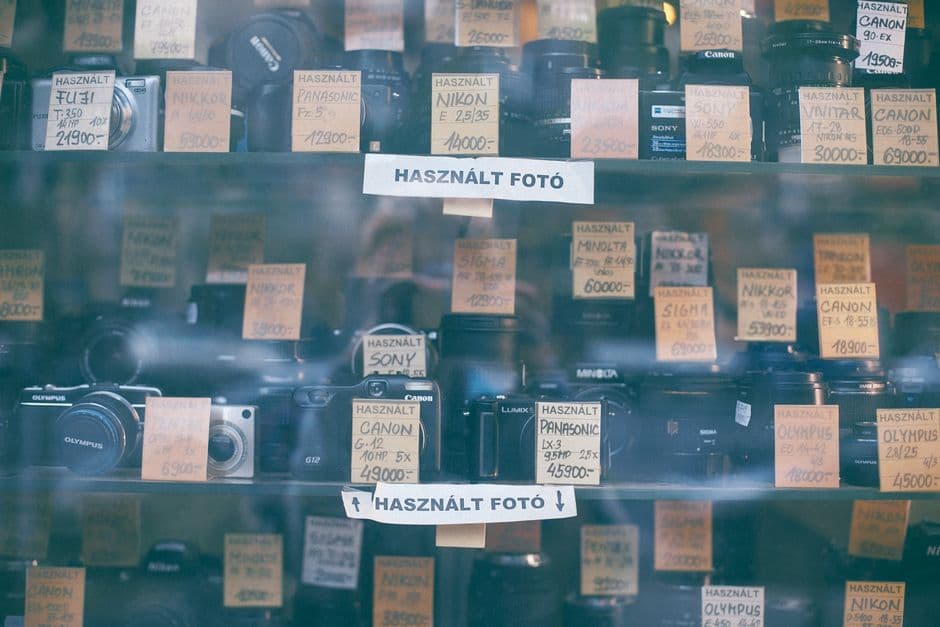
Buying a Used Camera: What to Check
Cameras age well and prices fall fast, so used is often the smart buy. Check shutter count, sensor, lens elements and mount contacts — and know which faults are fatal.
Buyer's guide
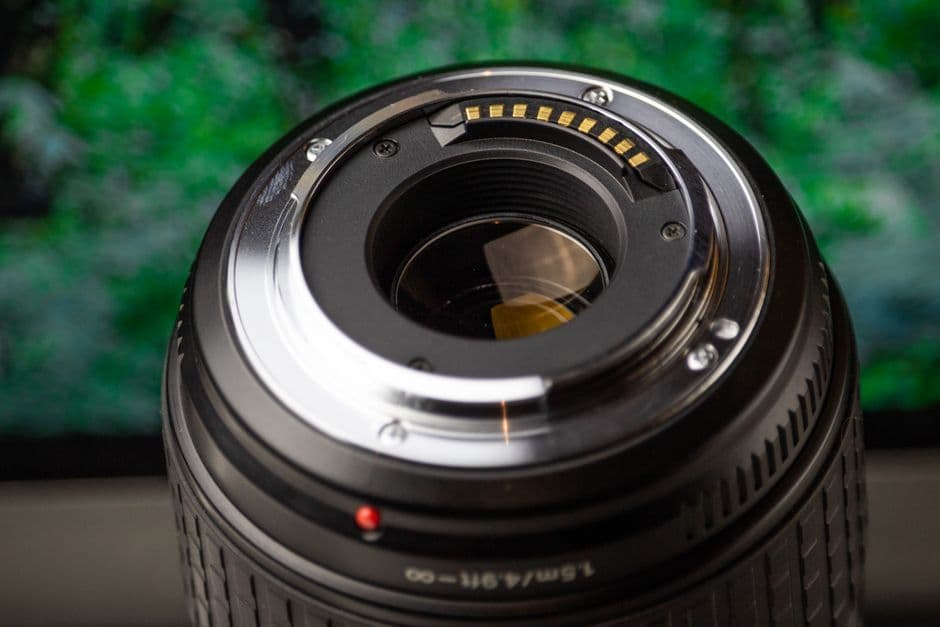
Lens Mounts Explained: What Fits What
A lens mount is the physical and electronic standard that decides which lenses fit. Bodies get replaced; mounts do not. Here is the plain map of the main systems.
Buyer's guide
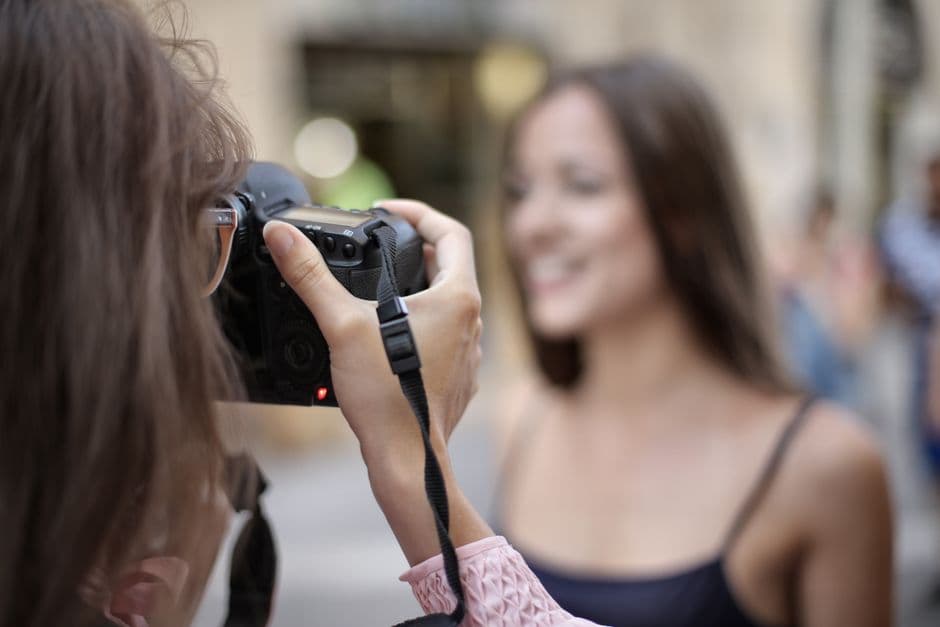
Autofocus Modes Explained
AF-S locks focus once; AF-C keeps adjusting. Combine that with the right focus area and eye detection, and most soft-photo problems disappear.
How we choose
Our method for this category
These are explainers, not product rankings — so the standard here is accuracy and clarity. Every technical claim traces to a manufacturer spec, a published standard, or a source we link. Where a guide recommends gear, it links to the roundups where those picks are ranked with live prices.
Questions