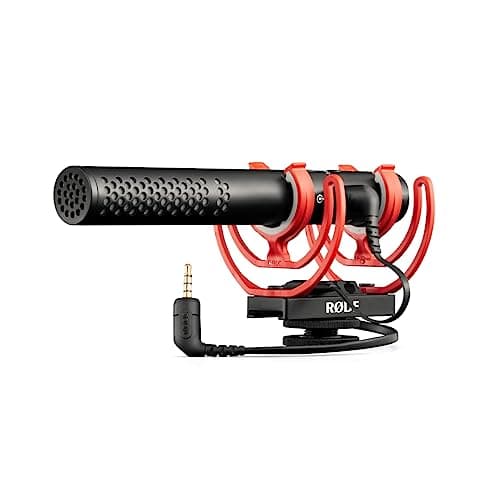
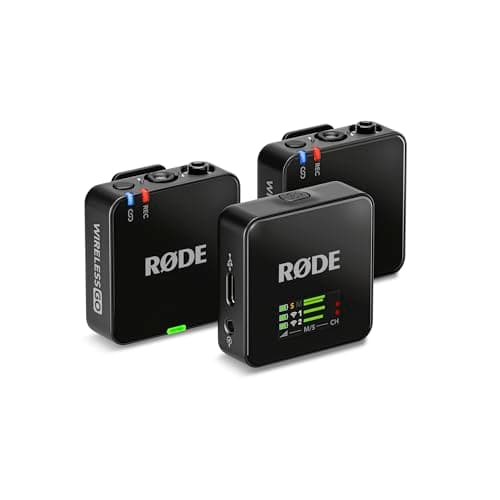
For most vloggers the Rode Wireless GO III is the best microphone: two clip-on transmitters, hours of 32-bit float backup recording, and automatic level control so a dropout or a mis-set gain never costs you the take. If you never leave the camera and want the cleanest wired sound, the Rode VideoMic NTG shotgun is the pick. The rest of this list is about matching a mic to how — and where — you actually film.
Here's the uncomfortable truth every experienced creator learns: viewers forgive soft video far more readily than bad audio. A slightly grainy shot still holds attention; echoey, hissy, wind-blasted sound makes people click away within seconds. Your camera's built-in mic sits inches from your hands, the lens motor and the wind, and points at everything except your mouth. Almost any external mic is a bigger, cheaper upgrade to your videos than a new camera body. That is why we tell beginners this is the first accessory to buy.
How to choose a vlogging microphone
There are two decisions to make, and once you've made them the shortlist picks itself: what pickup pattern you need, and whether that mic should be wireless or on-camera.
Pickup pattern: shotgun vs lavalier
A microphone's pickup pattern is simply the shape of the area it listens to. The two that matter for vlogging are:
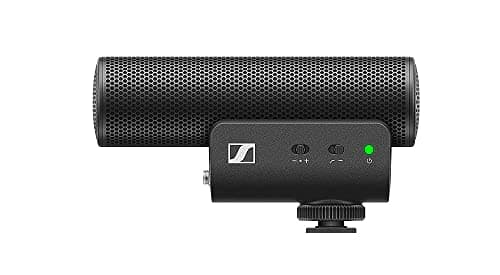
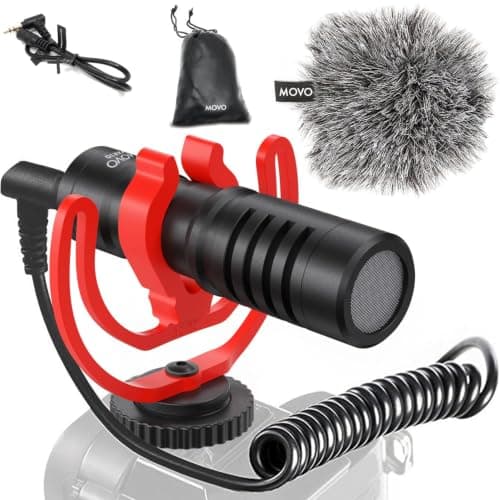
- Shotgun (supercardioid):a narrow, forward-facing beam. Mounted on the camera, it captures whatever the lens points at and rejects sound from the sides and rear. Great for talking to the camera at arm's length or filming a scene in front of you — but the further you get from it, the more room echo creeps in. The Rode VideoMic NTG, the MKE 400 and Movo VXR10 are shotguns.
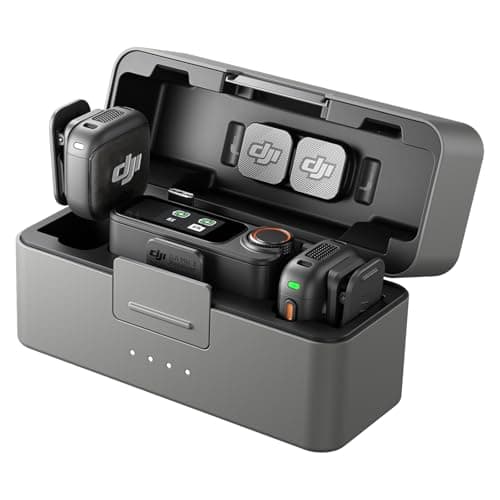
- Lavalier (lav):a tiny mic that clips to your collar, a few inches from your mouth. Because it's close to the source, it captures a clean, consistent voice no matter how far you are from the camera, and it ignores most of the room. Wireless lav systems like the Rode Wireless GO III and DJI Mic 3 pair a clip-on transmitter with a receiver on the camera.
The rule of thumb: if your mouth stays close to the camera, a shotgun is simplest. If you move around, film at a distance, or interview someone, a wireless lav wins because it keeps the mic on you, not on the camera.
Wireless vs on-camera
On-camera shotguns are cheaper, need no pairing, and can't drop a wireless signal — plug in and roll. The trade-off is that they only sound their best when you're close. Wireless systems cost more and add batteries to charge, but they free you from the camera entirely and sound the same whether you're two feet away or across a car park. Many creators end up owning one of each: a shotgun for quick static clips, a wireless kit for everything else.
The details that separate good from great
- Onboard/backup recording: transmitters that record their own copy of the audio (Wireless GO III, DJI Mic 3) save the take if the wireless link stutters.
- 32-bit float: the Wireless GO III and DJI Mic 3 record a format that makes clipped or too-quiet audio recoverable in editing — a real safety net for beginners still learning to set levels.
- A safety channel:the VideoMic NTG records a second, quieter track so a sudden loud moment doesn't ruin your only recording.
- Monitoring:a headphone output (on the MKE 400, or your camera) lets you confirm you're actually recording clean sound before you shoot a whole video.
Whatever you pick, remember the mic is part of a system. A good vlogging camera with a mic input, a fast SD card and a tripod round out the kit — we cost the whole thing in the beginner camera kit guide.
Clip-on or on-camera: decide the shape first
The picks above include both shapes, and the choice between them is not about sound quality — it is about how far the capsule can be from the mouth. A shotgun in a hot shoe needs the camera close; a clip-on transmitter stays close wherever you walk. If you are still weighing the two, lavalier vs shotgun mic makes the call, and DJI Mic Mini vs Hollyland Lark M2 compares the two cheapest wireless kits.
If you are vlogging on a phone
The ranking changes, because the deciding specification stops being sound quality and becomes which connector the receiver has. We rank that separately on best microphones for phone video, where the kit that ships both a camera receiver and a USB-C receiver wins on that basis alone.