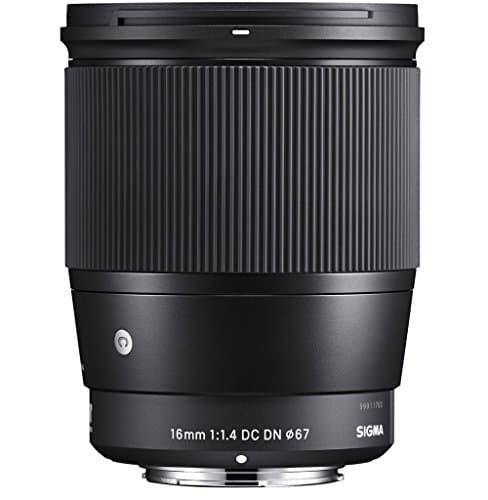
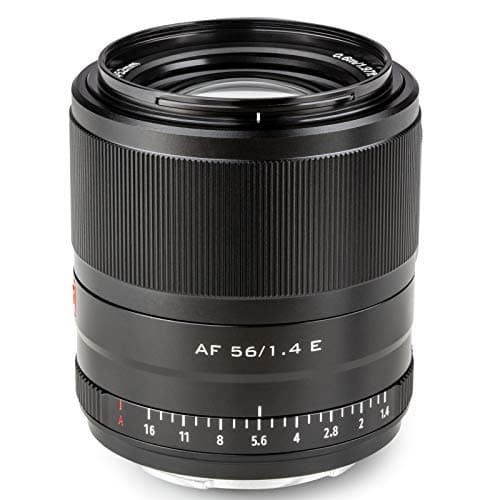
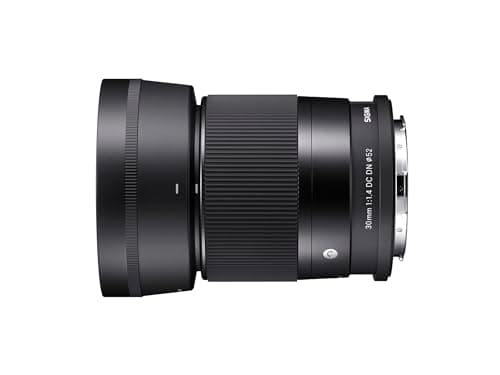
For most people, the Sigma 30mm f/1.4 DC DN is the low-light lens to buy first: its wide f/1.4 aperture pulls in so much light that an ordinary camera keeps shooting cleanly in a dim room where a kit lens would force a grainy, blurred mess. When you need to take in more of the scene — a whole event space, an interior, a night sky — the wider Sigma 16mm f/1.4 is the runner-up. Every pick on this list was chosen for one number above all others: the maximum aperture, and this guide is about why that single spec decides the whole category.
When a lens is described as "fast," it means it opens wide and lets in a lot of light — and that is exactly what dim scenes demand. The maximum aperture, written as an f-number, is the whole story here: the smaller the number, the wider the opening and the more light reaches the sensor. An f/1.4 lens opens dramatically wider than the f/3.5-5.6 kit zoom that came with most cameras, and wider still than an f/2.8 zoom. That extra light is what lets you keep shooting after sunset, indoors, or in a candle-lit room without a flash flattening the mood.
Here is the part that saves beginners the most money. When a scene is dark, your camera has three ways to brighten it: a slower shutter speed (which blurs any movement), a higher ISO (which brightens the image but adds grain and dulls the color), or a wider aperture (which simply lets in more light with no penalty to the picture). Most beginners assume the fix for dark rooms is a more expensive camera with better high-ISO behavior. In practice, a wider lens does more, for far less money. Each full step of aperture — f/2.8 to f/2 to f/1.4 — roughly doubles the light, so moving from an f/2.8 zoom to an f/1.4 prime is worth about two stops of ISO. A cheap fast prime on an entry-level body will often out-shoot a slow zoom on a camera costing three times as much, once the lights go down.
Wide apertures come with one honest trade you have to manage: they blur the background beautifully, but the in-focus zone becomes razor-thin. At f/1.4 on a close subject, only the eyes may land sharp while the ears go soft — wonderful for a single portrait, awkward for a group where the people at the back drift out of focus. The fix is to stop down a little, to f/2 or f/2.8, which deepens the sharp zone and gives back some of the light you gained. The skill of low-light shooting is knowing when to shoot wide open for the mood and the light, and when to close down for the focus. A fast lens gives you that choice; a slow lens never does.
These picks span the focal lengths a low-light shooter actually needs. A wide 15-16mm suits interiors, events and the night sky; a normal 30mm is the everyday choice; and a short-telephoto 56mm or 85mm is for low-light portraits with strong subject separation. What they share is a bright f/1.4-f/1.8 aperture. A quick scope note: most are Sony E-mount APS-C lenses, the Sony FE 85mm is full-frame E-mount, and the very cheap Viltrox 56mm is Sony E-mount too — the system with by far the deepest catalog of affordable fast glass. Buy the version made for your camera.
There is a second, quieter reason a fast lens transforms low-light shooting: it lets you keep the shutter fast enough to freeze motion. In a dim room a slow lens forces a long exposure, and any movement — a child, a dancer, your own hands — smears into blur. Because a wide aperture floods the sensor with light, you can hold a quicker shutter speed at the same brightness, so people stay crisp instead of ghosting. That is why an f/1.4 prime so often rescues indoor events and evening street scenes where a kit lens returns a folder of soft, unusable frames.
How to choose a low-light lens
The order of priorities for a low-light lens is simple: maximum aperture first, then the focal length that matches your subject, then autofocus that can lock on in the dark. Get the aperture right and everything else is a refinement. The picks below all clear the aperture bar, so choosing between them is really about what you shoot and how much you want to spend.
Aperture is the whole game
The single spec that makes a lens good in low light is its maximum aperture. Look for f/1.8 or, better, f/1.4 — anything slower than about f/2 starts to struggle once the sun is down. To put the difference in plain terms: an f/1.4 lens gathers roughly four times as much light as an f/2.8 zoom, and far more than a kit lens that only reaches f/3.5-5.6 at the wide end and f/5.6-6.3 zoomed in. That is the gap between a clean, sharp shot at a birthday dinner and a dark, blurred one. Every lens on this list opens to f/1.4 or f/1.8, which is exactly why they belong here and a kit zoom does not.
Why a fast lens beats a high-ISO camera
It is tempting to think the answer to dark scenes is a newer, pricier camera body with cleaner high-ISO performance. It rarely is. Raising ISO brightens the picture, but it does so by amplifying the signal, which adds grain and drains color and fine detail — push it far enough and even the best body looks rough. A wider aperture brightens the picture by letting in real light instead, so the image stays clean. Because each full stop of aperture doubles the light, swapping a slow zoom for an f/1.4 prime lets you drop your ISO by about two stops and keep the same brightness — a large, visible jump in quality. Dollar for dollar, a fast lens is the best low-light upgrade you can buy, and it keeps working when you change bodies later. If you are buying the body at the same time, our best cameras for low light ranking covers the half of the decision this page does not — including which bodies cap their video ISO below their stills ISO.
The depth-of-field trade you have to manage
Shooting wide open is not a free win, and pretending otherwise sets beginners up to fail. At f/1.4 the plane of sharp focus is very shallow, so your focus point has to be exact — usually the near eye on a person — and anything much in front of or behind it softens. For a single subject that is the look you paid for. For two or three people side by side, or a group, you will want to stop down to f/2.8 or f/4 so everyone lands sharp, which means giving back some light and raising ISO or slowing the shutter to make up for it. Knowing that balance is the core skill of low-light photography, and only a fast lens gives you the room to choose it.
How the picks compare
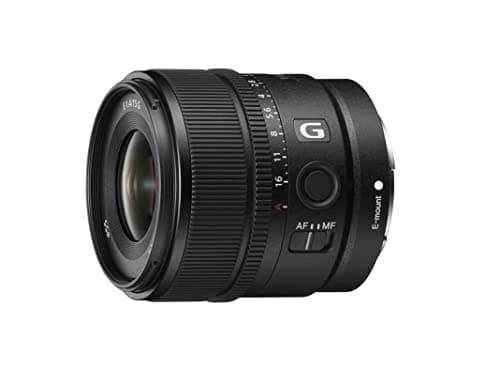
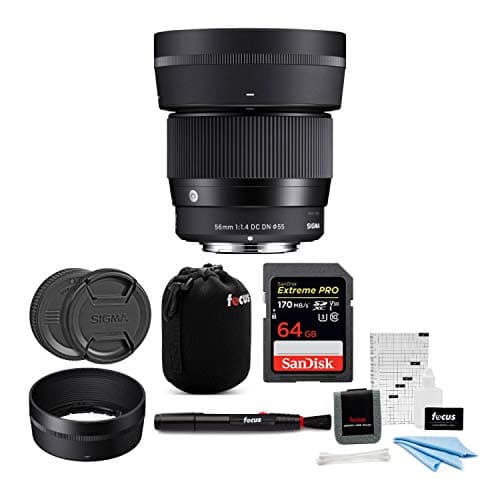
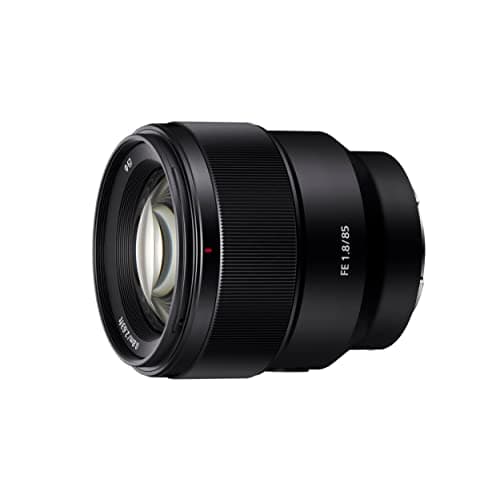
The Sigma 30mm f/1.4 is the best all-round low-light pick: a natural everyday framing on APS-C, bright, sharp and affordable. The Sigma 16mm f/1.4 is the wide specialist for events, interiors and astro, where you want the whole scene and still need speed. The Sony E 15mm f/1.4 G is the premium wide option, adding a de-clickable aperture ring that makes it a joy for video as well as stills. For low-light portraits, the Sigma 56mm f/1.4 delivers the strongest subject separation of the group, while the full-frame Sony FE 85mm f/1.8 is the classic portrait length for Sony full-frame bodies. And the Viltrox 56mm f/1.4 is the budget way into fast portrait glass, giving up some autofocus surety for a much lower price.
Because the Sigma 30mm is the pick most readers of this page end up buying, we gave it a page of its own: our Sigma 30mm f/1.4 DC DN review goes through the sharpness figures the labs measured, the barrel distortion every one of them flags, and which of its seven mount versions is the right buy for your camera.
Autofocus and staying sharp in the dark
Low light is where autofocus systems work hardest, because they need contrast to lock on and darkness robs them of it. A brighter lens actually helps here — it feeds the focus system more light — but the focus motor matters too. The Sony lenses and the Sigma primes focus quickly and confidently even in dim rooms, so more of your frames come back sharp. The very cheap Viltrox 56mm is a step behind, hunting a little more in the dark, which is the trade for its price. Whatever you choose, remember that a wide aperture and a steady hand work together: a fast lens lets you use a quicker shutter speed, which freezes both your own shake and your subject's movement far better than a slow lens ever could.
Shutter speed: the other half of low light
Aperture gets the attention, but shutter speed is its partner in the dark. A fast lens is valuable precisely because it lets you raise the shutter without darkening the shot — and a quick shutter is what keeps moving subjects sharp. As a rough guide, handheld shots want a shutter speed at least as fast as your focal length (around 1/60s for a 30mm, faster for people in motion), and dim rooms fight you on that. The wide aperture buys back the light you need to hold that speed. In-body stabilization helps with camera shake but does nothing for a moving subject, so the bright lens is doing the real work here.
Full-frame or APS-C for low light?
Sensor size plays a supporting role. A larger full-frame sensor gathers more light per shot than an APS-C one, so a full-frame body has a modest edge in the dark — but that edge is smaller than most beginners expect, and a fast lens closes the gap easily. An f/1.4 prime on an APS-C camera comfortably out-shoots a slow zoom on a full-frame body. In other words, do not buy a bigger sensor to fix low light before you buy a faster lens; the lens is the cheaper, larger improvement. If you already shoot full-frame, the Sony FE 85mm here takes full advantage of it for portraits; if you shoot APS-C, the fast primes do the heavy lifting.
Prime or zoom in the dark
For low light specifically, a prime almost always wins. Zooms rarely open wider than f/2.8, and even a good f/2.8 zoom gathers only about a quarter of the light of an f/1.4 prime — a huge deficit when photons are scarce. That is why every pick on this list is a prime: the category is defined by the widest apertures, and only primes reach them affordably. A constant-aperture zoom is the more flexible everyday tool and handles moderately dim scenes, but when the light truly drops, the fixed focal length of a fast prime is the price you pay for keeping the shutter fast and the image clean.
Reading the light before you shoot
A little habit makes fast glass pay off. Before you raise the camera, notice where the light is coming from — a window, a lamp, a doorway — and place your subject so that light falls on them rather than behind them. Even the brightest lens struggles with a face lit only from the back, while a subject turned toward a soft window looks great at a modest ISO. Fast glass gives you room to work, but light direction decides how good the result looks. Combine a wide aperture, a shutter fast enough to freeze the moment, and light falling the right way, and dim scenes stop being a problem and start being your best material.
Focal length, mount and next steps
Match the focal length to what you shoot in the dark. Wide (15-16mm) for rooms, events and skies; normal (30mm) for everyday; short telephoto (56-85mm) for portraits. Then confirm your mount and sensor, because a lens only fits the system it is built for — most of these are Sony E-mount, with the Sony FE 85mm covering full-frame and the APS-C primes designed for crop-sensor bodies. If you are unsure which sensor you have, our APS-C vs full-frame guide explains it, and since low-light portraits and fast primes overlap so much, our best portrait lenses is the natural next read. Shooting Sony on a budget? The best budget Sony E-mount lenses are mostly fast primes that double as low-light glass.