Skip to content
Focal & Frame

Glass · Lenses

The Best Macro Lenses for Beginners

Macro is about magnification and working distance, not just sharpness. Five close-up lenses, ranked with live prices.

By Stephen V.Updated How we research
#ad

We earn a commission when you buy through our Amazon links, at no extra cost to you. It never decides our rankings — we say so when the cheaper pick is the better buy. How this works.

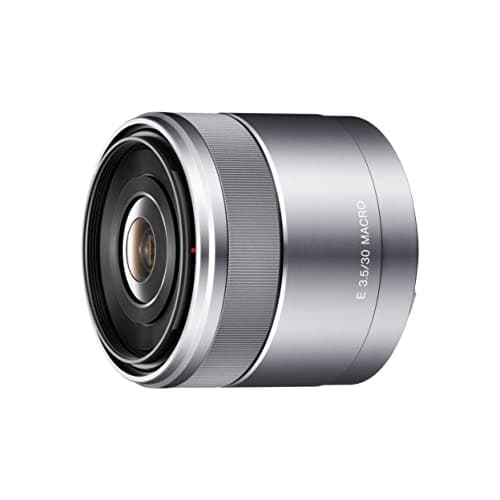
For a beginner who wants to try close-up photography cheaply, the Sony E 30mm f/3.5 Macro is the easiest way in: it is the least expensive true 1:1 macro you can buy, it is tiny, and it fits the popular APS-C Sony bodies — as long as you can live with getting very close to your subject. If you can stretch, the Tamron 90mm f/2.8 is the lens you are least likely to outgrow, thanks to a far more comfortable working distance. Macro has two numbers that matter more than sharpness, so let's start there.

The first number is magnification, written as a ratio. A true macro lens reaches 1:1, which means it reproduces a subject at life size on the sensor — a five-millimeter insect fills five millimeters of the sensor, so it looks huge in the final image. That is the real benchmark, and it is what separates a genuine macro lens from a lens that merely "focuses close." A lens rated 0.5x (half life-size) gets you halfway there and is great for flowers and food, but it will not fill the frame with tiny subjects the way a 1:1 lens does. Four of the five picks here are true 1:1; the fifth is an honest, versatile 0.5x.

The second number, and the one beginners overlook, is working distance — the gap between the front of the lens and your subject when you are focused at maximum magnification. A short macro like a 30mm or 50mm forces you to get within a few centimeters of the subject at 1:1, which sounds fine until you try it: you block your own light, cast a shadow over the shot, and send any living creature scurrying away. A longer macro like a 90mm gives you far more room to light the scene and to photograph skittish subjects like insects without scaring them. Working distance is the single biggest reason a beginner ends up wishing they had bought the longer lens.

A third quality to understand is depth of field. At macro distances the plane of sharp focus becomes incredibly thin — often just millimeters — so even at a moderate aperture only a sliver of your subject is sharp. That is why macro shooters routinely stop down to f/8, f/11 or beyond for more depth, which in turn means less light reaching the sensor. It is also why a macro lens's maximum aperture matters less than on other lenses: you rarely shoot a close-up wide open. For a beginner, the practical takeaways are to use a tripod when you can, focus with great care, and expect to stop down.

It is worth knowing that macro is as much about patience and light as about the lens. The most striking close-ups come from careful focus and soft, controlled light on a subject that fills the frame — a dew-covered leaf, the texture of a coin, the eye of an insect. None of that needs expensive gear, but it does reward slowing down. Every lens here is sharp enough to reveal detail your eye cannot see; the difference between a flat record shot and a photograph you are proud of is usually technique, which is the cheapest upgrade of all.

A note on scope and mounts. These picks span systems: the cheapest 1:1 is a Sony APS-C lens, there are full-frame 1:1 options for Sony and Nikon, a versatile half-macro for Canon RF, and the step-up Tamron for Sony full-frame. Many macro lenses double as excellent normal or short-telephoto primes for everyday shooting, which makes them easier to justify. Buy the version built for your camera, and read the working-distance notes closely — they matter more than any spec sheet suggests.

The short answer

Quick picks

#ProductBest forScorePrice
01
Sony Sony E 30mm F3.5 Macro
Sony E 30mm F3.5 Macro

The cheapest way into true 1:1 macro on Sony APS-C — a tiny, sharp lens that fills the frame with small subjects, as long as you can live with getting very close to them.

The cheapest true 1:1 macro
6.8
$355.95Amazon
02
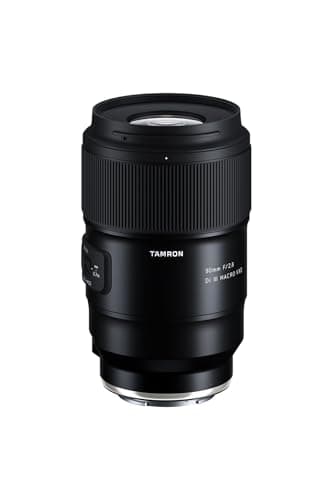
Tamron Tamron 90mm F2.8 Di III Macro
Tamron 90mm F2.8 Di III Macro

The macro lens beginners are least likely to outgrow: a true 1:1 with the long, comfortable working distance that makes close-ups of living things actually enjoyable, plus fast modern autofocus.

The best macro working distance
7.8
$699.00Amazon
03
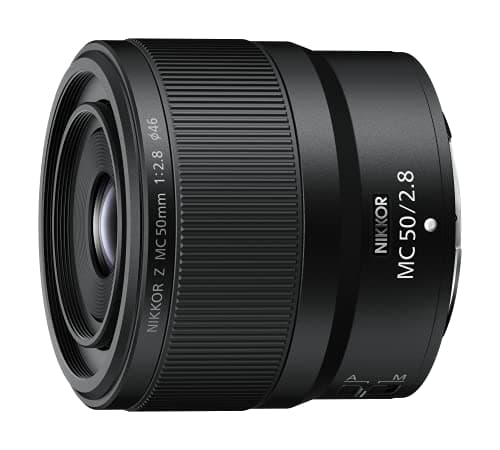
Nikon Nikon Z MC 50mm f/2.8
Nikon Z MC 50mm f/2.8

The macro lens that pulls double duty: a true 1:1 close-up lens on Nikon Z that also works as a sharp, weather-sealed 50mm normal prime for everyday shots.

The best Nikon Z macro
7.4
$666.95Amazon
04
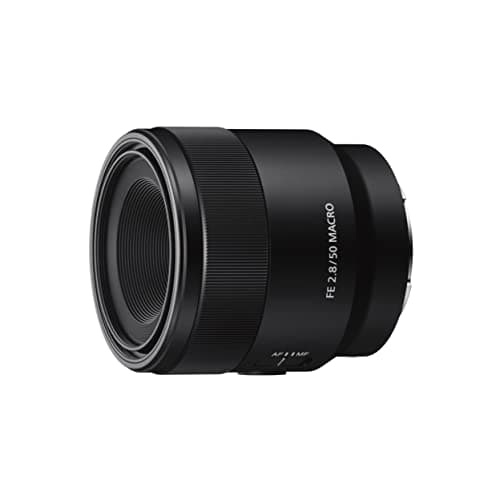
Sony Sony FE 50mm F2.8 Macro
Sony FE 50mm F2.8 Macro

A true 1:1 macro for Sony full-frame that is sharp and affordable — a fine way into close-up work, provided you can accept older, slower autofocus.

The Sony full-frame 1:1 macro
7.0
$698.00Amazon
05
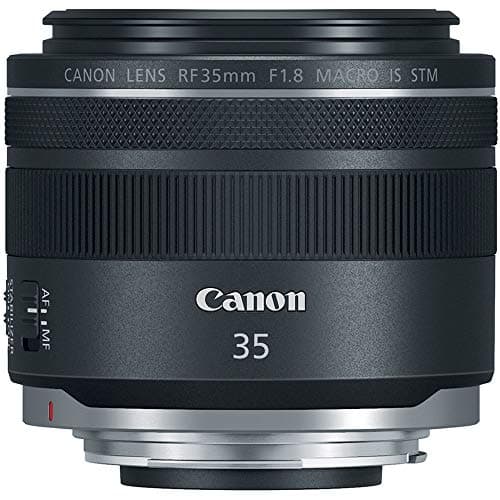
Canon Canon RF 35mm F1.8 Macro IS STM
Canon RF 35mm F1.8 Macro IS STM

The most versatile single lens in the RF range for beginners: a bright 35mm that shoots everyday scenes, half-size close-ups and stabilized video, and rarely needs to leave the camera.

The most versatile everyday RF prime
7.8
$499.00Amazon

#ad · Live prices from the Amazon Product API, as of Sep 4, 2026. Where we have no verified live price, we show none — we would rather leave a gap than print a number that has rotted.

In detail

The picks, in full

01
Sony Sony E 30mm F3.5 Macro

The cheapest true 1:1 macro

Sony E 30mm F3.5 Macro

30mm f/3.5 (1:1 macro)Sony E mount (APS-C)1:1 magnificationVery light
6.8/10

The cheapest way into true 1:1 macro on Sony APS-C — a tiny, sharp lens that fills the frame with small subjects, as long as you can live with getting very close to them.

Sharpness
8
Autofocus
6
Aperture & bokeh
5
Build & size
6
Value
9

Pros

  • Delivers true 1:1 magnification — it reproduces small subjects at life size on the sensor, the real macro benchmark
  • One of the least expensive macro lenses you can buy, and very light, so it is an easy way to try close-up work
  • Sharp at close focus and doubles as a compact ≈45mm-equivalent everyday prime

Cons

  • The working distance at 1:1 is tiny — you shoot almost touching the subject, which blocks light and scares off insects
  • f/3.5 is slow and the older autofocus hunts in close-up and low light

Don't buy this if…

you want to photograph living subjects like bugs, or need comfortable room to light your shot. The very short working distance is this lens's real limit — a longer macro like the Tamron 90mm gives far more space.

$355.95View on Amazon

Price as of Sep 4, 2026. Prices change — Amazon's is the one that counts.

#ad · we may earn a commission from this link to Sony E 30mm F3.5 Macro

02
Tamron Tamron 90mm F2.8 Di III Macro

The best macro working distance

Tamron 90mm F2.8 Di III Macro

90mm f/2.8 (1:1 macro)Sony E mount (full-frame)VXD linear AFLonger working distance
7.8/10

The macro lens beginners are least likely to outgrow: a true 1:1 with the long, comfortable working distance that makes close-ups of living things actually enjoyable, plus fast modern autofocus.

Sharpness
9
Autofocus
8
Aperture & bokeh
7
Build & size
8
Value
7

Pros

  • The 90mm focal length gives a long working distance at 1:1, so you can light your subject and shoot insects without scaring them off
  • Fast, quiet VXD linear autofocus — a big step up from older macro lenses for both close-ups and everyday use
  • Superb sharpness and lovely background blur, and it doubles as a short-telephoto portrait lens

Cons

  • Bigger and pricier than the shorter macro primes — it is a step-up buy, not the cheapest entry
  • The longer focal length is less handy as an all-day walk-around lens than a 50mm

Don't buy this if…

you want the smallest, cheapest way to try macro. The shorter 1:1 lenses cost less and pack smaller — the Tamron's length and price buy you the working distance that matters most.

$699.00View on Amazon

Price as of Sep 4, 2026. Prices change — Amazon's is the one that counts.

#ad · we may earn a commission from this link to Tamron 90mm F2.8 Di III Macro

03
Nikon Nikon Z MC 50mm f/2.8

The best Nikon Z macro

Nikon Z MC 50mm f/2.8

50mm f/2.8 (1:1 macro)Nikon Z mount (full-frame)1:1 magnificationWeather-sealed
7.4/10

The macro lens that pulls double duty: a true 1:1 close-up lens on Nikon Z that also works as a sharp, weather-sealed 50mm normal prime for everyday shots.

Sharpness
9
Autofocus
7
Aperture & bokeh
6
Build & size
8
Value
7

Pros

  • True 1:1 magnification for frame-filling close-ups, with excellent sharpness across the range
  • Doubles as a normal 50mm prime for everyday photos and portraits, so it earns its place in the bag
  • Weather-sealed build, a reassuring step up from the budget macro options

Cons

  • The 50mm focal length gives a shorter working distance than a 90mm macro, so you shoot closer to the subject
  • f/2.8 and macro-focused autofocus mean it is not the fastest lens for action

Don't buy this if…

you mainly shoot skittish live subjects and want maximum working distance. A longer 90mm macro lets you keep more distance — the 50mm is the more versatile all-rounder, not the specialist.

$666.95View on Amazon

$719.957% off

Price as of Sep 4, 2026. Prices change — Amazon's is the one that counts.

#ad · we may earn a commission from this link to Nikon Z MC 50mm f/2.8

04
Sony Sony FE 50mm F2.8 Macro

The Sony full-frame 1:1 macro

Sony FE 50mm F2.8 Macro

50mm f/2.8 (1:1 macro)Sony E mount (full-frame)1:1 magnificationFocus-range limiter
7.0/10

A true 1:1 macro for Sony full-frame that is sharp and affordable — a fine way into close-up work, provided you can accept older, slower autofocus.

Sharpness
9
Autofocus
6
Aperture & bokeh
6
Build & size
7
Value
7

Pros

  • True 1:1 magnification with the sharpness macro shooters expect, on full-frame Sony bodies
  • A focus-range limiter switch stops the lens hunting across its whole range, speeding up focus
  • Usable as a normal 50mm prime for everyday shots when you are not shooting close-ups

Cons

  • The autofocus is older, slower and audibly noisy — a real weak point compared with newer macros
  • The 50mm length gives a short working distance, so you shoot close to the subject

Don't buy this if…

you shoot much video or fast subjects. The dated, noisy autofocus is this lens's flaw — a newer macro like the Tamron 90mm focuses far better and keeps more distance.

$698.00View on Amazon

Price as of Sep 4, 2026. Prices change — Amazon's is the one that counts.

#ad · we may earn a commission from this link to Sony FE 50mm F2.8 Macro

05
Canon Canon RF 35mm F1.8 Macro IS STM

The most versatile everyday RF prime

Canon RF 35mm F1.8 Macro IS STM

35mm f/1.8Canon RF mount (full-frame)0.5x macro + Hybrid ISSTM autofocus
7.8/10

The most versatile single lens in the RF range for beginners: a bright 35mm that shoots everyday scenes, half-size close-ups and stabilized video, and rarely needs to leave the camera.

Sharpness
8
Autofocus
7
Aperture & bokeh
8
Build & size
7
Value
9

Pros

  • The 35mm focal length is a superb all-rounder — wide enough for street, interiors and group shots, natural for everyday photos
  • 0.5x half-macro focusing plus Hybrid IS lets you shoot detailed close-ups handheld, something no kit lens manages
  • A fast f/1.8 aperture brightens indoor shots and blurs backgrounds far more than a kit zoom

Cons

  • Its close-up magnification is 0.5x (half life-size), not the true 1:1 of a dedicated macro lens
  • STM autofocus can slow and hunt at the closest macro distances, and the front element extends as it focuses

Don't buy this if…

you want frame-filling, true 1:1 macro of tiny subjects like insects and jewelry. This is a versatile half-macro, not a specialist — a dedicated 1:1 macro lens fills the frame with far smaller subjects.

$499.00View on Amazon

$589.0015% off

Price as of Sep 4, 2026. Prices change — Amazon's is the one that counts.

#ad · we may earn a commission from this link to Canon RF 35mm F1.8 Macro IS STM

How to choose a macro lens

Macro rewards a different set of priorities than any other lens. Sharpness is almost a given — macro lenses are among the sharpest made — so the real decisions are about magnification, working distance, focal length and how much everyday use you want from the lens. Get those right and close-up photography becomes one of the most rewarding things you can do with a camera.

Insist on true 1:1 (or know what you are giving up)

If frame-filling shots of tiny things are the goal, buy a true 1:1 macro. It is the difference between a jewelry detail or a bee's eye filling the frame and merely getting "quite close." Four picks here — the Sony E 30mm, Nikon Z MC 50mm, Sony FE 50mm and Tamron 90mm — reach true 1:1. The Canon RF 35mm f/1.8 Macro is the honest exception at 0.5x: a superb, versatile everyday lens that also does half-life-size close-ups, but not a specialist for the smallest subjects. If you want a macro that pulls double duty and mostly shoots flowers, food and product shots, 0.5x is plenty; if you want insects and fine detail, hold out for 1:1.

Working distance is the decision beginners regret

This is the most important practical factor, and the one least visible on a spec sheet. A short macro (30mm or 50mm) puts you within a couple of centimeters of your subject at 1:1, so your lens blocks the light and you spook anything alive. A longer macro (the 90mm Tamron) lets you shoot from much further back, leaving room to light the scene and to photograph shy subjects. For static subjects on a table — coins, jewelry, food — a short macro is fine and cheaper. For flowers with bugs on them, or anything that moves, the extra working distance of a 90mm is worth every penny, which is exactly why it is the lens people graduate to.

Focal length: short, normal or telephoto macro?

Macro lenses come in three rough lengths, each with a personality. A short macro like the Sony E 30mm is compact, cheap and doubles as a normal everyday prime, but has the tightest working distance. A normal macro around 50mm (the Nikon Z MC 50mm, Sony FE 50mm) balances close-up work with use as a standard prime, and gives a bit more room. A telephoto macro like the 90mm Tamron offers the best working distance and lovely background blur, and doubles as a short-telephoto portrait lens — the most capable, but the largest and priciest. Match the length to whether you value compactness, versatility or working distance most.

Aperture and depth of field in macro

Do not overweight a macro lens's maximum aperture. Because depth of field is razor-thin up close, you will usually stop down to f/8 or f/11 for enough of your subject to be sharp, so an f/2.8 macro and an f/3.5 macro behave much the same at the settings you actually use. What that slightly wider aperture does buy you is a brighter viewfinder and better use as an everyday non-macro lens. So judge a macro on its magnification, working distance and focus performance first, and treat the maximum aperture as a minor tiebreaker rather than the headline spec you would chase on a portrait or low-light lens.

How the picks compare

The Sony E 30mm f/3.5 leads for beginners on a budget: it is the cheapest true 1:1 macro and fits the common APS-C Sony bodies, with the honest catch of a tiny working distance. The Tamron 90mm f/2.8 is the one to buy if you can stretch — a true 1:1 with the long, comfortable working distance and fast modern autofocus that make macro genuinely enjoyable, and it doubles as a portrait lens. The Nikon Z MC 50mm f/2.8 is the versatile Nikon pick, a weather-sealed 1:1 that is also a fine everyday 50mm. The Sony FE 50mm f/2.8 is the full-frame Sony 1:1, sharp and affordable but held back by older, noisy autofocus. And the Canon RF 35mm f/1.8 Macro is the versatile 0.5x half-macro — not a true 1:1, but a brilliant everyday RF prime that also does close-ups.

Kit, lighting and technique

A macro lens is only half of great close-up work; technique carries the rest. Depth of field is so shallow that a tripod transforms your results, letting you focus precisely and stop down without blur. Lighting matters just as much — which is another argument for a longer lens, since a short macro so close to the subject blocks the very light you need. Focus manually or use your camera's focus magnifier for the last critical millimeters, and take several frames at slightly different focus points to be sure one is sharp. None of this needs expensive gear; a basic tripod and patience do most of the work.

Does it double as an everyday lens?

One of the nicest things about macro lenses is that most are excellent general-purpose primes too, which makes the purchase far easier to justify. The Nikon Z MC 50mm and Sony FE 50mm are proper normal primes when you are not shooting close-ups; the Tamron 90mm is a lovely short-telephoto portrait lens; and the Canon RF 35mm Macro is a genuine everyday do-everything prime. Only the Sony E 30mm is more of a specialist, though even it works as a compact ≈45mm-equivalent walk-around. If you want one lens that shoots close-ups and everyday scenes, any of the 50mm or longer options here earns its place in the bag.

Cheaper ways to try macro first

If you are not sure macro will grab you, there are two low-cost ways to test the water before buying a dedicated lens. Extension tubes are hollow rings that fit between your camera and a lens you already own, letting it focus much closer for greater magnification — the good ones keep autofocus and cost a fraction of a macro lens. Close-up filters screw onto the front of a lens like a magnifying glass and are cheaper still, though they soften image quality more. Neither matches a true macro lens for sharpness or convenience, but both are a sensible, inexpensive way to discover whether close-up photography is for you before you commit.

Mount, budget and next steps

To choose: confirm your mount, decide how small your subjects are (true 1:1 for insects and fine detail, 0.5x is fine for flowers and food), and weigh working distance against price and size. On a tight budget and APS-C Sony, the 30mm gets you started; if you can invest and want the lens you will keep, the 90mm Tamron is the pick. Because macro lenses double as everyday primes, our best portrait lenses is a natural next read for the longer options, and if you also shoot Canon, our best Canon RF lenses covers the RF 35mm Macro in its full context. Unsure how your sensor affects framing? The APS-C vs full-frame guide explains it.

How we picked

We do not run a testing lab

We compiled the manufacturers' published specifications and manuals, did the cost math, and scored each product against a published rubric. The scores are judgments from that documented research — they are notmeasurements we took, because we do not have a lab and we are not going to pretend we do. Where a number came from someone else's testing, we name and link them in Sources.

Questions

Frequently asked

What is the best macro lens for beginners in 2026?
For a beginner on a budget, the Sony E 30mm f/3.5 Macro is the easiest way in: it is the cheapest true 1:1 macro and fits the popular APS-C Sony bodies, though its working distance is very short. If you can spend more, the Tamron 90mm f/2.8 is the lens you are least likely to outgrow — its longer working distance makes macro far more enjoyable, and it doubles as a portrait lens.
What does 1:1 magnification mean, and do I need it?
1:1 (true macro) means the lens reproduces a subject at life size on the sensor, so a tiny insect fills the frame. It is the real macro benchmark. A 0.5x lens like the Canon RF 35mm Macro gets you half life-size — great for flowers and food, but it won't fill the frame with the smallest subjects. If you want to photograph insects or fine detail, insist on 1:1; for larger close-ups, 0.5x is plenty.
Why does working distance matter for macro?
Working distance is the gap between the lens and your subject at maximum magnification. A short macro (30mm or 50mm) puts you within a couple of centimeters, so you block your own light and scare off anything alive; a longer 90mm macro gives room to light the scene and shoot skittish insects. It is the factor beginners most often wish they had prioritized — see our best portrait lenses for how a 90mm doubles as a portrait lens.
Can a macro lens be used for everyday photography?
Yes — most macro lenses are excellent general-purpose primes too. The Nikon Z MC 50mm and Sony FE 50mm work as normal primes, the Tamron 90mm is a lovely short-telephoto portrait lens, and the Canon RF 35mm Macro is a genuine everyday do-everything lens. That versatility makes a macro lens easy to justify, since it earns its place in the bag beyond close-up work.
Do I need a dedicated macro lens, or can I use extension tubes?
Extension tubes and close-up filters are cheap ways to make a lens you already own focus closer, and they're a good way to test whether macro appeals to you. But neither matches a true macro lens for sharpness, working distance or convenience. If you find you love close-up work, a dedicated 1:1 macro lens is the upgrade — start with an affordable one like the Sony E 30mm and step up to a 90mm when working distance starts to matter.
What is the best macro lens if I mostly shoot flowers and food?
For flowers, food and product close-ups, you don't necessarily need a true 1:1 macro or a long working distance, so the versatile options shine. The Canon RF 35mm f/1.8 Macro (0.5x) is ideal on Canon — it doubles as an everyday lens and gets close enough for most flowers and plates. On other systems, a 50mm 1:1 like the Nikon Z MC 50mm or Sony FE 50mm gives frame-filling detail plus normal-lens versatility. Save the 90mm Tamron's extra working distance for skittish live subjects like insects.

Keep reading

Receipts

Sources

We do not run a testing lab, and we do not pretend to. Specs come from manufacturer sheets and manuals; where a figure came from someone else's measurement, we name and link them. Where we could not verify something, we say so on the page rather than quietly leaving it out. Read our full method.