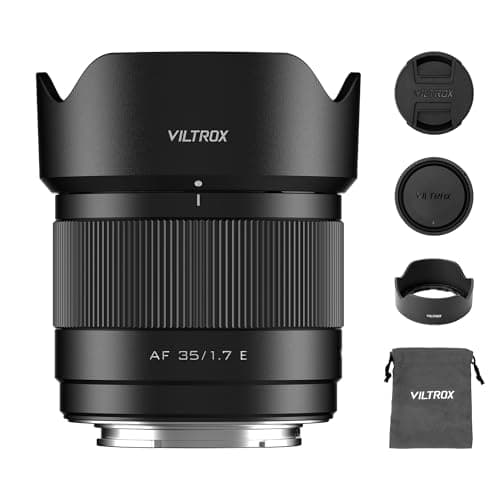
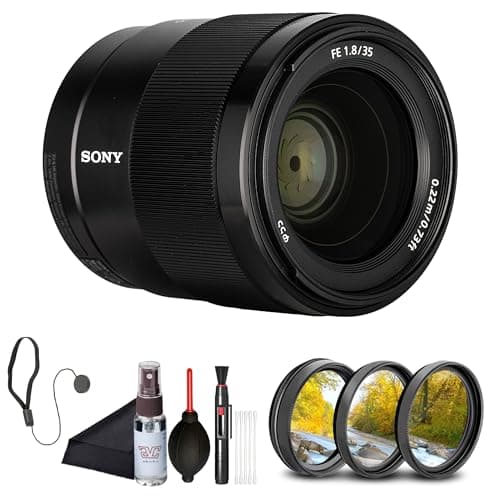
For most full-frame Sony shooters, the Sony FE 35mm f/1.8 is the best 35mm to buy: it is light, sharp, and its fast linear-motor autofocus makes it the do-everything prime that stays on the camera for street, travel and everyday life. If your budget is tight, the ultralight Viltrox AF 35mm f/1.7 Air delivers most of that look for a fraction of the price. The 35mm is arguably the most useful single focal length there is — here is why, and which one fits your camera.
The 35mm sits in a sweet spot between wide and normal. It is wide enough to show where you are — the room, the street, the landscape around your subject — but natural enough that it does not distort or exaggerate the way an ultra-wide does. That balance is why it is the classic documentary and street focal length: it captures people in their surroundings, tells a story in a single frame, and works for almost everything from group shots to environmental portraits to a plate of food. Many photographers who own one prime own a 35mm.
A crucial caveat before you read the numbers: the 35mm look depends on your sensor size. On a full-frame camera, a 35mm lens gives that classic wide-normal field of view. On an APS-C (crop-sensor) body, the same 35mm lens frames tighter — like a ~53mm normal lens — so it is not the documentary 35mm at all. To get the true 35mm field of view on APS-C you actually want a ~24mm lens (or a 23mm on Fujifilm). That is the single most common point of confusion with this focal length, and our crop factor guide untangles it.
If you are torn between focal lengths, it helps to know where the 35mm sits among its neighbors. A 24mm is noticeably wider and more dramatic, better for landscapes and cramped interiors but prone to distorting faces up close. A 50mm is tighter and a touch more flattering for single-subject portraits, but it struggles to show much of a scene. The 35mm splits the difference — the reason so many photojournalists and street shooters have carried one for decades is that it renders the world close to how you remember being there, neither exaggerated nor cropped.
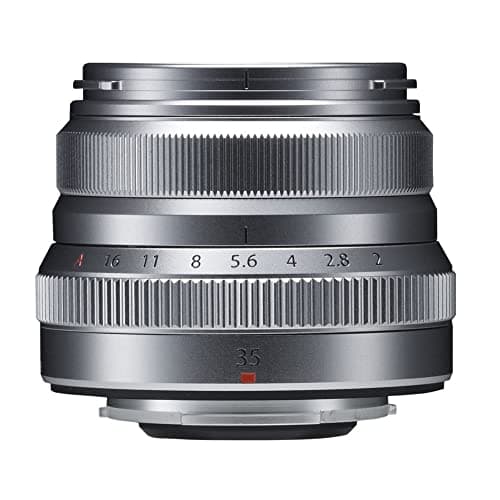
This roundup spans mounts and budgets, from an ultralight bargain to a near-professional S-line lens, so there is a 35mm here for most systems. Four of the five are full-frame lenses (Sony, Nikon and Sigma), where 35mm gives the true documentary view. The fifth, Fujifilm's XF 35mm f/2, is included because it is what a Fuji shooter reaches for by that name — but note it frames like a ≈53mm normal lens on the APS-C X system, so it is Fujifilm's nifty fifty rather than a documentary 35mm. If it is the 35mm field of view you want on Fujifilm, look to a 23mm instead in our best Fujifilm lenses guide.
How to choose a 35mm prime
With a 35mm the focal length is fixed, so the decision is about three things: your mount and sensor, how much aperture and autofocus you need, and how much you want to spend. Because all five here are good lenses, the ranking is less about which is "best" in the abstract and more about which fits your camera and budget — so start there.
First, match it to your sensor
The 35mm field of view — the wide-normal documentary look — only happens on a full-frame camera. If you shoot full-frame Sony, Nikon or another system, any of the full-frame 35mm primes here gives you that classic view. If you shoot APS-C, a 35mm lens frames like a ~53mm normal lens, which is lovely for everyday and portraits but is not the documentary 35mm you may be picturing — for that you want a ~24mm on crop-sensor Sony or a 23mm on Fujifilm. Settle this first, because it decides whether a 35mm is even the right number for you. Our crop factor guide makes it concrete.
Aperture: f/1.4, f/1.7 or f/2?
A 35mm is a low-light and everyday workhorse, so aperture matters, but the differences here are smaller than the numbers suggest. The Sony FE 35mm f/1.8 and Viltrox f/1.7 open widest of this group, gathering the most light and blurring backgrounds most; the Sigma f/2 and the Fujifilm f/2 trade a little speed for compactness and build. In truth, at a wide-normal focal length you rarely need more than f/1.8 — the background blur from a 35mm is gentler than from a portrait lens regardless — so do not overpay for the last fraction of a stop unless you shoot a lot in the dark. Our best low-light lenses covers when that extra speed genuinely pays off.
Autofocus and video
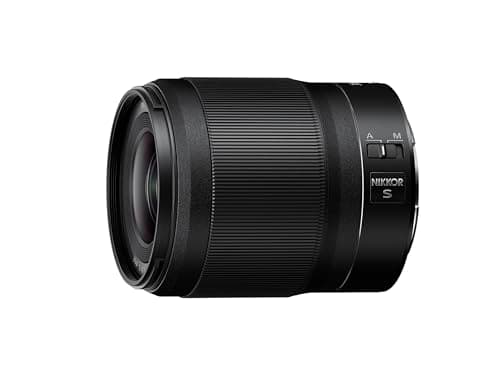
If you shoot much video or fast-moving subjects, autofocus is where these lenses separate. The Sony FE 35mm f/1.8 and the Nikon Z 35mm f/1.8 S use quick, quiet, modern focus motors with minimal focus breathing, making them strong for video as well as stills. The Sigma and Viltrox use stepping motors that are perfectly good for everyday photography but a small step behind for demanding action. For a lens you will mostly point at streets, travel scenes and people, any of them is fine; for run-and-gun video, favor the Sony or Nikon.
Build, handling and character
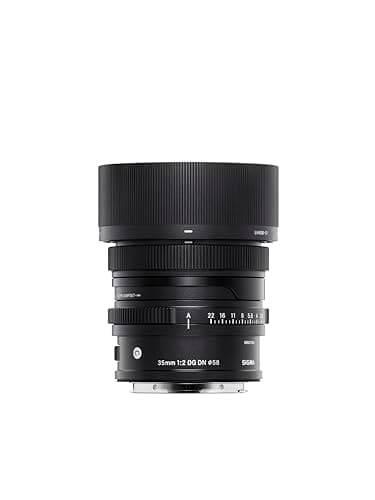
Not every 35mm is trying to be the same lens. The Sigma 35mm f/2 DG DN is the connoisseur's pick — an all-metal I-series body with a physical aperture ring that feels far pricier than it is, and characterful rendering to match. The Nikon Z 35mm f/1.8 S is the sharpest and most weather-resistant, built to near-professional standards. The Sony FE 35mm f/1.8 is the practical all-rounder, light and quick without much fuss. And the Viltrox Air is the featherweight bargain, stripping out the aperture ring and sealing to hit its remarkable price. Decide whether you want a lens that feels special in the hand or one that simply does the job for the least money.
How the picks compare
The Sony FE 35mm f/1.8 leads as the best all-rounder for the largest audience: light, sharp, fast-focusing and fairly priced. The Viltrox AF 35mm f/1.7 Air is the budget champion — the cheapest way onto a full-frame 35mm, and astonishingly light for travel and gimbals. The Sigma 35mm f/2 DG DN is the pick for those who want a beautifully built, compact lens with an aperture ring. The Nikon Z 35mm f/1.8 S is the sharpest and the obvious choice on Nikon Z, though it costs more. And the Fujifilm XF 35mm f/2 rounds out the list for X-mount shooters, with the honest caveat that on APS-C it frames like a ≈53mm normal lens rather than a documentary 35mm.
The 35mm for video and vlogging
The 35mm is a favorite for video, and on full-frame it is wide enough to vlog at arm's length while still looking natural rather than distorted. For that use, autofocus and focus breathing matter most: the Sony FE 35mm f/1.8 and Nikon Z 35mm f/1.8 S focus smoothly and breathe little, which keeps the framing steady as focus shifts. The lightweight Viltrox Air is a gift for gimbals and long handheld clips. Just remember that on an APS-C body a 35mm frames tighter — closer to a normal lens — so for wide selfie-style vlogging on crop-sensor cameras you would want something wider, as our best vlogging lenses guide covers.
Budget, mid-range or premium: where to spend
The 35mm primes here span a wide price range, and the good news is that even the cheapest takes lovely photos. The Viltrox AF 35mm f/1.7 Air is the budget champion — buy it if you want the 35mm look for the least money and can live without an aperture ring or weather sealing. The Sony FE 35mm f/1.8 and Sigma 35mm f/2 sit in the sensible middle, adding better autofocus, build or handling for a moderate step up. The Nikon Z 35mm f/1.8 S is the premium option, worth it if you shoot Nikon and want the sharpest, most weather-resistant lens. For most beginners the budget or mid-range picks are the smart money; the premium lens earns its price only if you shoot demanding work.
Common 35mm buying mistakes
Two mistakes are common. The first is buying a 35mm for an APS-C camera expecting the documentary wide view, then finding it frames like a normal ~53mm lens — if you shoot crop-sensor and want the true 35mm look, buy a ~24mm instead. The second is overpaying for a fraction of a stop of aperture: at a wide-normal focal length the background blur is gentle regardless, so an f/1.8 lens gives nearly the same look as an f/1.4 for less money and weight. Match the lens to your sensor and resist chasing specs you will not notice, and any of these will serve you for years.
Where a 35mm fits in your kit
A 35mm is one of the two or three primes most photographers eventually own, and it pairs naturally with a 50mm or an 85mm. If a 35mm is your first prime, it is a superb everyday choice — more flexible than a 50mm for tight spaces and storytelling. If you already own a nifty fifty, a 35mm adds the wider, more contextual view for street and travel. See our best 50mm primes for its natural companion, and our best portrait lenses for the longer primes that flatter faces when a 35mm is a touch wide for a headshot.
Mount, budget and next steps
To choose confidently: confirm your mount and sensor, decide whether you want the aperture and autofocus of the Sony or Nikon or the value of the Viltrox, and buy the version made for your camera — a lens only fits the system it is built for. On full-frame the 35mm gives its classic documentary view; on APS-C remember it frames tighter, and a 23-24mm is the true-35mm alternative in our best Fujifilm lenses and best wide-angle lenses guides. Whichever you pick, the 35mm is a focal length you will grow into rather than out of.