Skip to content
Focal & Frame

Glass · Lenses

The Best Lens Under $1,000

This is the band where one lens can be the last one you buy for years. Eight lenses with a live price under the line - and an honest note on which of them you do not need.

By Stephen V.Updated How we research
#ad

We earn a commission when you buy through our Amazon links, at no extra cost to you. It never decides our rankings — we say so when the cheaper pick is the better buy. How this works.

Tamron Tamron 17-70mm F2.8

Our #1 pick

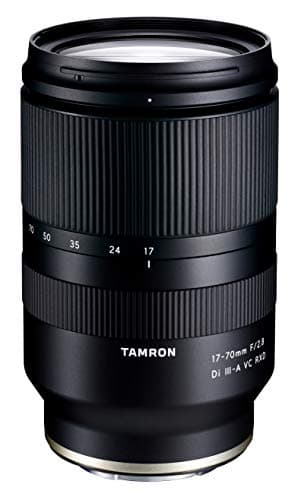
Tamron 17-70mm F2.8

One lens that covers almost everything: a stabilized constant-f/2.8 zoom with a genuinely useful wide-to-short-telephoto range for APS-C.

Don't buy it if you want the smallest, lightest setup for a gimbal or travel. The Sigma 18-50mm f/2.8 is far more compact; the Tamron trades size for reach and stabilization.

#ad · Live Amazon price as of November 21, 2026. No verified price → we show none.

The best lens under $1,000 is the Tamron 17-70mm F2.8 Di III-A VC RXD. It holds a constant f/2.8 across a 17-70mm range — about 25.5-105mm equivalent on APS-C — and it has built-in VC stabilization, which almost nothing else at this price offers. One lens covers wide scenes, everyday shots and short-telephoto portraits, and it steadies handheld video on bodies that have no in-body stabilization. If you shoot wide — landscapes, interiors, astro, vlogging — the Sigma 10-18mm F2.8 DC DN is the pick instead. Our budget pick is the Fujifilm XF 35mm F2 R WR, the cheapest lens we rank here and a weather-resistant metal prime that costs a fraction of the ceiling. Prices come from the live price layer with an "as of" date; where there is no verified price, we show none.

Under $1,000 is a different kind of budget from the ones below it. Under $200 you are buying your first prime and the field is thin. Under $500 you are choosing between a fast prime and a constant-aperture zoom, and both answers are good — that band is ranked separately in best lens under $500. Up here the decision changes shape again: nothing on this page is a compromise lens, so the question is no longer "what can I afford" but "which single specialist do I want". A fast ultra-wide zoom, a true 1:1 macro, a weather-sealed S-line prime and an 8.3x travel zoom are all inside the ceiling, and they are for completely different photographers.

Which means the most useful thing we can tell you first is who should not spend this much. If you are still shooting the kit lens that came with your camera, the biggest improvement available to you costs about half of this ceiling, not all of it — the Sigma 18-50mm F2.8 on the under-$500 page does most of what our top pick here does, in a smaller body. The lenses below earn their price when you already know what you shoot and the kit lens is specifically stopping you: too slow indoors, not wide enough, will not focus close enough, not sharp enough at the edges. If you cannot name which of those is your problem, buy the cheaper lens and spend the difference on anything else.

The short answer

Quick picks

#ProductBest forScorePrice
01
Tamron Tamron 17-70mm F2.8
Tamron 17-70mm F2.8

One lens that covers almost everything: a stabilized constant-f/2.8 zoom with a genuinely useful wide-to-short-telephoto range for APS-C.

The do-it-all stabilized zoom
7.2
Check price →
02
Sigma Sigma 10-18mm F2.8 DC DN
Sigma 10-18mm F2.8 DC DN

The fast ultra-wide zoom APS-C shooters have wanted: a constant f/2.8 across the whole range in a tiny body, wide enough for landscapes and interiors and bright enough for astro.

The best fast ultra-wide zoom for APS-C
8.0
$729.00Amazon
03
Sony Sony E PZ 10-20mm F4 G
Sony E PZ 10-20mm F4 G

A pocket-sized ultra-wide power zoom built for video: tiny, internally zooming, and wide enough to vlog or capture cramped interiors with ease.

The best ultra-wide for video
7.2
$848.00Amazon
04
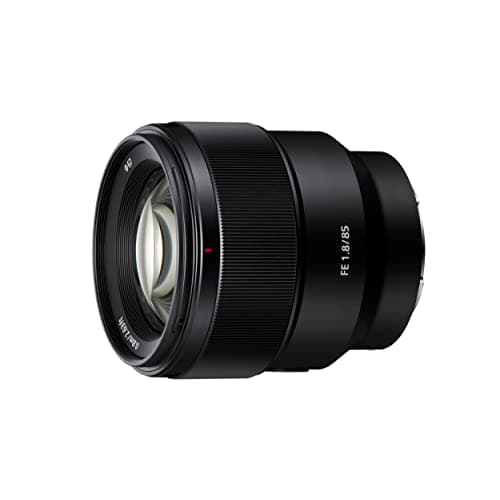
Sony Sony FE 85mm F1.8
Sony FE 85mm F1.8

The classic portrait telephoto for Sony full-frame: fast, confident autofocus and lovely f/1.8 rendering in a lens that stays reasonably priced.

The full-frame portrait classic
8.2
$648.00Amazon
05
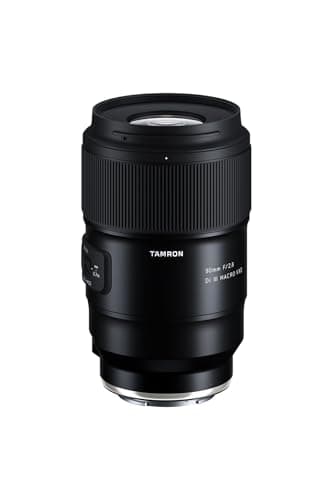
Tamron Tamron 90mm F2.8 Di III Macro
Tamron 90mm F2.8 Di III Macro

The macro lens beginners are least likely to outgrow: a true 1:1 with the long, comfortable working distance that makes close-ups of living things actually enjoyable, plus fast modern autofocus.

The best macro working distance
7.8
$699.00Amazon
06
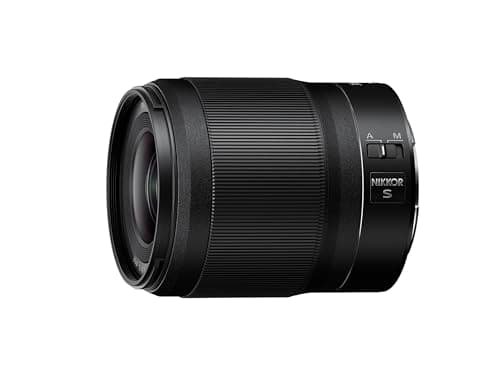
Nikon Nikon Z 35mm f/1.8 S
Nikon Z 35mm f/1.8 S

The sharpest 35mm here and the one to own on Nikon Z: S-line optics, near-silent autofocus and weather sealing in a lens that costs more but earns it.

The sharpest 35mm, for Nikon Z
7.8
$746.95Amazon
07
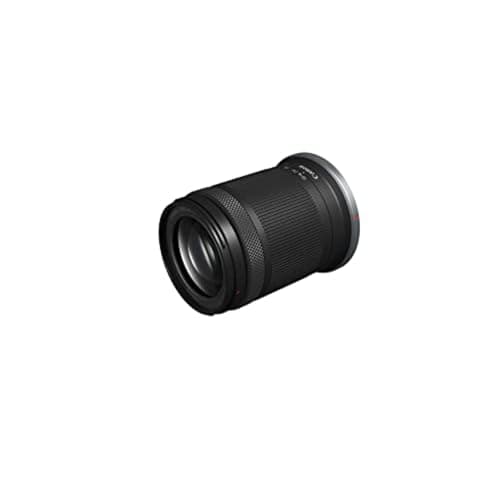
Canon Canon RF-S 18-150mm F3.5-6.3 IS STM
Canon RF-S 18-150mm F3.5-6.3 IS STM

The one-lens travel companion for Canon APS-C: an 8.3x zoom that goes from wide to real telephoto so you rarely swap glass — convenience is the whole point, and it delivers it.

The best all-in-one zoom for Canon APS-C
6.0
$569.00Amazon
08
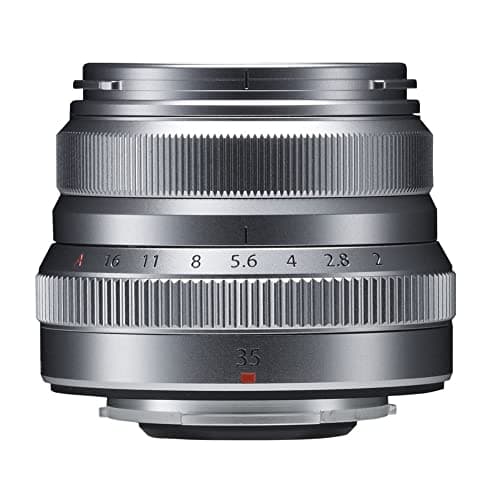
Fujifilm Fujifilm XF 35mm F2 R WR
Fujifilm XF 35mm F2 R WR

Fujifilm's nifty fifty: a 35mm that frames like a 53mm on the X-system, wrapped in a weather-resistant metal body that punches above its price.

The nifty fifty for Fujifilm X
8.0
$399.00Amazon

#ad · Live prices from the Amazon Product API, as of November 21, 2026. Where we have no verified live price, we show none — we would rather leave a gap than print a number that has rotted.

In detail

The picks, in full

01
Tamron Tamron 17-70mm F2.8

The do-it-all stabilized zoom

Tamron 17-70mm F2.8

17-70mm f/2.8 (constant)Sony E, Fuji X, Canon RF, Nikon Z (APS-C)VC image stabilization67mm filter thread
7.2/10

One lens that covers almost everything: a stabilized constant-f/2.8 zoom with a genuinely useful wide-to-short-telephoto range for APS-C.

Sharpness
8
Autofocus
8
Aperture & bokeh
6
Build & size
6
Value
8

Pros

  • The 17-70mm range (≈25.5-105mm equivalent) covers wide scenes, everyday shots and short-telephoto portraits in one lens
  • Built-in VC stabilization steadies handheld video and low-light stills — a real advantage on cameras without in-body IS
  • Holds a constant f/2.8 throughout, so exposure and background blur stay consistent as you zoom

Cons

  • Large and heavy next to the Sigma 18-50mm — it's noticeably front-heavy on small bodies and gimbals
  • The extending zoom barrel and size make it less discreet for run-and-gun or travel

Don't buy this if…

…you want the smallest, lightest setup for a gimbal or travel. The Sigma 18-50mm f/2.8 is far more compact; the Tamron trades size for reach and stabilization.

Check price on Amazon →

No buyable offer at the last price check (November 21, 2026). We show nothing rather than a stale number.

#ad · we may earn a commission from this link to Tamron 17-70mm F2.8

02
Sigma Sigma 10-18mm F2.8 DC DN

The best fast ultra-wide zoom for APS-C

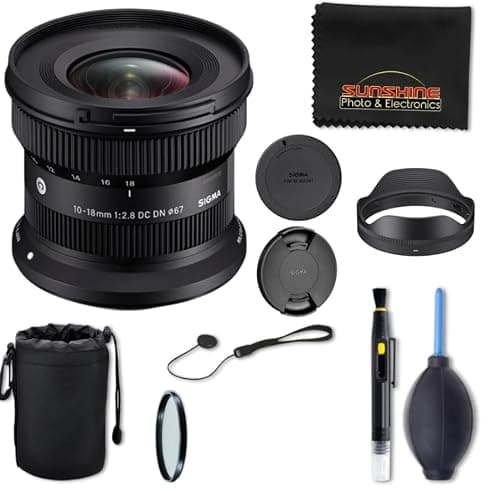
Sigma 10-18mm F2.8 DC DN

10-18mm f/2.8 (constant, ≈15-27mm equiv)Sony E mount (APS-C)Stepping-motor AFUltra-wide constant aperture
8.0/10

The fast ultra-wide zoom APS-C shooters have wanted: a constant f/2.8 across the whole range in a tiny body, wide enough for landscapes and interiors and bright enough for astro.

Sharpness
8
Autofocus
8
Aperture & bokeh
7
Build & size
8
Value
9

Pros

  • A constant f/2.8 across the 10-18mm (≈15-27mm equivalent) range is genuinely fast for an ultra-wide, so it works for astro and dim interiors
  • Ultra-wide framing for sweeping landscapes, architecture and vlogging, with the flexibility of a zoom
  • Remarkably small and light for a fast ultra-wide, with quick, quiet autofocus

Cons

  • APS-C only, with no stabilization — you lean on in-body IS or a gimbal for handheld video
  • Some distortion at the widest end that relies on in-camera correction, and it is pricier than a slow kit-style wide

Don't buy this if…

…you want the very brightest wide for astro or the strongest background blur. A fast wide prime like the Sigma 16mm f/1.4 opens wider still — the zoom trades some speed for framing flexibility.

$729.00View on Amazon

Price as of November 21, 2026. Prices change — Amazon's is the one that counts.

#ad · we may earn a commission from this link to Sigma 10-18mm F2.8 DC DN

03
Sony Sony E PZ 10-20mm F4 G

The best ultra-wide for video

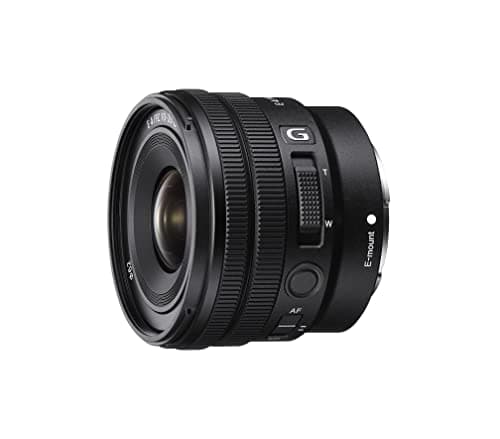
Sony E PZ 10-20mm F4 G

10-20mm f/4 (power zoom)Sony E mount (APS-C)Internal power zoomVery light (~178g)
7.2/10

A pocket-sized ultra-wide power zoom built for video: tiny, internally zooming, and wide enough to vlog or capture cramped interiors with ease.

Sharpness
8
Autofocus
8
Aperture & bokeh
4
Build & size
9
Value
7

Pros

  • The ultra-wide 10-20mm range (≈15-30mm equivalent) is superb for vlogging, interiors and sweeping landscapes
  • Very light, with internal zoom and power-zoom control, so the balance never shifts on a gimbal
  • Sharp and distortion-corrected across the frame, with fast, near-silent autofocus

Cons

  • f/4 is relatively slow, so it struggles in dim light and blurs backgrounds only a little
  • APS-C only, and the constant f/4 aperture limits low-light and shallow-depth work

Don't buy this if…

…you shoot in low light or want strong background separation. For dim rooms and blur, a fast wide prime like the Sony E 11mm f/1.8 or Sigma 16mm f/1.4 is the better tool.

$848.00View on Amazon

$949.9911% off

Price as of November 21, 2026. Prices change — Amazon's is the one that counts.

#ad · we may earn a commission from this link to Sony E PZ 10-20mm F4 G

04
Sony Sony FE 85mm F1.8

The full-frame portrait classic

Sony FE 85mm F1.8

85mm f/1.8Sony E mount (full-frame)Linear-motor AFFocus-hold button + AF/MF switch
8.2/10

The classic portrait telephoto for Sony full-frame: fast, confident autofocus and lovely f/1.8 rendering in a lens that stays reasonably priced.

Sharpness
8
Autofocus
9
Aperture & bokeh
9
Build & size
7
Value
8

Pros

  • The 85mm focal length is the traditional portrait length — flattering compression and a comfortable working distance from your subject
  • Fast, quiet linear-motor autofocus with reliable eye tracking, so more frames come back sharp
  • Smooth, pleasing background blur and natural skin rendering wide open

Cons

  • Bigger and heavier than the APS-C portrait primes — it's a full-frame lens and feels it
  • On an APS-C body it frames like a ~127mm, which is tight for anything but headshots

Don't buy this if…

…you shoot on an APS-C camera in tight spaces. The ≈127mm-equivalent reach forces you to back up a long way — a 56mm APS-C prime is the more usable portrait length on crop bodies.

$648.00View on Amazon

Price as of November 21, 2026. Prices change — Amazon's is the one that counts.

#ad · we may earn a commission from this link to Sony FE 85mm F1.8

05
Tamron Tamron 90mm F2.8 Di III Macro

The best macro working distance

Tamron 90mm F2.8 Di III Macro

90mm f/2.8 (1:1 macro)Sony E mount (full-frame)VXD linear AFLonger working distance
7.8/10

The macro lens beginners are least likely to outgrow: a true 1:1 with the long, comfortable working distance that makes close-ups of living things actually enjoyable, plus fast modern autofocus.

Sharpness
9
Autofocus
8
Aperture & bokeh
7
Build & size
8
Value
7

Pros

  • The 90mm focal length gives a long working distance at 1:1, so you can light your subject and shoot insects without scaring them off
  • Fast, quiet VXD linear autofocus — a big step up from older macro lenses for both close-ups and everyday use
  • Superb sharpness and lovely background blur, and it doubles as a short-telephoto portrait lens

Cons

  • Bigger and pricier than the shorter macro primes — it is a step-up buy, not the cheapest entry
  • The longer focal length is less handy as an all-day walk-around lens than a 50mm

Don't buy this if…

…you want the smallest, cheapest way to try macro. The shorter 1:1 lenses cost less and pack smaller — the Tamron's length and price buy you the working distance that matters most.

$699.00View on Amazon

Price as of November 21, 2026. Prices change — Amazon's is the one that counts.

#ad · we may earn a commission from this link to Tamron 90mm F2.8 Di III Macro

06
Nikon Nikon Z 35mm f/1.8 S

The sharpest 35mm, for Nikon Z

Nikon Z 35mm f/1.8 S

35mm f/1.8Nikon Z mount (full-frame)S-line opticsWeather-sealed
7.8/10

The sharpest 35mm here and the one to own on Nikon Z: S-line optics, near-silent autofocus and weather sealing in a lens that costs more but earns it.

Sharpness
9
Autofocus
8
Aperture & bokeh
8
Build & size
8
Value
6

Pros

  • Exceptionally sharp corner to corner, even wide open — it out-resolves the cheaper 35mm primes here
  • Fast, near-silent autofocus with minimal focus breathing, so it is excellent for video as well as stills
  • Weather-sealed and solidly built, a genuine step up in feel from the budget options

Cons

  • Bigger, heavier and much pricier than a typical f/1.8 prime — it is a premium lens, not a bargain
  • The performance only pays off on Nikon Z, and there is no cheaper native Nikon 35mm that matches it

Don't buy this if…

…you just want an affordable everyday 35mm. This is a near-professional lens at a near-professional price — if the budget is tight, a slower or third-party option gets you a similar look for far less.

$746.95View on Amazon

$796.956% off

Price as of November 21, 2026. Prices change — Amazon's is the one that counts.

#ad · we may earn a commission from this link to Nikon Z 35mm f/1.8 S

07
Canon Canon RF-S 18-150mm F3.5-6.3 IS STM

The best all-in-one zoom for Canon APS-C

Canon RF-S 18-150mm F3.5-6.3 IS STM

18-150mm f/3.5-6.3 (≈29-240mm equiv)Canon RF-S mount (APS-C)8.3x all-in-one zoomOptical Image Stabilizer
6.0/10

The one-lens travel companion for Canon APS-C: an 8.3x zoom that goes from wide to real telephoto so you rarely swap glass — convenience is the whole point, and it delivers it.

Sharpness
6
Autofocus
7
Aperture & bokeh
3
Build & size
6
Value
8

Pros

  • The 18-150mm range (≈29-240mm equivalent) covers wide scenes, portraits and distant subjects in a single lens — ideal for travel
  • Optical stabilization steadies both handheld stills and video, especially at the long end
  • Compact and light for its enormous range, so it stays on the camera all day

Cons

  • The variable f/3.5-6.3 aperture is slow, limiting low-light use and background blur
  • Image quality is a step behind a prime or a fast zoom — the compromise every superzoom makes for its reach

Don't buy this if…

…you care most about image quality or low-light shooting. A superzoom trades sharpness and aperture for convenience — a fast prime like the RF 50mm f/1.8 takes visibly better photos in dim light.

$569.00View on Amazon

Price as of November 21, 2026. Prices change — Amazon's is the one that counts.

#ad · we may earn a commission from this link to Canon RF-S 18-150mm F3.5-6.3 IS STM

08
Fujifilm Fujifilm XF 35mm F2 R WR

The nifty fifty for Fujifilm X

Fujifilm XF 35mm F2 R WR

35mm f/2 (≈53mm equivalent)Fujifilm X mount (APS-C)Weather-resistant (WR)Compact metal build
8.0/10

Fujifilm's nifty fifty: a 35mm that frames like a 53mm on the X-system, wrapped in a weather-resistant metal body that punches above its price.

Sharpness
8
Autofocus
8
Aperture & bokeh
7
Build & size
9
Value
8

Pros

  • The ≈53mm-equivalent field of view is the classic 'normal' look — natural, versatile, great for everyday and portraits
  • Weather-resistant metal construction feels far more premium than the plastic budget primes on other mounts
  • Fast, quiet autofocus and a compact shape that balances beautifully on small Fujifilm bodies

Cons

  • The front element extends slightly as it focuses, and close-up focus can be a touch slower than newer designs
  • f/2 gathers a little less light and blurs backgrounds a little less than the f/1.4 APS-C options

Don't buy this if…

…you want the absolute maximum background blur. On APS-C a faster f/1.4 prime on your system throws the background further out of focus — the trade is Fuji's lovely build and weather sealing.

$399.00View on Amazon

$449.0011% off

Price as of November 21, 2026. Prices change — Amazon's is the one that counts.

#ad · we may earn a commission from this link to Fujifilm XF 35mm F2 R WR

What we required of a lens to rank here

The ceiling is a live price under $1,000 read from the price layer, not a launch price. Within that, four things decided the order.

  1. It has to beat a kit lens at something specific. Every lens here is faster, wider, closer-focusing or sharper than the zoom that shipped with your camera, and we say which. A lens that is merely newer is not an upgrade.
  2. Aperture behavior across the zoom range. A constant f/2.8 keeps your exposure and your background blur the same at every focal length, which is why the two constant-aperture zooms sit at the top. A variable f/3.5-6.3 superzoom is a convenience tool, and we rank it as one rather than pretending otherwise.
  3. Stabilization, and who needs it. If your camera has no in-body stabilization — which is most bodies under $1,000, as our best vlogging cameras under $1,000 ranking spells out — then stabilization in the lens is the difference between usable handheld video and a shot you throw away.
  4. Size and balance. At this price lenses start getting heavy, and a front-heavy lens on a small body is a lens you leave at home or fight on a gimbal. We flag it on every pick where it matters.

The eight, and what each one is for

LensMountWhat it is forMain compromise
Tamron 17-70mm F2.8Sony E APS-C (also sold for Fuji X, Nikon Z, Canon RF)One stabilized do-everything zoomLarge and front-heavy on small bodies
Sigma 10-18mm F2.8 DC DNSony E APS-CFast ultra-wide for landscape, interiors, astroNo stabilization; distortion relies on in-camera correction
Sony E PZ 10-20mm F4 GSony E APS-CUltra-wide for video and gimbals, about 178gf/4 is slow for dim light and blur
Sony FE 85mm F1.8Sony E full-frameThe classic portrait telephotoFrames like about 127mm on APS-C - tight indoors
Tamron 90mm F2.8 Di III MacroSony E full-frameTrue 1:1 macro with a long working distanceBig, and a specialist focal length for all-day use
Nikon Z 35mm f/1.8 SNikon Z full-frameThe sharpest 35mm here, weather-sealedPremium price for an f/1.8 prime
Canon RF-S 18-150mm IS STMCanon RF-S APS-COne travel zoom, about 29-240mm equivalentSlow variable aperture; image quality behind a prime
Fujifilm XF 35mm F2 R WRFujifilm X APS-CThe cheap, weather-resistant normal primef/2 blurs less than the f/1.4 primes

Why the Tamron 17-70mm wins

Three features rarely appear in one lens at this price: a constant f/2.8, a range that is actually useful from end to end, and stabilization. The 17-70mm has all three. The constant aperture means your exposure does not drop as you zoom in, so you can set a shutter speed and leave it, and your background stays equally soft at the wide end and the long end. The range is about 25.5-105mm equivalent, which covers a room, a street and a head-and-shoulders portrait without a lens change. And Tamron's VC stabilization steadies handheld stills in dim light and handheld video on a body that has none of its own.

The honest cons are size and balance. It is noticeably larger and heavier than the Sigma 18-50mm F2.8, front-heavy on small bodies, and its extending barrel makes it less discreet for travel and awkward to balance on a gimbal. Optically the four mount versions are the same lens; only the mount, the length, the weight and the effective crop differ, and all four are covered in our Tamron 17-70mm review. If the size is what puts you off, the straight comparison with the smaller Sigma is in Sigma 18-50mm vs Tamron 17-70mm.

If you shoot wide: the Sigma 10-18mm F2.8 and the Sony 10-20mm F4

These two look similar on a spec sheet and are for different jobs. The Sigma 10-18mm F2.8 DC DN is the one to buy for photographs. A constant f/2.8 across an ultra-wide range — roughly 15-27mm equivalent — is genuinely fast for this class, which is what makes it usable for astrophotography and dim interiors rather than only for daylight landscapes. It is also remarkably small for what it does. It has no stabilization, and its widest end leans on in-camera distortion correction.

The Sony E PZ 10-20mm F4 Gis the one to buy for video. It weighs about 178g, zooms internally so the balance never shifts on a gimbal, and has a power-zoom control for smooth pushes in a shot. That is a specific and valuable combination if you film yourself at arm's length or fly a gimbal. The price is f/4, which is slow: it struggles after dark and separates a subject from its background only a little. Both lenses sit in our best wide-angle lenses ranking, and the video-specific case is in best lenses for vlogging.

If you shoot people: the Sony FE 85mm F1.8

85mm is the traditional portrait length because of what it does to a face: it compresses features flatteringly and lets you stand at a comfortable distance from your subject instead of looming over them. The FE 85mm F1.8 delivers that with fast, quiet linear-motor autofocus that holds an eye reliably, smooth background blur wide open, and a focus-hold button that is genuinely useful once you learn it. For a full-frame Sony shooter it is the obvious first portrait lens.

One caveat that matters more than it sounds: on an APS-C body it frames like roughly 127mm, which is tight for anything but a headshot and forces you to back a long way up indoors. If you are on an a6400-class body, a 56mm APS-C prime is the more usable portrait length — the comparison is in best portrait lenses and Sigma 56mm vs Sony 50mm.

If you shoot close: the Tamron 90mm F2.8 Di III Macro

A true 1:1 macro reproduces a subject at life size on the sensor, and the focal length decides how far away you can be while doing it. At 90mm you get a long working distance, which is the difference between photographing a bee and chasing one away, and it also means you can fit a light between the lens and the subject instead of shading it with the barrel. Tamron's VXD linear autofocus is quick and quiet enough that the lens doubles as a short-telephoto portrait lens.

It is bigger and pricier than the shorter macro primes, and 90mm is a specialist length for an all-day walk-around. If you mainly want to try macro cheaply, the shorter options are ranked in best macro lenses for beginners.

If you shoot Nikon Z: the Z 35mm f/1.8 S

This is the sharpest 35mm we rank, and the reason to own it is corner-to-corner resolution wide open rather than any single headline feature. S-line optics, near-silent autofocus with minimal focus breathing — which matters if you pull focus in video — and weather sealing put it in a different class of build from the budget primes. On Nikon Z there is no cheaper native 35mm that matches it.

It is also bigger, heavier and much more expensive than a typical f/1.8 prime, and that performance only pays off on Nikon Z. If you want an affordable everyday 35mm rather than a near-professional one, the cheaper options are in best 35mm prime lenses, and the whole Nikon range is in best lenses for Nikon Z.

If you shoot Canon RF-S: the 18-150mm IS STM

We will be straightforward about why this is here and where it ranks. Canon's RF-S range is the thinnest of the four systems on this page, and between $500 and $1,000 this travel zoom is the lens we can honestly recommend to a Canon APS-C owner. Its 8.3x range is about 29-240mm equivalent, which is wide enough for a street and long enough for a distant subject, with optical stabilization and a body light enough to leave on the camera all day. For one-bag travel that convenience is the whole point and it delivers it.

The compromise is real: a variable f/3.5-6.3 aperture is slow, so it is weak indoors and after dark and blurs backgrounds only a little, and its image quality sits a step behind a prime or a fast zoom. If image quality matters more to you than reach, a Canon RF prime for a third of the price takes visibly better photographs in dim light — those are ranked in best Canon RF lenses. Canon RF-S owners should also know the Tamron 17-70mm at the top of this page is sold in an RF version.

The budget pick: Fujifilm XF 35mm F2 R WR

The cheapest lens on this page is also the one with the nicest build, which is a pleasing inversion. The XF 35mm F2 frames like about 53mm on the X system — the classic normal field of view, natural-looking and good for everything from street to portraits — in a compact metal, weather-resistant barrel that feels far more expensive than it is. Autofocus is fast and quiet, and it balances beautifully on small Fujifilm bodies.

Its front element extends slightly as it focuses, close-up focus is a touch slower than newer designs, and f/2 gathers a little less light and blurs backgrounds a little less than the f/1.4 APS-C primes. It is here as the budget pick rather than on merit against the zooms above it: if your real budget is well under this ceiling, this is the page's honest answer, and the rest of that band is ranked in best lens under $500 and best Fujifilm lenses.

What we would actually buy

For one lens that stays on the camera: the Tamron 17-70mm, in your mount. For a second lens that does what the first cannot: an ultra-wide if you shoot places, the 85mm if you shoot people, the 90mm macro if you shoot things. That two-lens pairing covers almost everything most people photograph, and it is a better use of $1,000 than any single lens on this page.

And a note on where the money is best spent overall: a good lens outlives three camera bodies, so if you are choosing between a better body and a better lens, the lens is usually the right call. The exceptions are stabilization and autofocus, which live in the body — if those are your bottleneck, read alternatives to the Sony a6400 before you spend this much on glass. Deciding between a prime and a zoom in the first place is covered in prime vs zoom lenses, and whether third-party glass is a compromise is answered in third-party vs brand lenses.
How we picked

We do not run a testing lab

We compiled the manufacturers' published specifications and manuals, did the cost math, and scored each product against a published rubric. The scores are judgments from that documented research — they are notmeasurements we took, because we do not have a lab and we are not going to pretend we do. Where a number came from someone else's testing, we name and link them in Sources.

Questions

Frequently asked

What is the best lens under $1,000?
The Tamron 17-70mm F2.8 Di III-A VC RXD. It is the only lens in this band that combines a constant f/2.8, a genuinely useful 17-70mm range — about 25.5-105mm equivalent on APS-C — and built-in stabilization. Its drawbacks are size and balance: it is noticeably larger than the Sigma 18-50mm F2.8 and front-heavy on small bodies. Full detail is in our Tamron 17-70mm review.
Is a $1,000 lens worth it over a $500 one?
Only if you can name the specific thing the cheaper lens stops you doing. The honest sequence is: kit lens, then a fast prime or a constant-f/2.8 zoom from best lens under $500, then a specialist from this page once you know what you shoot. A fast ultra-wide, a 1:1 macro or a weather-sealed S-line prime is worth the money to the right photographer and wasted on everyone else.
Which lens under $1,000 is best for video?
The Sony E PZ 10-20mm F4 G if you are on Sony APS-C: about 178g, internal power zoom so the balance never shifts on a gimbal, and wide enough to film yourself at arm's length. If your camera has no in-body stabilization, the Tamron 17-70mm F2.8 is the better all-round choice because its VC stabilization does work the body cannot — see best lenses for video.
Should I buy a lens or a better camera body?
A lens, in most cases. Glass changes the picture - how much light you gather, how wide or close you can get, how backgrounds render - and it outlives the body you bought it for. Buy the body first only when your bottleneck is in-body stabilization, autofocus tracking or a screen that will not face you, because no lens fixes any of those.
Are third-party lenses as good as the camera brand's own?
In this band, frequently yes. Three of our eight picks are Tamron or Sigma, and they are there on merit: the 17-70mm offers a constant aperture plus stabilization no first-party APS-C zoom matches at the price, and the Sigma 10-18mm F2.8 has no first-party equivalent at all. The trade-offs are resale value and occasional firmware lag behind new bodies - third-party vs brand lenses goes through it properly.
How current are the prices on this page?
Every price comes from the live price layer and is stamped with the date it was read, shown above the rankings. Nothing here is a remembered or launch price, and where a lens has no verified purchasable offer we show no price at all rather than an old one. Lens prices in this band move with rebates, so check the number before you plan around it.

Keep reading

Receipts

Sources

We do not run a testing lab, and we do not pretend to. Specs come from manufacturer sheets and manuals; where a figure came from someone else's measurement, we name and link them. Where we could not verify something, we say so on the page rather than quietly leaving it out. Read our full method.