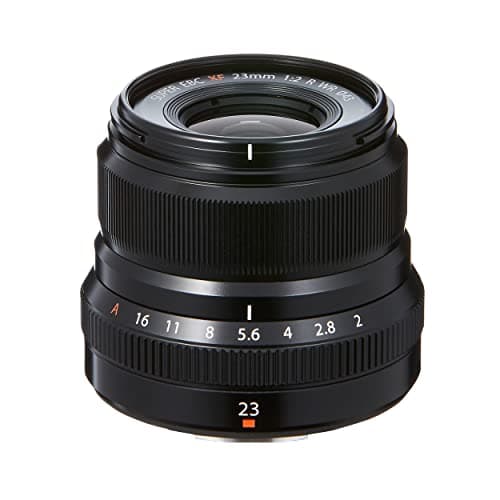
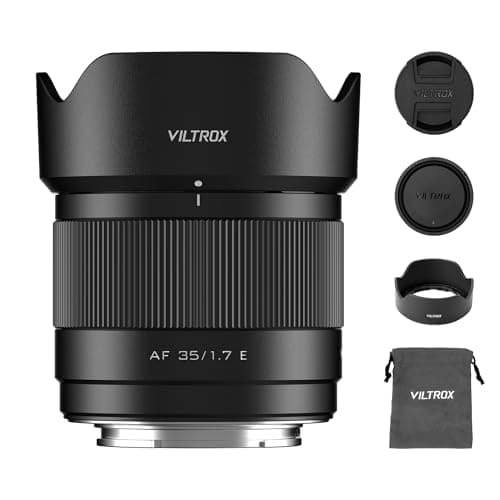
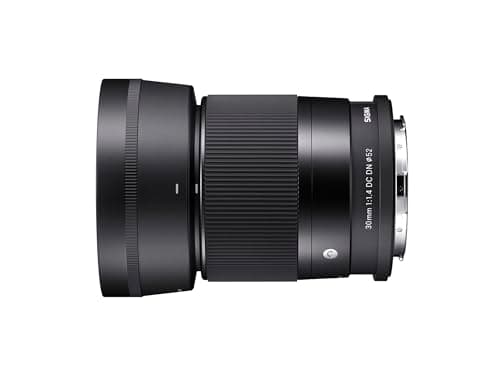
For most people the best street photography lens is the Sigma 30mm F1.4 DC DN. On an APS-C body it frames at about 45mm equivalent — close enough to a classic street focal length to work the way street photographers work — and f/1.4 keeps it usable as the light goes. That is the pick for anyone shooting Sony E or Canon RF-S who wants one lens on the camera all day. On Fujifilm, the XF 23mm F2 R WR is the definitive choice: a true 35mm-equivalent view in a weather-resistant metal body. Our budget pick is the Viltrox AF 35mm F1.7 Air, which gets you a fast normal prime for well under $200. Live prices below, each with the date it was read.
Street photography is unusual among genres in that the gear question has a settled answer and it has had one for seventy years. A small, fast prime, usually somewhere between a 28mm and a 50mm equivalent field of view, carried on a camera that does not draw attention. Not a zoom, because zooms are bigger and because the decision of where to stand is the decision you are supposed to be making. Not a telephoto, because distance between you and the subject shows in the picture.
This page ranks lenses for that job on three criteria, in this order: the field of view, which decides how close you have to stand; the size and weight, which decides whether you carry it; and the maximum aperture, which decides whether you can still shoot at dusk and in a shop doorway. Sharpness barely enters it. Every lens here is sharp enough; none of them is why a street photograph works or fails. For the camera half of the decision, see best cameras for street photography.
The five, on what matters for street
| Lens | Mount | Equivalent view | Max aperture | Why it is here |
|---|
| Sigma 30mm F1.4 DC DN | Sony E (APS-C); RF and Z variants exist | About 45mm | f/1.4 | The brightest normal prime at a sane price |
| Fujifilm XF 23mm F2 R WR | Fujifilm X (APS-C) | About 35mm | f/2 | The classic street focal length, weather-resistant |
| Viltrox AF 35mm F1.7 Air | Sony E, Nikon Z, Fujifilm X (APS-C) | About 53mm | f/1.7 | About 170g, and the cheapest here by a distance |
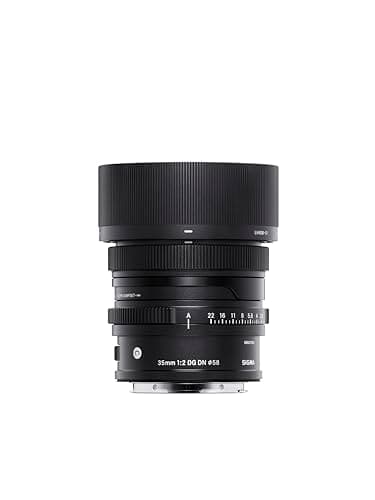
| Sigma 35mm F2 DG DN | Sony E (full frame) | 35mm | f/2 | Metal build and an aperture ring, for full frame |
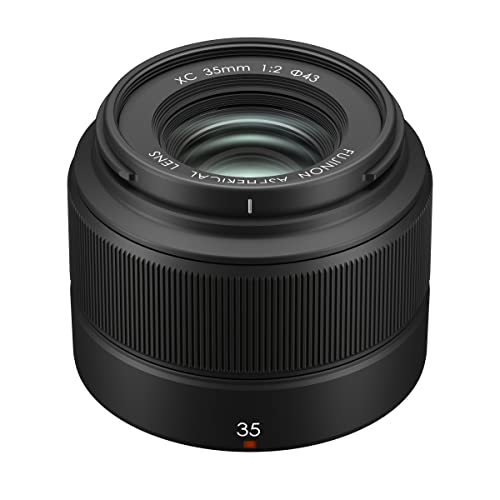
| Fujifilm XC 35mm F2 | Fujifilm X (APS-C) | About 53mm | f/2 | The cheapest route to a normal prime on Fujifilm |
1. Focal length is the whole decision
Two numbers dominate street photography, and the gap between them is bigger than it looks. A 35mm-equivalent view takes in the scene around a subject — the shop front, the other people, the weather — which is why it is the traditional reportage focal length. You have to stand close, often uncomfortably close, and the picture includes context. A 50mm-equivalent view isolates: one subject, less around them, taken from a step or two further back. Neither is correct. But choose deliberately, because the lens decides how you behave, not just how the frame looks. Our crop factor explainer does the equivalent-view math if the numbers are new to you.
2. Size is not vanity, it changes the pictures
A large lens on a small camera does two things to street work. It makes you conspicuous, so people react to the camera and you photograph the reaction rather than the moment. And it makes the kit heavy enough that you stop carrying it, which is the real failure. The Viltrox at about 170g and the Fujifilm XF 23mm in its compact metal barrel are both small enough to be forgettable; the Sigma 30mm is bigger but still properly pocketable on a compact body.
3. Aperture buys you the end of the day
Street photography gets more interesting as the light gets worse — late afternoon, shop windows, rain on pavement, the hour after sunset. That is exactly when a kit zoom at f/5.6 runs out of road and starts handing you blur or noise. An f/1.4 or f/2 prime is two to three stops better, which is the difference between 1/60th and 1/250th of a second at the same ISO: the difference between a smeared walker and a sharp one. If low light is your main interest, cross-read best lenses for low light.
4. Weather resistance, and when it earns its money
The Fujifilm XF 23mm carries a WR designation, meaning it is sealed against moisture and dust. For most people most of the time that is a nice-to-have. For street photography it is more than that, because the best light often arrives with the worst weather, and a sealed lens on a sealed body is the difference between shooting in drizzle and sheltering in a doorway. The sealed bodies worth pairing it with are in best cameras for landscape.
5. Mount notes before you order
The Sigma 30mm F1.4 DC DN exists in Canon RF and Nikon Z versions as well as the Sony E one ranked above, and all three carry their own listings — buy the one that matches your body. The Viltrox 35mm Air is sold for Sony E, Nikon Z and Fujifilm X; we rank all three and price them separately in best lens under $200. Canon RF-S owners have the thinnest choice of the four systems here and should read best Canon RF lenses; Nikon Z DX owners should read best Nikon Z lenses.
What we deliberately left out
Zooms, including the ones we rank highly elsewhere. A constant-f/2.8 standard zoom is a better all-round lens than anything on this page and a worse street lens, because it is larger, slower and removes the constraint that makes the genre work. Also left out: telephotos, which photograph people from a distance and look like they were photographed from a distance. And ultra-wides, which are brilliant for interiors and unflattering within a meter of a face — those live in best wide-angle lenses.