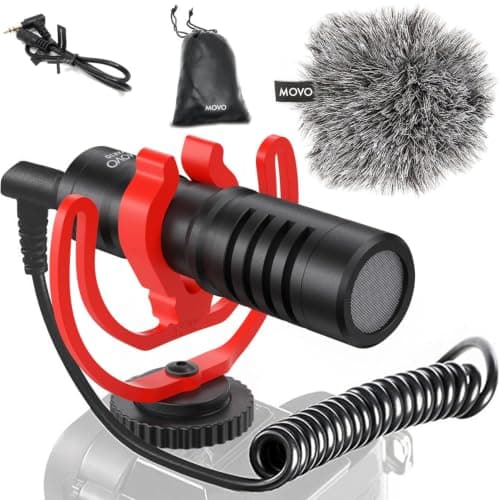
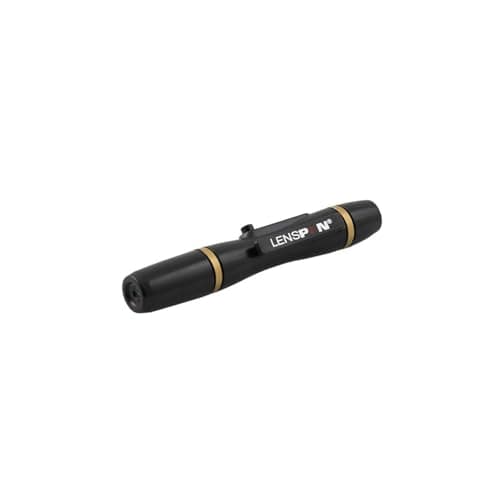
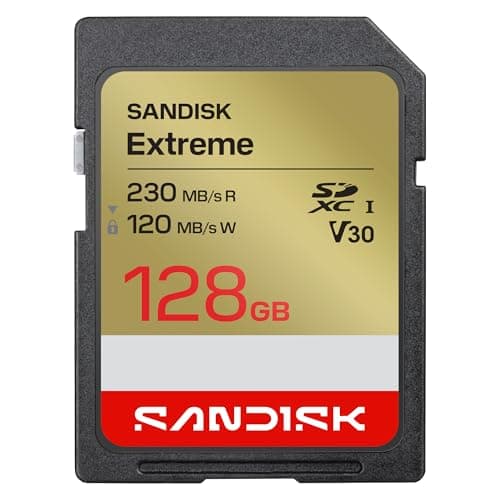
If you buy one camera accessory under $50, buy the SanDisk Extreme SDXC (V30). It is the only thing on this page a camera literally cannot work without, and its V30 rating is the difference between 4K that records and 4K that stops mid-clip. That is the pick for anyone who has just bought a body and has not thought about the card yet. If sound is your weak point instead, the Movo VXR10 is the cheapest real microphone made. Our budget pick is the LensPen NLP-1 — the cheapest item here, and the one that stops a fingerprint turning every photo hazy. Every price on this page comes from the live price layer with its own date stamp; where we have no verified price, we show none.
Under $50 is where accessory buying goes wrong most often, because the cheap end of a camera shop is mostly padding — lens hoods you already have, filter kits that degrade the glass you just paid for, "starter bundles" built from things nobody uses twice. So this page is deliberately short. Seven items, each drawn from a category we already rank in full, each chosen because it does a job your camera cannot do on its own and keeps doing it for years. Three of the seven cost less than a takeaway pizza.
A note on how to read the ranking. It is not ordered by price, and it is not ordered by how clever each thing is. It is ordered by how much difference the item makes to the pictures you actually end up with, which is why a memory card is first and a cleaning pen is last: the card decides whether the footage exists at all, the pen decides whether it looks slightly soft. Both matter. One matters more.
What each one does, and what it costs you
| Pick | Category | The one spec that matters | The catch |
|---|
| SanDisk Extreme SDXC | Memory card | V30 — a 30MB/s sustained write floor | UHS-I bus, so offloading is slow |
| Movo VXR10 | Microphone | Cardioid shotgun; TRS and TRRS cables in the box | Passive, so a noisy camera preamp adds hiss |
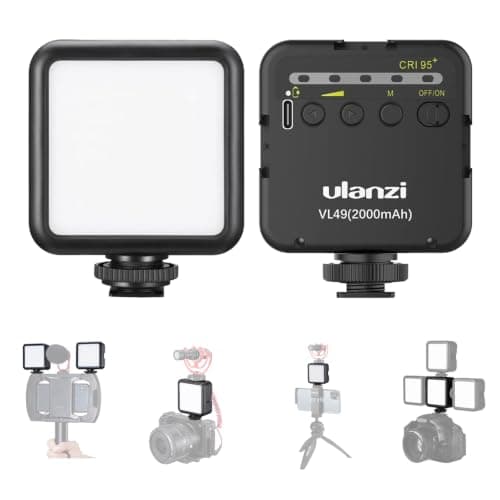
| Ulanzi VL49 | Light | 49-LED 5500K panel, 2000mAh USB-C battery | A fill light, not a key — it will not light a room |
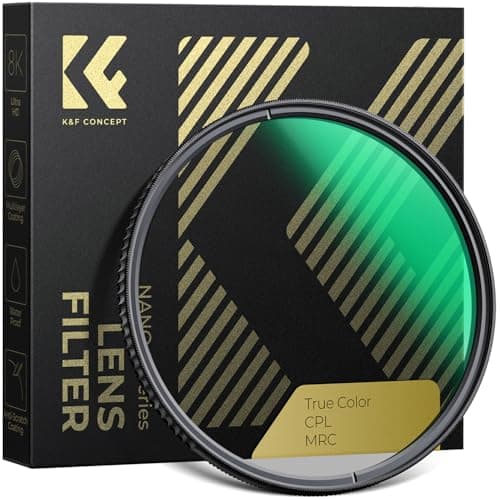
| K&F Concept True Color CPL | Filter | 28-layer coating tuned to hold color neutral | Costs you a stop or two of light |
| Altura Photo sling strap | Strap | Crossbody sling with quick-release and safety tether | Mounts at the tripod socket, so it comes off for a tripod |
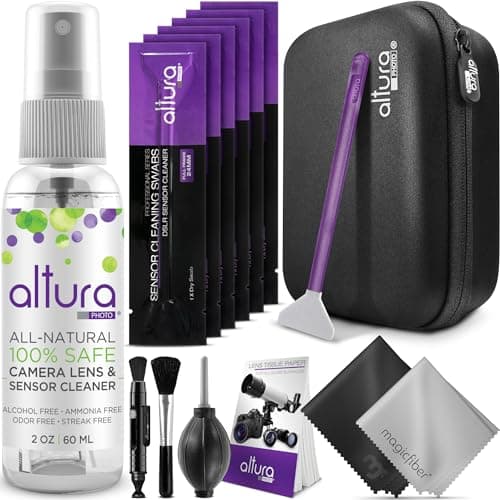
| Altura Photo cleaning kit | Cleaning | Blower, brush, cloths, solution and sensor swabs in one case | The swabs are full-frame width; go carefully on APS-C |
| LensPen NLP-1 | Cleaning | Carbon tip that lifts finger oil without smearing | Lens and viewfinder glass only — never a sensor |
Buy the card first, and buy the right class
The most common beginner mistake in this price band is a cheap, unrated card. A card with no V-rating has no promised sustained write speed, only a peak burst figure, and 4K video is a sustained write — so the recording simply stops when the card falls behind. V30 means a guaranteed 30MB/s floor, which clears standard 4K with room to spare. The speed classes, and what each one is really promising, are unpacked in SD card speed classes explained, and what size SD card do I need does the capacity math.
Sound is the cheapest visible upgrade after the card
Viewers forgive a soft picture and leave over bad sound. A sub-$40 shotgun on the hot shoe removes the two things that make built-in audio sound amateur: the room reverb a built-in mic collects from every direction at once, and the handling noise it picks up straight through the camera body. The Movo is passive — it runs on the small plug-in power your camera supplies, with no battery to charge — which is also why it hisses on a noisy preamp. If you can stretch past this page, the step up is real: see best shotgun microphones and the best camera accessories under $100, where a wireless kit becomes affordable.
What a polarizer does that editing cannot
A circular polarizer is the one filter whose effect you cannot recreate in software, because it works on light before the sensor ever sees it: it cuts the glare bouncing off water, glass, leaves and wet roads, which deepens a sky and saturates foliage in a way a slider only imitates. The cheap-polarizer trap is a color cast — bargain glass tints everything warm or magenta — which is exactly what the K&F True Color coating exists to avoid. Full context in camera lens filters explained, and the ranked field in best CPL filters.
Two cleaning tools, and the rule that separates them
The LensPen and the Altura kit are both here because they solve different problems. The pen is for marks on lens and viewfinder glass; the kit is for dust, and it includes swabs for a sensor. The rule that matters: a tool designed for a lens must never touch a sensor. Lens coatings tolerate gentle contact, a sensor stack does not, and the carbon compound on a LensPen is the wrong material for it entirely. The whole sequence, in order, is in how to clean a camera lens and how to clean a camera sensor.
What we left off, and why
A blower is the first tool in every cleaning sequence we publish, and the one we rank first on best camera cleaning kits has had no buyable offer at our recent price checks — so it is not ranked here. The Altura kit includes one, which is part of why it earns a place. We also left out lens hoods (most lenses ship with one), UV filters (they protect against nothing a lens cap does not, while adding two more air-glass surfaces for flare to bounce around in), and off-brand spare batteries, which we do not rank at all: it is the one accessory category where the cheap option has a genuine safety cost.
If this is a present rather than your own kit
Most of this page works as a gift too, but the framing is different — a gifter needs to know what fits a camera they have never held. Our gifts for photographers under $50 covers the same price band with the compatibility checks a gift needs, and gifts for beginner photographers goes further up the budget.