Skip to content
Focal & Frame

Kit · Accessories

The Best Lighting for Video

The upgrade that makes cheap cameras look expensive. Five lights ranked from a bright studio key to a pocket RGB accent, on output, color accuracy and control.

By Stephen V.Updated Published How we research
#ad

We earn a commission when you buy through our Amazon links, at no extra cost to you. It never decides our rankings — we say so when the cheaper pick is the better buy. How this works.

For most creators the Godox SL60IID is the best first light: a bright daylight COB on a universal Bowens mount, so it takes any softbox and lights a face or a set cleanly. If you want warm-to-cool control and better color accuracy, the Aputure amaran 100x S is the step up. The rest of this list covers panels and pocket lights for when you need something smaller.

Good light is the cheapest way to make an inexpensive camera look expensive. More than sensor size or lens, controlled lighting is what separates footage that looks "produced" from footage that looks like a webcam — it shapes a face, lifts a subject off the background, and lets the camera shoot at its cleanest, brightest settings instead of straining in the dark. You don't need a studio full of gear; one good key light does most of the work. This guide ranks lights by the job they do, from a proper studio key to a pocket accent, and explains the specs — output, color accuracy and control — that actually decide the look.

The short answer

Quick picks

#ProductBest forScorePrice
01
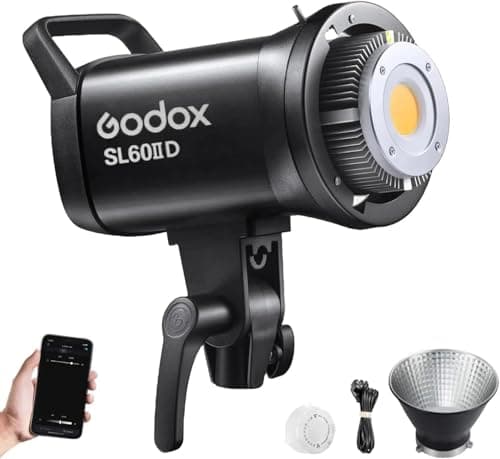
Godox SL60IID

The classic first studio light, a generation on. A 70W daylight COB on a universal Bowens mount, now with published CRI 96 color, app control and a quieter fan than the SL60W it replaced.

The best first studio key light
8.0
Check price →
02
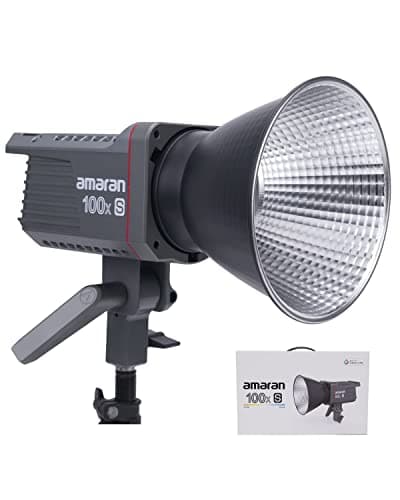
Aputure Aputure amaran 100x S
Aputure amaran 100x S

The step-up key light. More power than the Godox, warm-to-cool bicolor control, app control and built-in effects — with Aputure's excellent, true-to-life color accuracy.

The best bicolor key light
8.2
$199.00Amazon
03
Neewer Neewer 13in LED Panel Kit (2-Pack)
Neewer 13in LED Panel Kit (2-Pack)

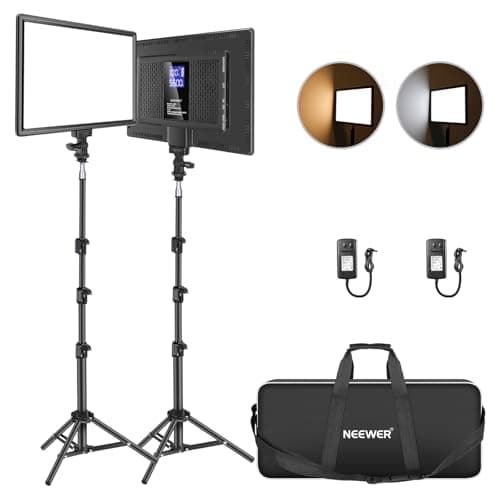
The do-it-all lighting kit. Two bicolor panels with stands and built-in batteries — enough to set up a key-and-fill in minutes, indoors or out, straight from one box.

The best two-light starter kit
7.8
$149.99Amazon
04
Aputure Amaran MC

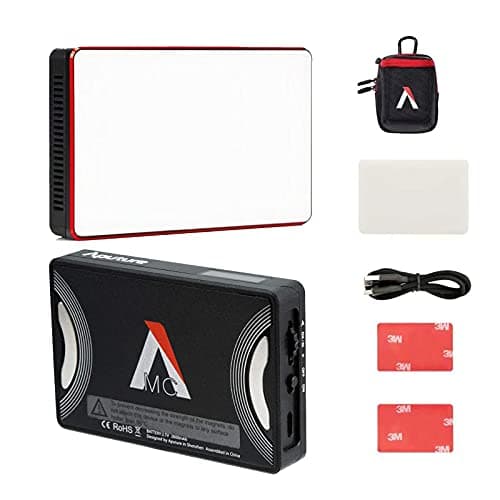
The pocket problem-solver. A palm-sized RGB light that adds a pop of color, a catchlight or a hair light anywhere, charges over USB-C and sticks to metal with a magnet.

The best pocket RGB accent light
8.2
Check price →
05
Ulanzi Ulanzi VL49 On-Camera Light
Ulanzi VL49 On-Camera Light

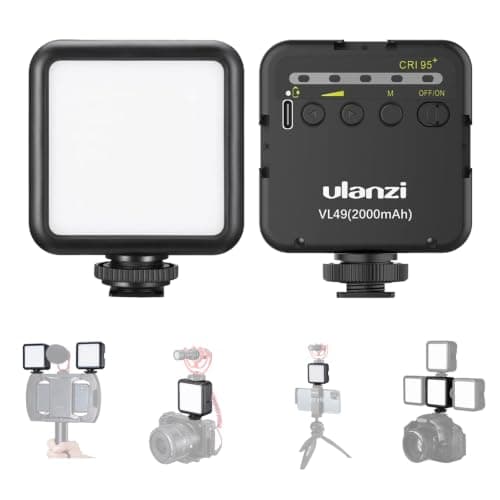
The cheapest useful light. A tiny daylight panel that clips to the hot shoe for a bit of fill on faces and products, for pocket-money price.

The cheapest on-camera fill
7.2
$15.94Amazon

#ad · Live prices from the Amazon Product API, as of Sep 4, 2026. Where we have no verified live price, we show none — we would rather leave a gap than print a number that has rotted.

In detail

The picks, in full

01

The best first studio key light

Godox SL60IID

70W daylight COB (5600K ±200K)18,600 lux at 1mCRI 96 / TLCI 97Bowens mount + Bluetooth app control
8.0/10

The classic first studio light, a generation on. A 70W daylight COB on a universal Bowens mount, now with published CRI 96 color, app control and a quieter fan than the SL60W it replaced.

Output
9
Color quality
9
Control
9
Portability
5
Value
8

Pros

  • Real output for a home studio — far brighter than any on-camera panel, enough to light a face or a set cleanly
  • Published CRI 96 / TLCI 97 color accuracy is the clearest gain over the older SL60W, and it is the spec that keeps skin tones honest
  • The universal Bowens mount opens up cheap softboxes, umbrellas and grids, with Bluetooth app control and eight built-in effects included

Cons

  • Single-color daylight only — no warm-to-cool bicolor control and no RGB
  • Needs mains power, a stand and ideally a modifier to look its best, so it is a fixed rather than portable tool

Don't buy this if…

you want on-camera portability or adjustable color temperature. A pocket light like the Amaran MC or Ulanzi VL49, or a bicolor panel kit, travels far better.

Check price on Amazon →

We don't have a verified live price for this right now, so we aren't showing one.

#ad · we may earn a commission from this link to Godox SL60IID

02
Aputure Aputure amaran 100x S

The best bicolor key light

Aputure amaran 100x S

100W bicolor COB (2700-6500K)Bowens mountBluetooth app + 9 lighting effectsUltra-quiet fan, high CRI/TLCI
8.2/10

The step-up key light. More power than the Godox, warm-to-cool bicolor control, app control and built-in effects — with Aputure's excellent, true-to-life color accuracy.

Output
9
Color quality
10
Control
9
Portability
5
Value
8

Pros

  • Strong 100W output with full bicolor control, so you match warm rooms or cool daylight without gels
  • High measured color accuracy keeps skin tones natural — a real step up for interviews and portraits
  • Bluetooth app control and built-in effects (fire, TV, lightning) add production value on tap

Cons

  • Pricier than a single-color COB like the Godox
  • Still a mains-powered studio light, not something you clip on the camera

Don't buy this if…

you only need a simple daylight key or want to spend the least. The Godox SL60IID covers the basics for less money.

$199.00View on Amazon

Price as of Sep 4, 2026. Prices change — Amazon's is the one that counts.

#ad · we may earn a commission from this link to Aputure amaran 100x S

03
Neewer Neewer 13in LED Panel Kit (2-Pack)

The best two-light starter kit

Neewer 13in LED Panel Kit (2-Pack)

Two bicolor panels + light stands3200-5600K, high CRIBuilt-in 4000mAh batteriesApp + on-panel control
7.8/10

The do-it-all lighting kit. Two bicolor panels with stands and built-in batteries — enough to set up a key-and-fill in minutes, indoors or out, straight from one box.

Output
7
Color quality
8
Control
8
Portability
7
Value
9

Pros

  • Two lights plus stands in one box makes a proper key-and-fill setup affordable from day one
  • Bicolor and fully dimmable, so you can match any room's color and brightness
  • Built-in batteries let you shoot on location away from wall power

Cons

  • Flat panels give soft, even light but less punch than a COB with a softbox
  • The plastic panels and stands are functional rather than sturdy

Don't buy this if…

you want maximum output and modifier flexibility for a fixed studio. A COB like the Godox or Aputure with a softbox hits harder and shapes light better.

$149.99View on Amazon

$169.9912% off

Price as of Sep 4, 2026. Prices change — Amazon's is the one that counts.

#ad · we may earn a commission from this link to Neewer 13in LED Panel Kit (2-Pack)

04

The best pocket RGB accent light

Aputure Amaran MC

Pocket RGBWW LED (3200-6500K + full color)USB-C rechargeableApp + built-in effectsMagnetic back, palm-sized
8.2/10

The pocket problem-solver. A palm-sized RGB light that adds a pop of color, a catchlight or a hair light anywhere, charges over USB-C and sticks to metal with a magnet.

Output
5
Color quality
9
Control
9
Portability
10
Value
8

Pros

  • Full RGB plus tunable white in something that genuinely fits a pocket
  • The magnetic back and app control make creative color accents and catchlights effortless
  • USB-C rechargeable, so there are no spare batteries to buy or carry

Cons

  • Low output on its own — it is an accent or fill light, not a key for a whole scene
  • You will want two or three of them for bigger setups

Don't buy this if…

you need a main key light to properly light a face or product. Pair it with, or choose, a COB like the Godox SL60IID or Aputure 100x S.

Check price on Amazon →

We don't have a verified live price for this right now, so we aren't showing one.

#ad · we may earn a commission from this link to Aputure Amaran MC

05
Ulanzi Ulanzi VL49 On-Camera Light

The cheapest on-camera fill

Ulanzi VL49 On-Camera Light

49-LED on-camera panel (5500K)Built-in 2000mAh battery (USB-C)Cold-shoe + 1/4in mountsPocket-size
7.2/10

The cheapest useful light. A tiny daylight panel that clips to the hot shoe for a bit of fill on faces and products, for pocket-money price.

Output
4
Color quality
6
Control
6
Portability
10
Value
10

Pros

  • Costs almost nothing yet visibly lifts shadows on close subjects and adds a catchlight
  • Small and light enough to live permanently in any camera bag
  • Rechargeable over USB-C, so no disposable batteries

Cons

  • Single-color daylight and modest output — it is a fill, not a key
  • Simple build and basic stepless dimming

Don't buy this if…

you need real output, color control, or to light a whole scene. Even a single COB or a bicolor panel is a large step up.

$15.94View on Amazon

$19.9520% off

Price as of Sep 4, 2026. Prices change — Amazon's is the one that counts.

#ad · we may earn a commission from this link to Ulanzi VL49 On-Camera Light

How to choose a video light

1. What job is the light doing? Key, fill, or accent

Start here, because it decides everything else. A key light is your main source, the one that actually lights your face or subject — it needs real output, and a COB (chip-on-board) light like the Godox SL60IID or Aputure 100x S is the right tool. A fill softens the shadows the key creates and can be a second, gentler light or a reflector; a panel kit like the Neewer covers key-and-fill in one box. An accent adds a pop of color or a highlight — a hair light, a background glow, a catchlight in the eyes — and that is where a pocket RGB like the Amaran MC or a tiny on-camera panel like the Ulanzi VL49 shines. Buy the light for the job; a pocket light will never key a whole scene, and a big COB is overkill for a splash of color.

2. COB vs panel — hard-hitting vs soft and even

A COB is a single powerful point source. On its own it is harsh, but paired with a softbox or umbrella (via its Bowens mount) it becomes a big, flattering source with real punch and reach — the studio standard. A panel is a flat grid of LEDs that gives soft, even light straight out of the box with no modifier, and often runs on batteries for location work. COBs shape light better and hit harder; panels are simpler, more portable and great as a two-light kit. Pick COB for a fixed setup where quality matters, panels for grab-and-go flexibility.

3. Color accuracy — the spec that protects skin tones

Cheap lights can render color badly, leaving skin looking green or sickly in a way that is hard to fix later. The measure is CRI (or TLCI), a 0-100 score of how faithfully a light shows color; aim for the mid-90s or higher for anything with a face in it. Aputure's amaran lights are known for genuinely high, honest color accuracy, which is a real reason to pay more for the 100x S over a bargain light. If a light doesn't publish a CRI figure, treat that as a warning.

4. Color temperature and control — daylight, bicolor or full RGB

  • Single-color (daylight): the Godox SL60IID outputs a fixed ~5600K daylight. Simple and bright, but you gel it or match your other lights to change the color.
  • Bicolor: the Aputure 100x S and Neewer panels tune from warm (~2700-3200K) to cool daylight (~5600K), so you match a lamp-lit room or midday window without gels.
  • Full RGB: the Amaran MC adds any color plus effects, for creative accents and backgrounds rather than lighting a face.

App and remote control, built-in effects (fire, TV flicker, lightning) and a quiet fan all make a light nicer to live with — handy, but secondary to output, color accuracy and the job it does.

5. Power — mains, battery, or USB

COB key lights run on mains power and want a stand, so they suit a fixed corner of a room. Panels with built-in batteries (the Neewer kit) and USB-rechargeable pocket lights (Amaran MC, Ulanzi VL49) go anywhere. If you shoot on location or travel, weigh portability as heavily as raw output.

Light works with the rest of the kit: a camera set up for a desk, a clean wireless mic and a steady tripod complete a home studio. The beginner camera kit guide shows where lighting fits in the budget.

How we picked

We do not run a testing lab

We compiled the manufacturers' published specifications and manuals, did the cost math, and scored each product against a published rubric. The scores are judgments from that documented research — they are notmeasurements we took, because we do not have a lab and we are not going to pretend we do. Where a number came from someone else's testing, we name and link them in Sources.

Questions

Frequently asked

What is the best video light for a beginner in 2026?
For most creators, the Godox SL60IID — a bright daylight COB on a universal Bowens mount, so it lights a face cleanly and works with any softbox. If you want warm-to-cool color control and higher color accuracy for interviews and portraits, the Aputure amaran 100x S is the step up. For accents and travel, a pocket light like the Amaran MC is the pick.
Do I need a COB light or an LED panel?
A COB is a powerful point source that, with a softbox, becomes a big flattering key light with real punch — best for a fixed studio setup. A panel gives soft, even light straight out of the box and often runs on batteries, which is simpler and more portable. Choose a COB for quality and control, a panel for grab-and-go flexibility.
What is CRI, and what number should I look for?
CRI (Color Rendering Index) scores how faithfully a light reproduces color, from 0 to 100. For anything with a face in the shot, aim for the mid-90s or higher, or skin tones can look off in a way that's hard to fix later. Aputure's amaran lights are known for genuinely high color accuracy; if a light doesn't publish a CRI figure at all, be cautious.
How many lights do I need to start?
One good key light does most of the work — it lights your subject and lets the camera shoot at its cleanest settings. Add a fill (a second gentle light or a reflector) to soften shadows, and an accent later for polish. A two-panel kit like the Neewer is an easy way to get a key-and-fill in one purchase. See the beginner kit guide for how it fits the budget.

Keep reading

Receipts

Sources

We do not run a testing lab, and we do not pretend to. Specs come from manufacturer sheets and manuals; where a figure came from someone else's measurement, we name and link them. Where we could not verify something, we say so on the page rather than quietly leaving it out. Read our full method.