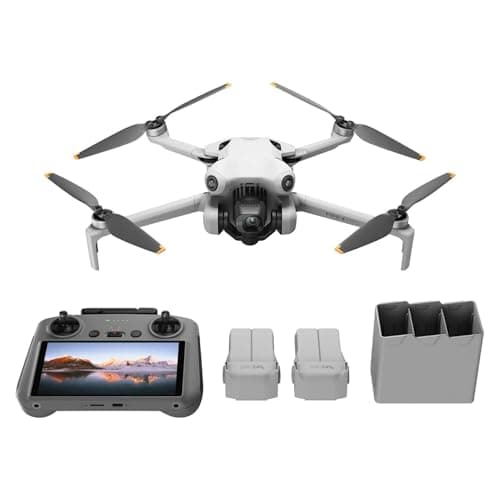
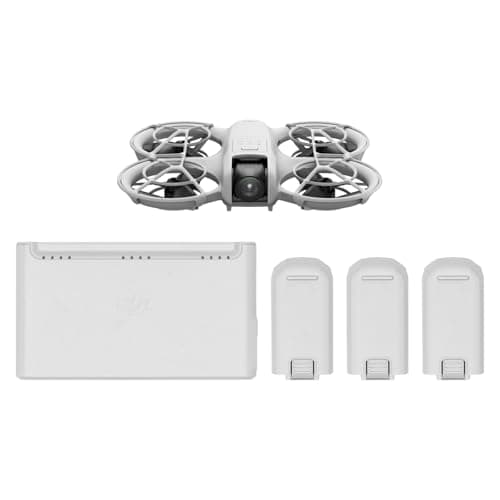
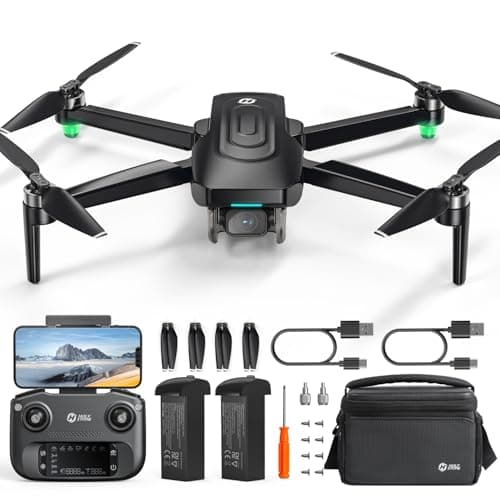
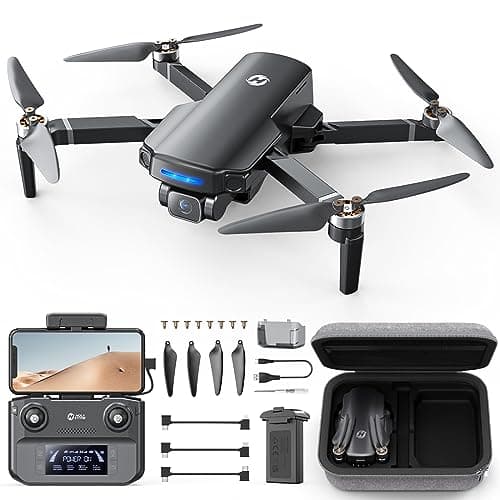
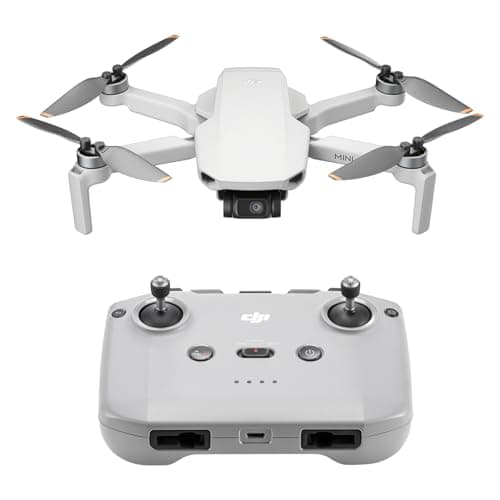
For most people the DJI Mini 4K is the best first photography drone: under 249g, a real 3-axis gimbal for smooth 4K, and DJI's rock-steady flight, at the friendliest price of anything genuinely capable. If you want the best image quality and obstacle avoidance, step up to the DJI Mini 4 Pro. And because DJI's US availability has wobbled at times, we pair the DJI picks with Holy Stone GPS alternatives so you always have an in-stock option.
A drone is the one accessory that gives you a shot you simply cannot get any other way: the view from above. For a photographer or creator it opens up landscapes, travel establishing shots, property and event angles, and sweeping reveals that make a video feel produced. The good news is that the drones worth buying are now small, safe and beginner-friendly — and the smartest of them stay under 250 grams, the weight below which the rules for recreational flyers are lightest in most countries. This guide ranks them on the things that matter in the air: image quality, how stable and easy they are to fly, and honest value.
How to choose a photography drone
1. The 250g line — why weight is the first spec
Before anything else, look at the weight. In the US and many other countries, drones under 250gflown recreationally face the lightest rules — for example, in the US such a drone does not require FAA registration for purely recreational flying, though the basic safety rules and the TRUST test still apply. Every drone in this guide is deliberately a sub-250g model for exactly this reason: it keeps a beginner's life simple and makes the drone trivial to pack and travel with. Rules change and vary by country, so always check the current requirements where you fly — we link the FAA's recreational-flyer page in Sources — but starting under 250g is the path of least friction.
2. Image quality — sensor and gimbal, not megapixels
Two things decide how good aerial footage looks, and neither is the megapixel count. The first is a mechanical 3-axis gimbal: a tiny motorized mount that physically steadies the camera against the drone's movement, producing the smooth, floating look. Cheaper drones fake this with electronic stabilization (cropping and software), which is jerkier and softer — the real dividing line in this list is the gimbaled DJI models versus the electronically-stabilized Holy Stone ones. The second is sensor size: the DJI Mini 4 Pro's larger sensor pulls ahead in dynamic range and dim light, where the smaller sensors give up detail. For pure photography, a gimbal and a bigger sensor matter more than any headline resolution number.
3. How safe and easy is it to fly?
A first drone should be forgiving. Look for GPS (so it holds position and returns home automatically if the signal drops or the battery runs low), and — a real beginner reassurance — obstacle sensing, which the Mini 4 Pro adds all around to stop you flying into trees. The DJI Neo takes ease to an extreme: it launches from your palm, has full propeller guards, and can fly preset moves with no controller at all, which makes it the safest to fly around people and indoors. Match the flying aid to your nerves and your subject.
4. Battery, range and the combo question
Flight times are short — roughly half an hour per battery at best — so the single most useful upgrade is more batteries. A "Fly More" or multi-battery combo that bundles two or three cells and a charging case is almost always better value than buying spares later, and it turns a frustrating single-battery outing into a real shoot. Transmission range matters less than it sounds for photography (you shouldn't fly beyond line of sight anyway), but DJI's long, stable video link makes framing easier.
5. Why we hedge the DJI picks
DJI makes the best small camera drones, and they are our top picks — but, exactly as with gimbals, DJI's availability in the US has been uncertain at times. So we pair them with Holy Stone GPS alternatives that do the core job. A Holy Stone gives up the mechanical gimbal and camera polish, but it keeps GPS return-to-home and brushless motors, so if DJI is hard to buy the week you shop, you still have a working option rather than a dead link.
Match the drone to the flyer
- Best all-round value: DJI Mini 4K.
- Best image quality and safety: DJI Mini 4 Pro.
- Hands-free self-shooting for creators: DJI Neo.
- Best non-DJI GPS drone: Holy Stone HS175G.
- Cheapest capable GPS drone: Holy Stone HS360S.
A drone rounds out a kit that already has a good camera and a fast SD card to hold all that 4K footage. See the beginner camera kit guide for the full picture.